
Market on Edge for FDA Decision on HLB's New Anti-Cancer Drug... Manufacturing Quality is Key
HLB, which has staked its survival on the development of a new anti-cancer drug, has reached a critical watershed ahead of the U.S. Food and Drug Administration
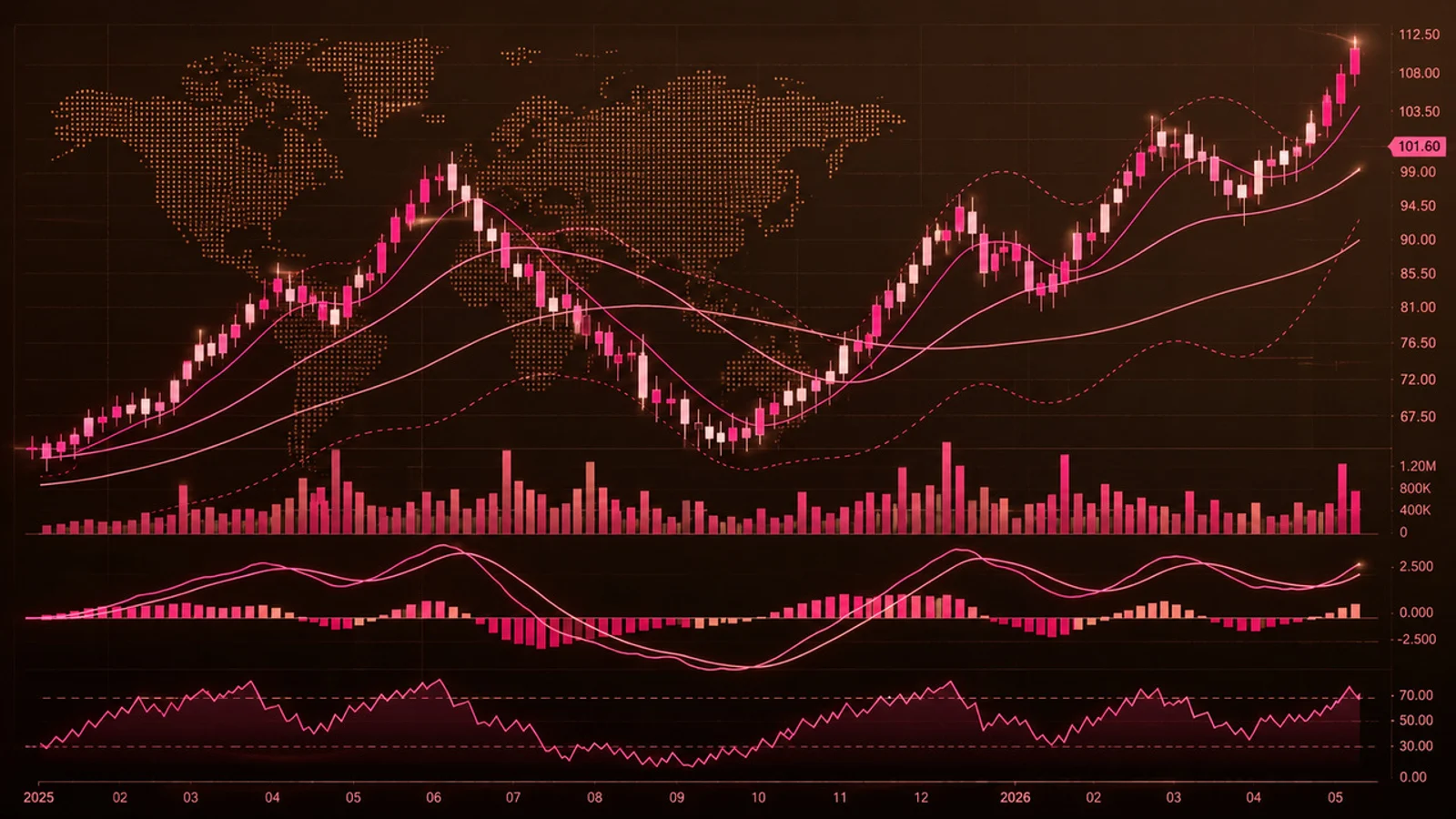
HLB, which has staked its survival on the development of a new anti-cancer drug, has reached a critical watershed ahead of the U.S. Food and Drug Administration's (FDA) final decision. The market views this FDA ruling as a key variable that will gauge HLB's entry into the global market and the future re-evaluation of its corporate value, drawing intense interest from investors.
The biggest focal point of this review is whether the company has improved its Chemistry, Manufacturing, and Controls (CMC) sector, which previously received requests for supplementation. Because the obstacles to approval have historically lain in the manufacturing system and quality control framework rather than the drug's efficacy itself, whether HLB has properly strengthened its related capabilities is considered the key to approval. HLB recently recruited specialized personnel with extensive experience in the biopharmaceutical production sector, enhancing its organizational competitiveness. The company is evaluated to have advanced its manufacturing quality system and further strengthened its capacity to respond to global regulatory agencies.
Expectations for subsequent pipelines following the new drug's approval are also drawing market attention. With schedules in place for additional expansion of indications and the development of new therapeutics, analysts suggest that this approval will not remain a one-off event but could lead to mid- to long-term growth momentum.
Recently, HLB's stock price has experienced expanding volatility as it undergoes a correction from its peak. As the major event of the FDA decision approaches, both shrinking investor sentiment and expectations are being reflected simultaneously. The securities industry believes that the stock's directionality will change significantly depending on the approval outcome. They point out that while a positive result would expand expectations for the new drug's commercialization, if it falls short of expectations, the possibility of further short-term volatility expanding cannot be ruled out.
Experts advise that investors should comprehensively review clinical data, approval progress, and the establishment of a production system, rather than relying on mere expectations. Given the nature of the biotech sector, where a single event has an absolute impact on corporate value, thorough risk management is essential.
Meanwhile, the market is showing a trend of expanding interest not only in traditional new drug development companies like HLB, but also in new drug development platform companies utilizing artificial intelligence (AI) and next-generation biotech firms. As AI technology, which enhances the efficiency of new drug development, emerges as a new growth axis for the entire pharmaceutical and biotech industry, attention is also focusing on the business expansion possibilities of related companies.
[This article was written based on publicly available market data and general financial information, and artificial intelligence (AI) technology was utilized during the writing process to assist with organizing information and drafting. The information provided in this article is intended for general investment information purposes and does not constitute a solicitation to invest in specific stocks or financial products. Investing in the stock and financial markets carries the risk of principal loss, and all responsibility for investments lies solely with the investor. Please be sure to check relevant disclosures and official materials before making investment decisions. This publication does not bear legal or financial responsibility for the information provided.]
CBC Globe publishes verified stories with editorial review, source checks, and tenant-specific publication standards.
Related Articles

Samsung Electro-Mechanics Stock Price 'Catches its Breath'... Correction Phase Draws Attention as AI Server & MLCC Benefits Await

Earned Income Tax Credit Application Deadline Nears: From Potential Changes in Receipt Amounts to the NTS Payment Schedule