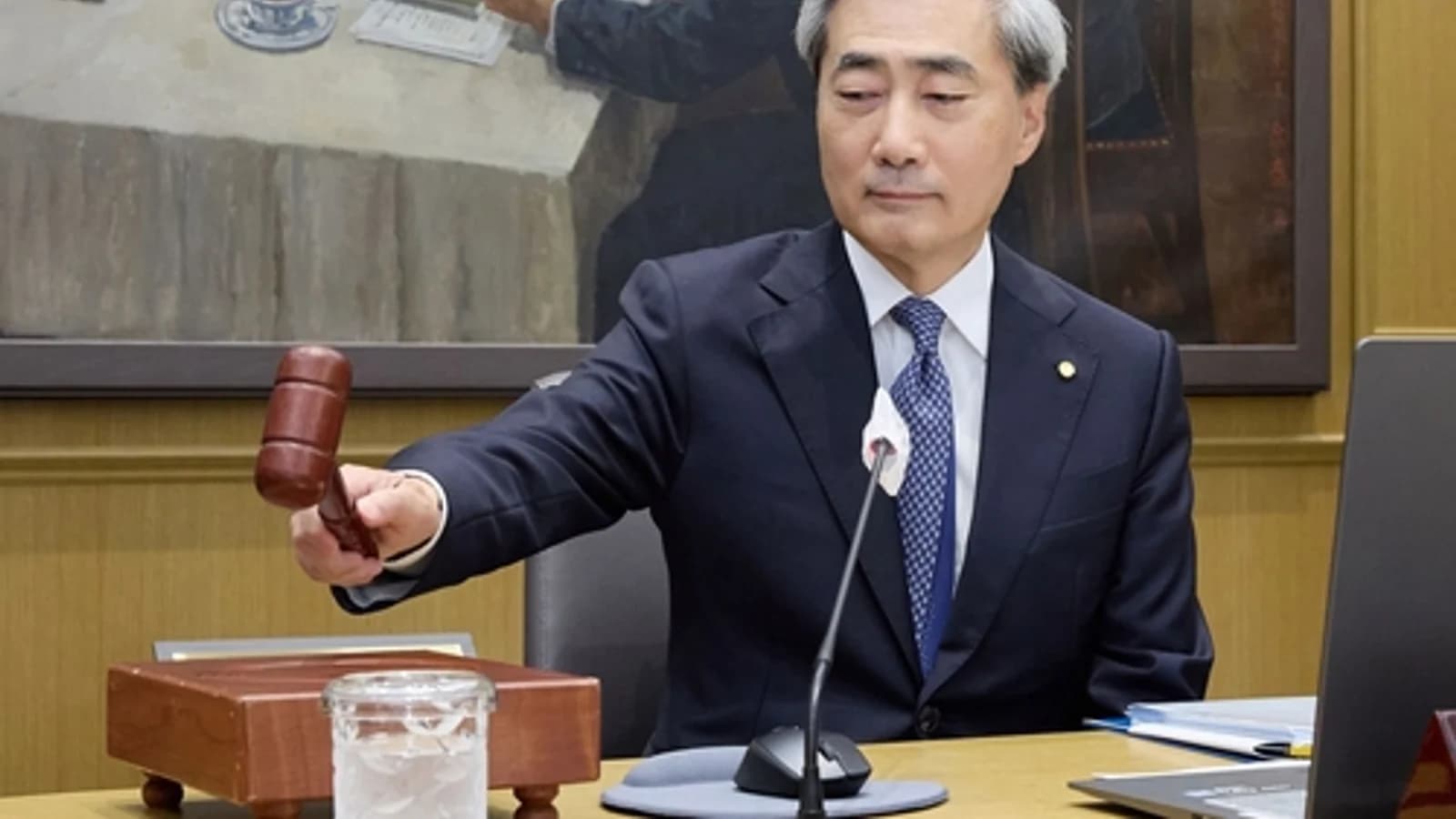
Debts Remain Even After Closing... How to Escape the 'Shadow' of Small Business Loans in the High-Interest Era
[CBC News] Among self-employed individuals closing their businesses, a common sentiment has emerged these days. They lament, "I closed the shop, but loan paymen
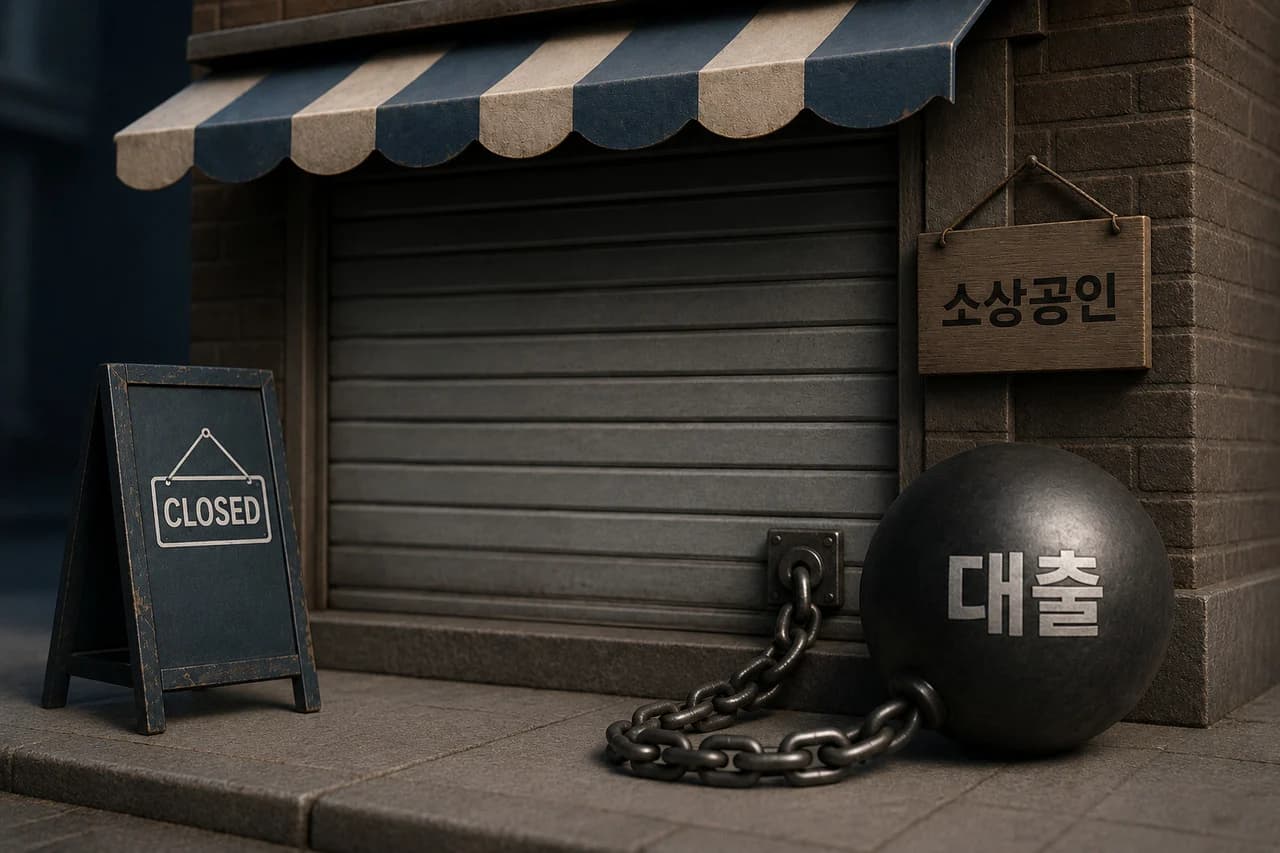
[CBC News] Among self-employed individuals closing their businesses, a common sentiment has emerged these days. They lament, "I closed the shop, but loan payments are still being deducted from my bank account." This voice is clearly reflected in recently announced economic indicators and field surveys. A significant number of self-employed individuals who have wrapped up their businesses are still burdened with loan balances and delinquencies, with the largest number of respondents identifying "repaying debt" as the most difficult part of the closure process. In other words, even if one decides to close their business due to hardship, the real problems begin at that moment. Stamping the business closure form does not make loans disappear. In fact, survey results showing that the most common response was struggling to cover living expenses after shutting down a business demonstrate that the failure of a self-employed venture becomes an issue that shakes a person's entire life. ■ Triple Hardship of High Interest Rates, High Prices, and High Exchange Rates... Funding Lines Shifting to Non-Bank Financial Sectors The triple hardship of high interest rates, high inflation, and a high exchange rate over the past few years has made the financial situation for self-employed individuals even tighter. The total loan scale for self-employed workers has swelled to its highest level since statistics were first compiled, and unpaid amounts are on the rise again. Notably, an increasing number of self-employed individuals are turning to savings banks and mutual financial institutions, which have lower barriers to entry compared to commercial banks. The shift of funding lines to institutions that offer relatively easier approval but carry heavier interest burdens serves as proof of how dire their circumstances have become. In this climate, those looking to secure business funding need to approach the process far more cautiously than before. It is a time that demands an attitude of first assessing whether repayment is feasible down the road, rather than rushing to borrow immediate funds. In times like these, establishing certain criteria when selecting small business loans can be helpful. ■ How Should Small Business Loans Be Chosen? The first aspect to examine is which financial sector to utilize. Commercial banks offer relatively low interest rates but strictly scrutinize sales verification and collateral conditions. Conversely, savings banks and mutual financial institutions have simpler approval processes but charge higher interest. Rather than rushing toward low-barrier options without reviewing the terms due to the urgency of approval, it is essential to compare the small business loan conditions across multiple financial institutions side by side. Second is aligning repayment methods with the sales flow of the specific industry. For businesses where sales fluctuate significantly depending on the season or period, loans requiring fixed monthly repayments can become a stumbling block. A practical approach is to calculate the financial conditions for peak and off-peak seasons in advance and seek out small business loans that allow repayment schedules to be adjusted accordingly. Third is clearly categorizing the purpose of the borrowed funds. Money needed for store operations and funds for interior design or equipment purchases have different characteristics. Borrowing lump sums without distinguishing these purposes can easily lead to confusion later in loan management and tax processing. The ideal sequence is to organize exactly how much money is needed and where, before applying for a small business loan. ■ The Key Is Reviewing Before Delinquency Occurs Ultimately, the key is to assess the situation before delinquencies begin. Once repayments start falling behind, available options shrink drastically, and recent data clearly shows that in the worst cases, debts remain even after closing the business. The most reliable way for self-employed individuals to protect themselves is to coldly calculate a manageable repayment range from the moment they start their business and cultivate the habit of operating within those financial bounds. [This article was written with AI assistance. It is based on currently available information, and readers are advised to verify the facts once more.]
CBC Globe publishes verified stories with editorial review, source checks, and tenant-specific publication standards.
Related Articles

Kim Da-hyun Releases 4th Full-Length Album 'Emoticon'… Sincerity Conveyed to Fans Through Self-Written Song 'Under the Tree'

Hanroro Takes First Official Stage in Japan at Summer Sonic 2026, Betting on Live Performances of Seven Self-Written Songs
NVIDIA to Deploy Additional 2 Million GPUs on AWS... Will Samsung Electronics and SK Hynix Benefit from HBM?