
Tax & Financial News and Korean Association for Public Policy Launch 'Tax Policy Communication Platform'… NTS: "Innovating Toward Tax Audits That Reduce Corporate Burden"
On the 8th, Tax & Financial News and the Korean Association for Public Policy signed a memorandum of understanding (MOU) for academic cooperation and held the '
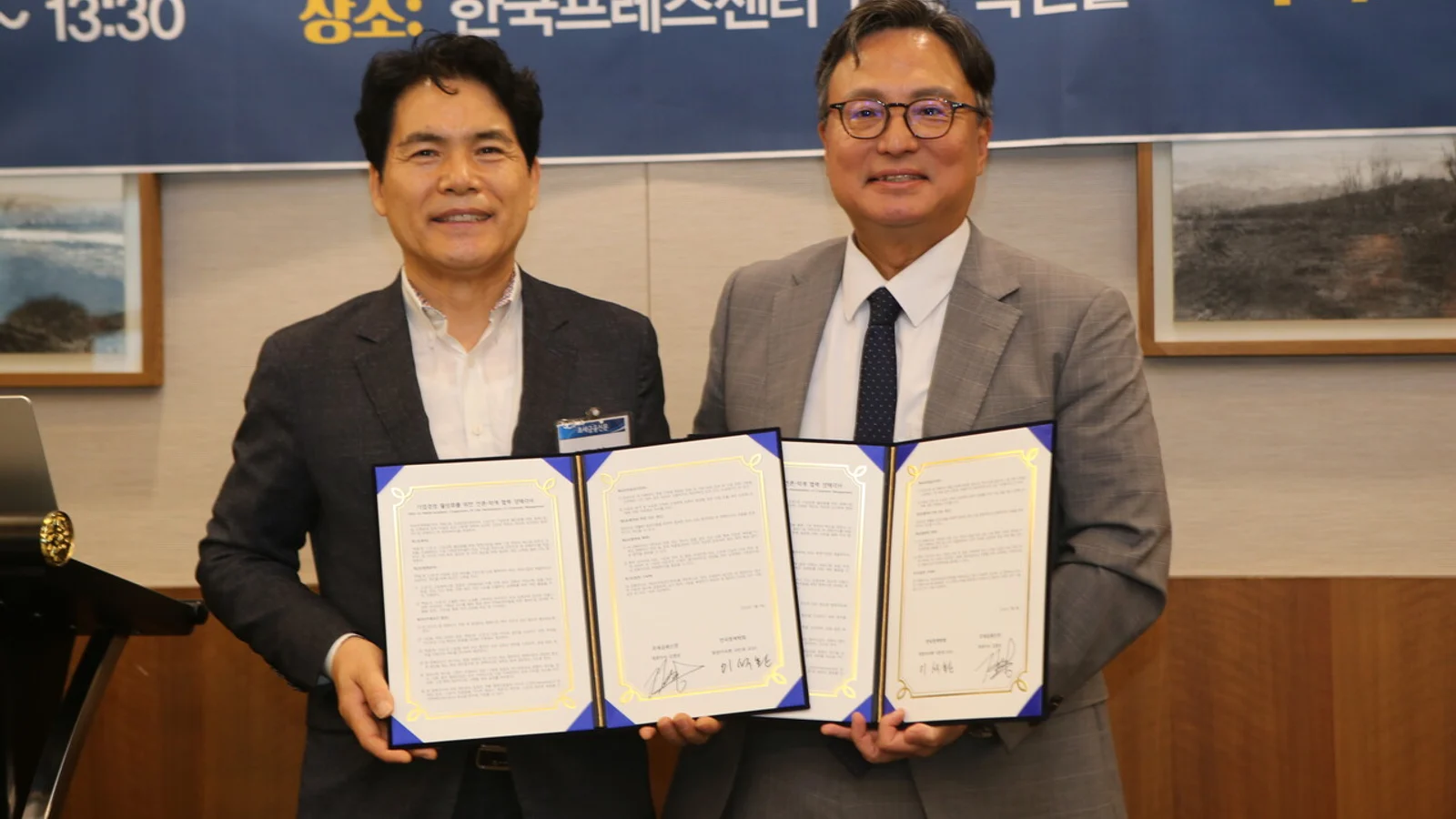
On the 8th, Tax & Financial News and the Korean Association for Public Policy signed a memorandum of understanding (MOU) for academic cooperation and held the '1st Tax Policy TF Colloquium' at the Korea Press Center in Jung-gu, Seoul. This event was organized with the goal of establishing a 'policy communication platform' where the government, businesses, and academia can jointly discuss tax policies and reflect on-site opinions in institutional improvements.
Attending the event were 33 individuals, including Kim Jong-sang, CEO of Tax & Financial News; Lee Seok-hwan, President of the Korean Association for Public Policy; Park Sang-joon, Director of the Audit Planning Division at the National Tax Service (NTS); Shin Jae-bong, Director of the Corporate Tax Division at the NTS; and finance and tax executives from major companies. Through this agreement, the two institutions plan to pursue joint research in the tax and fiscal fields, host policy seminars and forums, and develop field-centered policy content, thereby building an effective cooperation system that links government policy with corporate operations.
During the subsequent '1st Tax Policy TF Colloquium,' the NTS's audit innovation policies and on-site corporate challenges were shared. Park Sang-joon, Director of the Audit Planning Division, explained that the tax audit method is being shifted in a direction that reduces the burden on companies. Director Park stated, "In the past, audit teams often stayed at companies for long periods, but recently we are minimizing on-site residency audits depending on the degree of taxpayer cooperation," adding, "About 88% of the audited companies positively evaluated the shortening of the audit period."
In particular, the 'Regular Tax Audit Period Selection System,' which has been in effect since April of this year, was introduced in detail. After receiving a tax audit notice, companies can select their preferred audit timing by considering major management schedules such as year-end closing, external audits, and large-scale investments, and the NTS confirms the schedule by reflecting this as much as possible. Director Park emphasized, "The core of this system is to maintain the effectiveness of tax audits while maximally guaranteeing the normal business activities of companies."
The NTS also stated that it focuses on inspecting private use of corporate credit cards, omission of sales reporting, unreasonable arbitrary waiver of accounts receivable, booking of fictitious labor costs, unjust tax deductions for research and human resource development expenses, omission in calculating deemed interest on advances, and current-period expensing of expenditures subject to capitalization, during the audit process. In the value-added tax sector, it plans to closely examine the receipt of false tax invoices, errors in distinguishing between taxable and tax-exempt items, and unreported supplies for personal purposes. In particular, it advised that when using corporate credit cards for entertainment expenses, meeting expenses, and travel expenses, the purpose, attendees, and location must be clearly recorded, and in the case of spending at department stores or large supermarkets, materials proving business relevance must be retained.
Following the presentation, a Q&A session continued between corporate finance and tax personnel and NTS officials. Participants presented opinions on operational difficulties of the period selection system, audit schedule adjustments, and document submission methods, and they evaluated that they had created a meaningful communication opportunity by directly exchanging views with NTS field managers.
Kim Jong-sang, CEO of Tax & Financial News, said, "Tax policies gain true effectiveness only when the government and companies communicate together," adding, "We will develop the Tax Policy TF Colloquium into a policy communication platform that reflects on-site opinions in tax administration." Lee Seok-hwan, President of the Korean Association for Public Policy, also stated, "This agreement is a starting point for applying the association's research capabilities and policy expertise to the policy field," and added, "We will build a policy communication platform where the government, companies, and academia participate together to contribute to the development of effective tax policies."
Starting with the 1st TF Colloquium, the two institutions plan to regularize programs involving government policy officials, companies, and academic experts, and to continuously expand them as a private-public-academic cooperation platform for creating a business-friendly tax environment and developing rational tax administration.
CBC Globe publishes verified stories with editorial review, source checks, and tenant-specific publication standards.
Related Articles

First Lineup Revealed for '2026 K World Dream Awards' Celebrating Its 10th Anniversary — ATEEZ, RIIZE, P1Harmony, and More to Take the Stage

BTOB's Lee Minhyuk (HUTA) Stuns in New Single 'TEMPERATURE' Concept Photo… Comeback on July 15
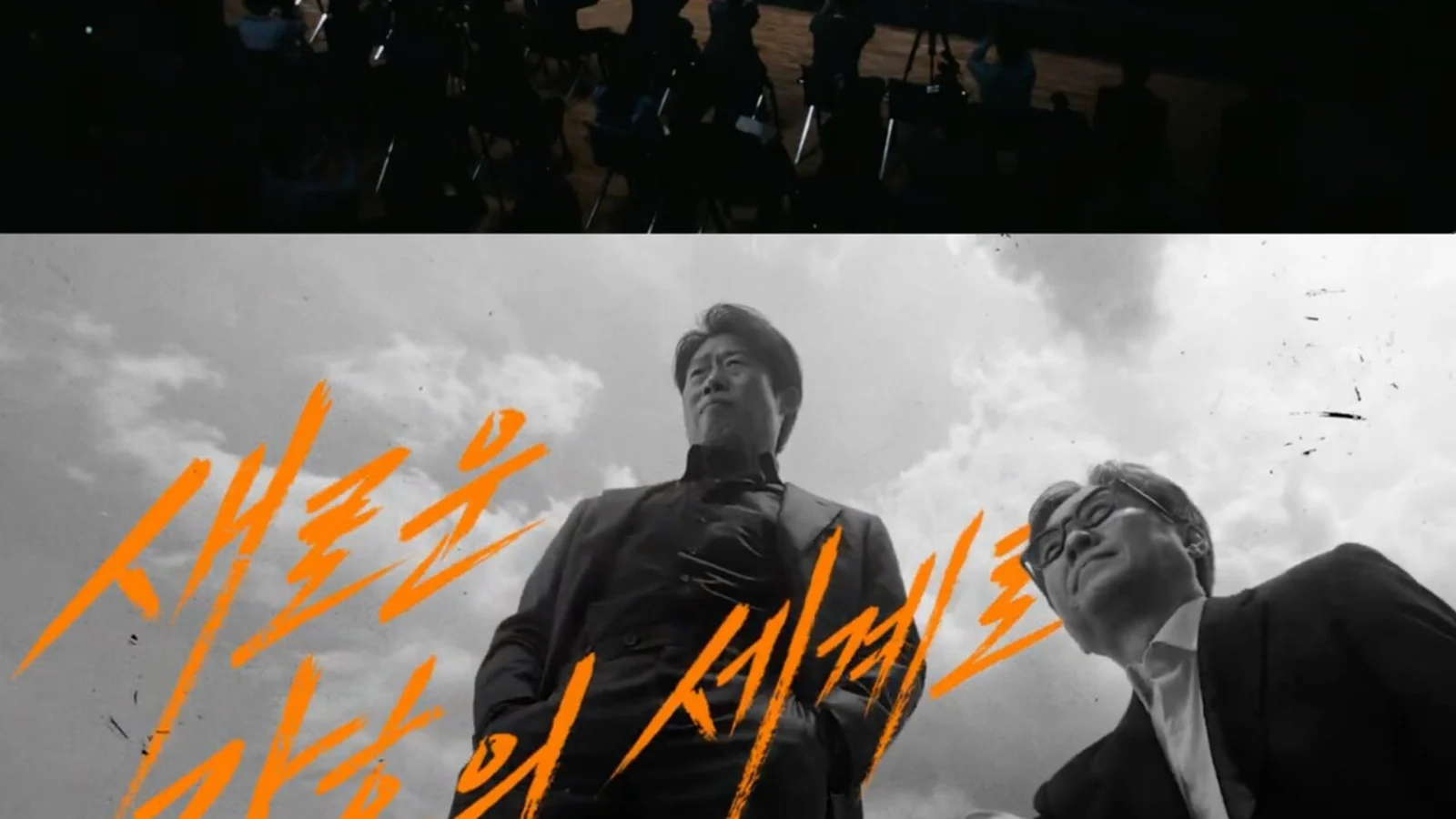
Actor Yoo Hae-jin and Director Jang Hang-joon Selected as Models for 'Yulhyulgangho: NEXT'… Movie Press Conference Concept Twist Video Goes Viral