
Year-End Tax Settlement Tips: From Income Deductions for Sports Facility Fees to Hometown Love Donation Benefits
As the year-end tax settlement season arrives, exercise for health management and regional donations are gaining attention as tax-saving strategies. Following t
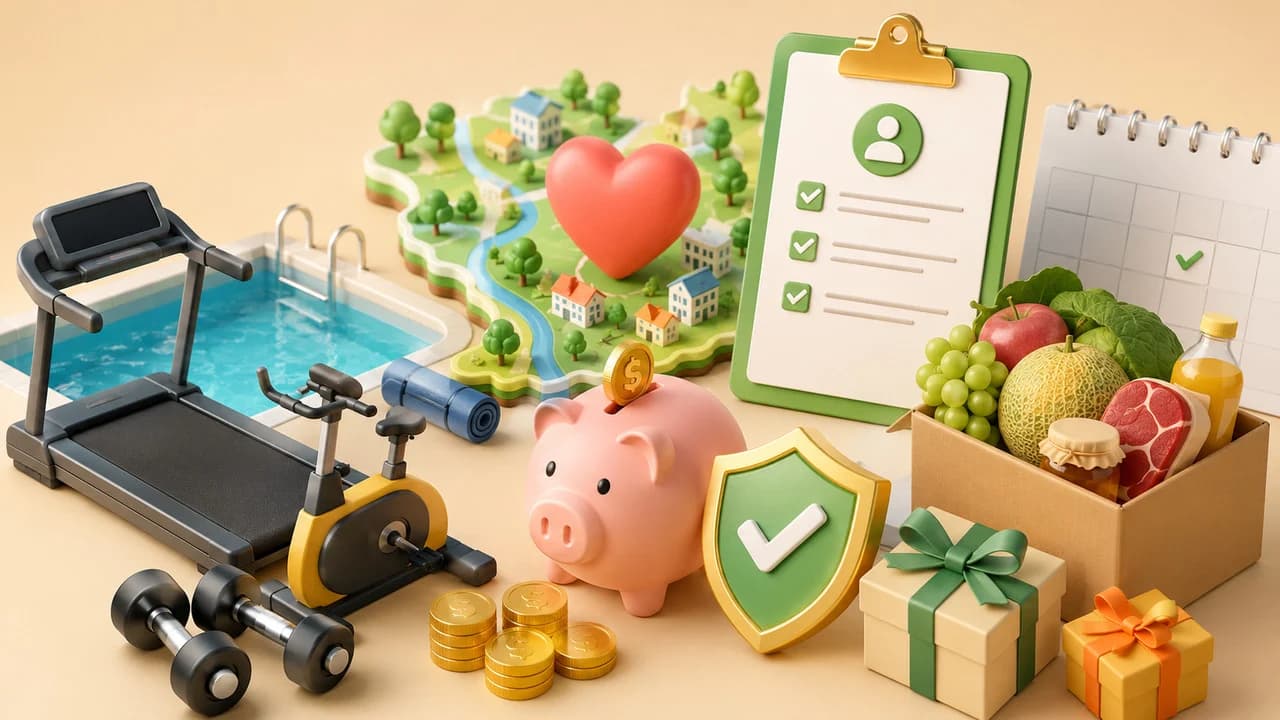
As the year-end tax settlement season arrives, exercise for health management and regional donations are gaining attention as tax-saving strategies. Following the Ministry of Culture, Sports and Tourism's expansion of the income deduction scope for cultural expenses to include sports facilities, the use of registered sports facilities such as gyms and swimming pools is on the rise. Combined with the 'Hometown Love Donation System,' citizens can benefit from both tax credits and return gifts, sparking growing public interest.
Income Deduction for Cultural Expenses: Expanded to Include Sports Facility Usage Fees The ability to manage one's health while receiving year-end tax settlement benefits is cited as a key reason for the growing use of sports facilities. Under the current system, usage fees for fitness centers and swimming pools at facilities meeting certain requirements are included in the income deduction for cultural expenses. Facility usage fees are eligible for deduction based on established criteria, and a certain percentage of instruction fees are also reflected as deductible. However, since eligibility and the deductible range may vary depending on the operator's registration status and payment categories, checking in advance is essential.
Hometown Love Donation System: A Win-Win for Tax Credits and Return Gifts A prominent system often mentioned alongside year-end tax savings strategies is the Hometown Love Donation System. This system is designed so that individuals who donate to local governments other than their own residential area can receive both tax credits and return gifts. In particular, donations of 100,000 won or less are fully eligible for tax credits, and amounts exceeding this threshold are subject to deduction rates defined by relevant laws. Donors can receive return gifts such as local specialties or regional gift certificates within a certain range of their donation amount, making the system beneficial for revitalizing local economies. Recently, various private platforms supporting participation in the Hometown Love Donation System have also been operating. Some platforms host special regional events or their own promotions to provide additional benefits to donors.
Expert Advice and Precautions Experts advise that to maximize tax savings ahead of the year-end tax settlement, it is important to carefully compare income deduction and tax credit systems. By appropriately combining the income deduction for cultural expenses through sports facility use with the Hometown Love Donation System, individuals can reduce their tax burden while simultaneously achieving the dual effects of health management and community contribution.
[※ This article was generated using AI. The content is intended for informational purposes regarding the systems, and actual eligibility for income and tax credits, as well as deduction amounts, may vary depending on individual income, expenditure details, facility eligibility, and relevant laws. For detailed information, please refer to the latest guidance from the National Tax Service and related authorities.]
CBC Globe publishes verified stories with editorial review, source checks, and tenant-specific publication standards.