
The Importance of the IPO Subscription Schedule, as Demonstrated by a 1,000-to-1 Institutional Competition Rate Case
[CBC News] The recent IPO subscription of a tech company ahead of its KOSDAQ listing serves as a prime example of how quickly the landscape can shift in the IPO
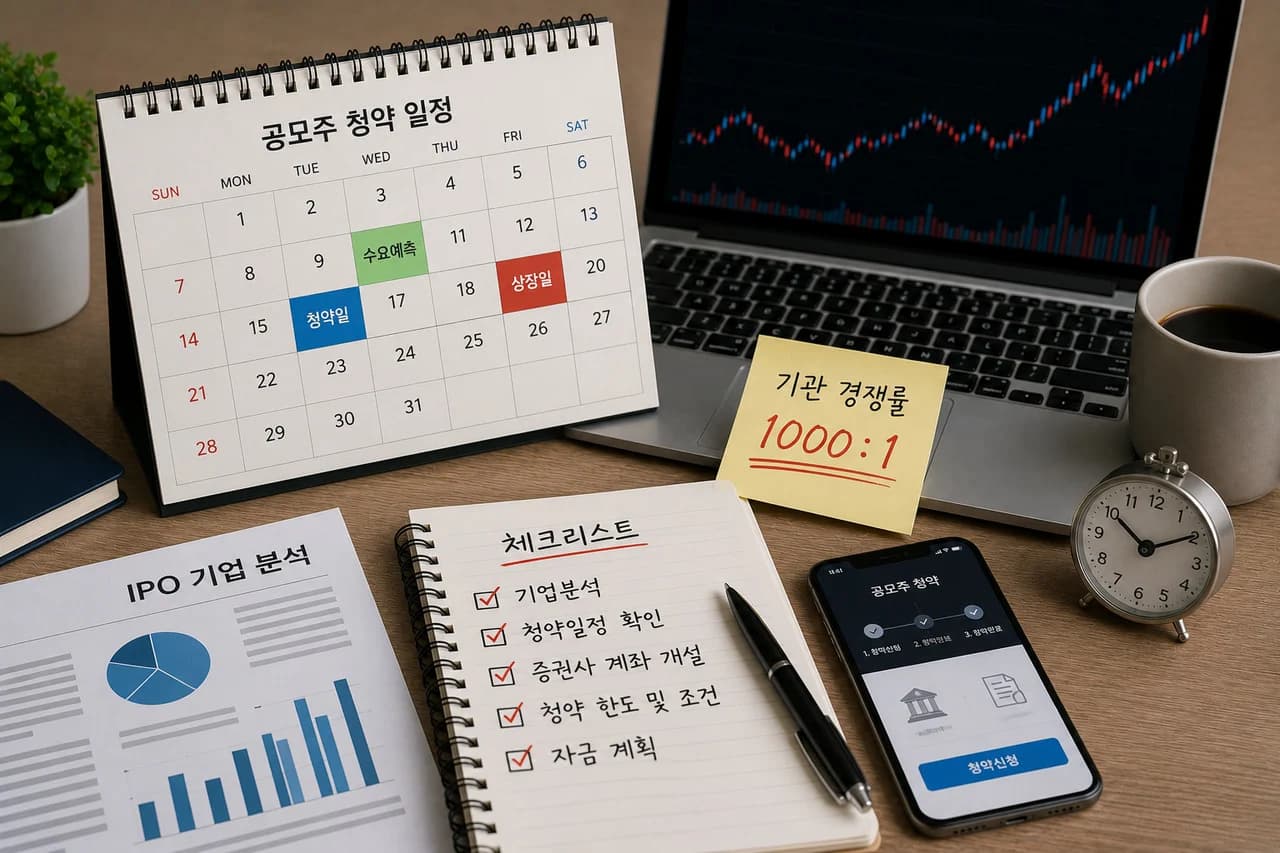
[CBC News] The recent IPO subscription of a tech company ahead of its KOSDAQ listing serves as a prime example of how quickly the landscape can shift in the IPO market.
Institutional Demand Forecast at 1,000-to-1… Subscription Day Is Already Too Late
During the prior institutional investor demand forecast, this stock recorded a competition rate well exceeding 1,000-to-1, drawing significant market attention. As expected, enthusiastic responses continued from the first day of the public subscription.
The problem is that this fervor led to rather disappointing outcomes for retail investors. The IPO system includes a mechanism called 'equal allocation' to ensure that even small-scale investors are given minimum opportunities. It is designed so that regardless of the subscription deposit size, investors can receive a certain number of shares allocated even if they only subscribe for the minimum unit.
However, due to the massive volume that flooded in from the morning of the first subscription day for this particular stock, the estimated number of shares available for equal allocation dropped to fewer than ten shares. This means that even investors who placed their subscriptions for the minimum unit are highly likely to end up with only a few shares in hand.
Although the success was already foreshadowed during the institutional demand forecast, investors who saw the actual numbers expressed reactions such as, "I had no idea the allocation would be this small."
Simply Checking the Dates Is Not Enough… Understanding the Entire Schedule Is Key
The core lesson this case demonstrates is that it is difficult to predict actual outcomes if investors approach the IPO subscription schedule by merely checking the dates.
The institutional demand forecast competition rate, announced a few days before the subscription, is an important leading indicator for gauging the subsequent enthusiasm of the public subscription. For stocks with excessively high competition rates, a strategy of relying solely on equal allocation and subscribing with the minimum amount may make it difficult to receive the expected volume of shares.
When reviewing the IPO subscription schedule, investors should look at the entire process, not just the start and end dates of the subscription. Understanding the overall timeline in advance—from the demand forecast results announcement date, IPO price fixing date, subscription date, and refund date to the listing date—can help in planning finances and checking for any overlaps with other schedules.
In particular, since subscriptions often last only about two days, missing the schedule could mean missing the subscription opportunity entirely for the most highly anticipated stock of the year.
Understanding the Allocation Method Is Key to Strategy
Understanding the allocation method is just as important as keeping track of the IPO subscription schedule. In a structure where both equal allocation and proportional allocation are applied, the actual number of shares one can receive varies significantly depending on the amount of the deposit submitted.
As seen in this case, for stocks with excessively high competition rates, it is realistic to formulate a subscription strategy while keeping in mind that it may be difficult to receive the desired volume of shares through equal allocation alone.
Ultimately, the more successful an IPO is expected to be, the more carefully investors must review the IPO subscription schedule. Since the outcome is largely determined starting from the point when the institutional demand forecast results are released, investors need to cultivate a habit of checking schedules and information from stages prior to the actual subscription day.
This case serves as yet another reminder that IPO investing is an area where outcomes vary depending on how early and accurately investors verify information.
[※ This article is an investment reference material produced with the assistance of AI. It does not constitute investment advice, and the responsibility for investment decisions and their consequences lies solely with the investor. This publication bears no legal or financial responsibility.]
CBC Globe publishes verified stories with editorial review, source checks, and tenant-specific publication standards.