
Hanwha Ocean Closes 2.22% Lower Amid KOSPI's Over 5% Plunge... Focus Shifts to 'Tangible Results' of Korea-U.S. Shipbuilding Cooperation
Hanwha Ocean (042660) closed lower on the 24th amid a broad market sell-off in the domestic stock market. According to the Korea Exchange, Hanwha Ocean finished

Hanwha Ocean (042660) closed lower on the 24th amid a broad market sell-off in the domestic stock market.
According to the Korea Exchange, Hanwha Ocean finished the day at 87,900 won, down 2.22% (2,000 won) from the previous trading day. With both the KOSPI and KOSDAQ falling more than 5% during the session and investor sentiment significantly contracting, Hanwha Ocean was unable to avoid the bearish trend.
On this day, the domestic stock market plunged as risk-off sentiment spread due to escalating geopolitical tensions between the United States and Iran. The KOSPI closed at 6,690.62, down 406.27 points (-5.72%) from the previous trading day, while the KOSDAQ finished at 748.22, down 42.06 points (-5.32%). A surge in international oil prices combined with concerns over expanding volatility in global financial markets led to an overall contraction in investor sentiment.
Nevertheless, the market is closely watching whether the expanding trend of Korea-U.S. shipbuilding cooperation could translate into a medium- to long-term growth driver for the domestic shipbuilding industry.
U.S. Secretary of Commerce Howard Lutnick emphasized the creation of tangible results at the opening ceremony of the Korea-U.S. Shipbuilding Cooperation Center held in Washington, D.C. on the 23rd (local time), stating, "What matters more than the center itself is how many ships are actually built." He stated that various vessels, including naval ships and commercial vessels, must be built directly within the United States in order to restore the competitiveness of the U.S. shipbuilding industry. Furthermore, he expressed his position that cooperation outcomes would be evaluated based on △ investment scale △ facility modernization △ supply chain establishment △ the number of actually produced vessels, rather than meeting records or memorandum of understanding (MOU) signings.
As the U.S. policy to rebuild its shipbuilding industry gets underway in earnest, how the technological capabilities and production capacity of domestic shipbuilders will be utilized is cited as a key variable going forward.
[This article is not intended to solicit investment. The final judgment and responsibility for all investments lie with the investor.]
CBC Globe publishes verified stories with editorial review, source checks, and tenant-specific publication standards.
Related Articles
Doosan Enerbility Falls for First Time Since Recovering '70,000 Enerbility' Level... Catching Breath Amid Market Plunge
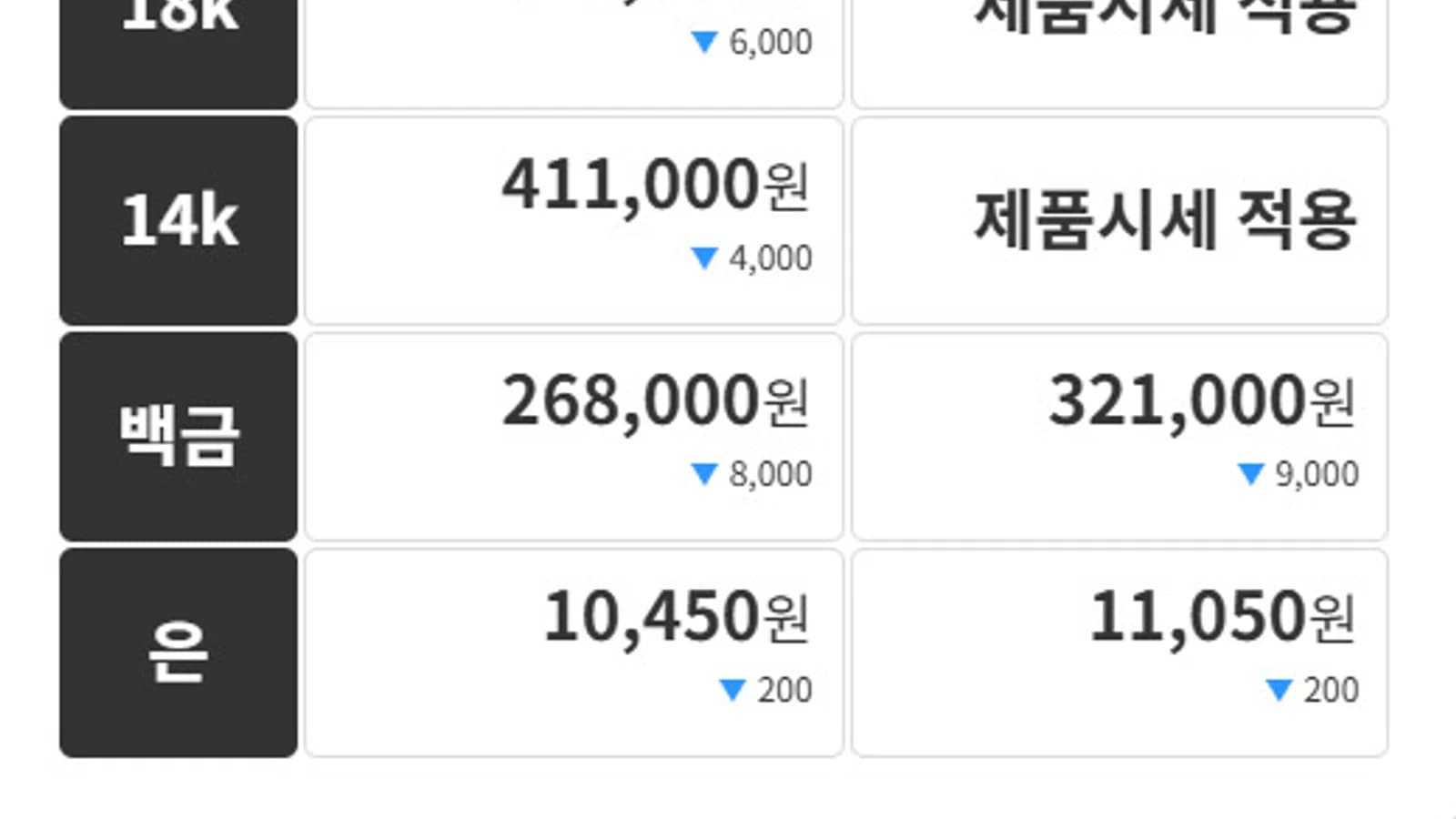
Today's Gold Prices (July 24): Pure Gold Buying Price Down 829,000 Won, International Gold Fluctuating Around $4,000
Shinsung Delta Tech Overcomes Regular Session Decline, Rebounds in NXT... New Market Leader Trend Draws Attention
![[Breaking] Wall Street Opens Mixed in Early Trading... Dow and S&P 500 Flat, Nasdaq Starts Lower](/_next/image?url=https%3A%2F%2Fmedia.cbcglobe.com%2Ftenants%2Fcbc00000-0000-4000-8000-000000000001%2Fmedia%2Fcbc%2F2026%2F07%2F591754%2Faabbff309783fc3a%2Fvariants%2Fhero.webp&w=1920&q=75)