
Samsung Heavy Industries Extends FLNG Technology to Floating Data Centers... Evolution into Marine Infrastructure Platform
Samsung Heavy Industries is strengthening its competitiveness in offshore plant business centered on FLNG (Floating Liquefied Natural Gas) production facilities
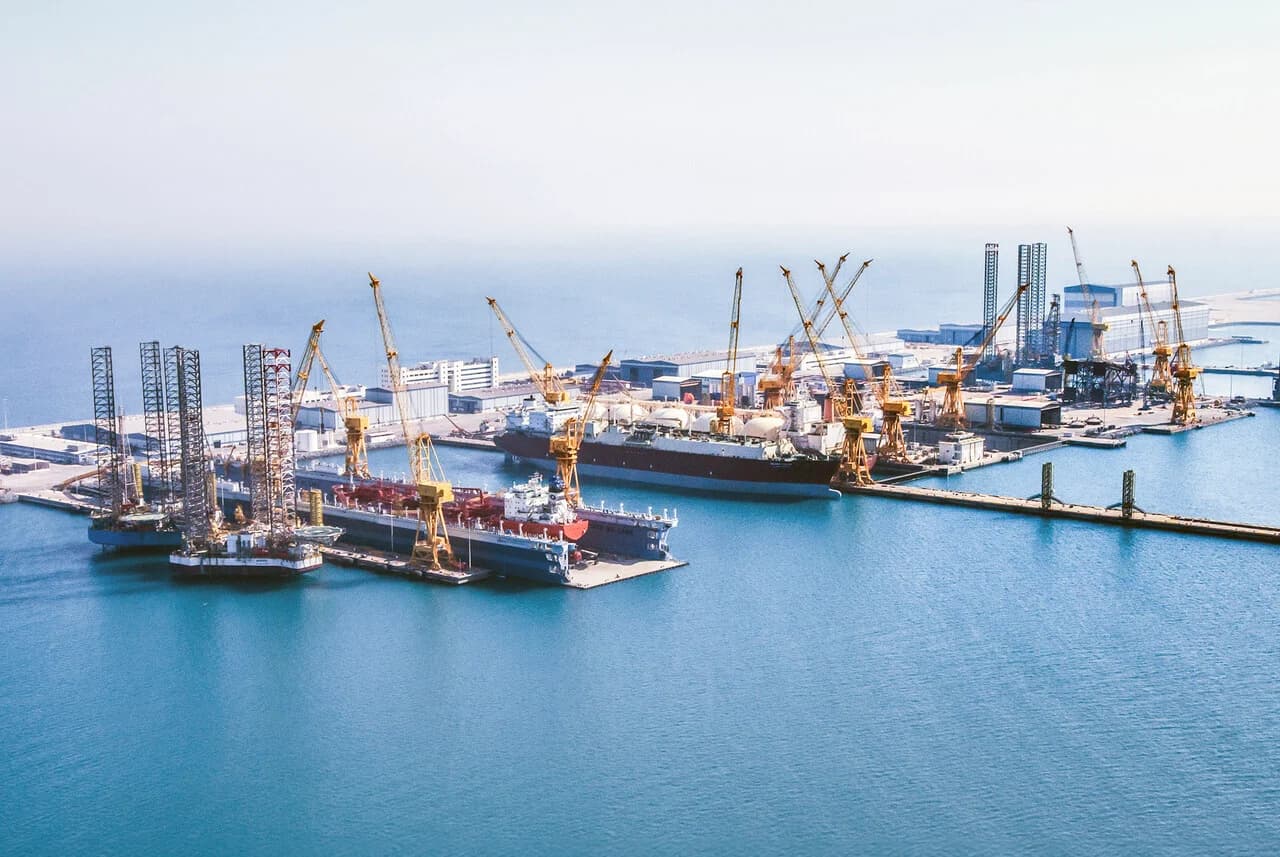
Samsung Heavy Industries is strengthening its competitiveness in offshore plant business centered on FLNG (Floating Liquefied Natural Gas) production facilities, while simultaneously expanding the scope of its technology application to floating data centers (FDC). Although their purposes differ, the two businesses share commonalities in that the design and construction of large floating structures, along with power, cooling, and safety systems, are essential.
Record-High First-Half Performance... Orders Surpass $10 Billion
On a consolidated basis, Samsung Heavy Industries recorded revenue of KRW 6.133 trillion and operating income of KRW 598.1 billion in the first half of 2026. Compared to the same period last year, revenue increased by 18.5% and operating income by 82.4%. In the second quarter alone, the company posted revenue of KRW 3.2307 trillion and operating income of KRW 325 billion. The company explained that the expansion of global production operations and the resumption of dock 2 launches drove revenue growth and profitability improvement.
The order intake momentum also continues. From January to July 2026, the company secured new orders totaling $10 billion. In the shipbuilding sector, the company expects additional orders centered on LNG carriers, while in the offshore sector, it is in discussions for the follow-up Delphin FLNG project and the Western FLNG project.
From FLNG to FDC... Expansion of 'Floating Platform' Technology
FLNG is a floating facility that produces, liquefies, stores, and offloads natural gas at sea. Unlike onshore liquefaction facilities, it reduces the burden of securing ports, pipelines, and sites, making it a useful tool for developing offshore gas fields. Samsung Heavy Industries has steadily accumulated experience in the design and construction of FLNG beyond LNG carriers, expanding its business domain into complex offshore facilities equipped with gas production, processing, and storage functions.
Recently, there has been a movement to expand these floating design capabilities into the data center sector. A floating data center is a concept that installs servers and power and cooling facilities on offshore structures, and it is being considered as an alternative for regions where securing onshore sites and power grids is difficult. Although FLNG and floating data centers have different end purposes, they share technical commonalities in that large-scale facilities must be deployed in limited spaces, with integrated power, cooling, fire, and safety systems. This is the background that enables Samsung Heavy Industries to apply its large-structure design, module fabrication, and facility integration capabilities accumulated in shipyard and offshore plant businesses to new marine infrastructure.
Key Variables for Performance Assessment
However, floating data centers are still in the early business stage, and whether actual orders and revenue will materialize must be confirmed separately. This business expansion can be seen as Samsung Heavy Industries' attempt to widen its scope of application beyond LNG vessels and offshore plant construction to become a marine infrastructure platform. However, while FLNG is a business with accumulated order and construction experience, floating data centers represent a new field that requires technology verification and customer acquisition.
Going forward, when assessing Samsung Heavy Industries' performance, additional LNG carrier orders and the signing of follow-up FLNG contracts such as Delphin are expected to be the primary variables. For floating data centers, whether conceptual design and cooperation lead to actual commercial projects is cited as the criterion that will determine mid- to long-term growth potential.
[※ This article covers corporate and industry trends and does not recommend buying or selling any specific stock. New businesses may see changes in schedule or content during the consultation and verification process, and investment decisions and responsibilities lie with the investor. This article was written with AI assistance.]
CBC Globe publishes verified stories with editorial review, source checks, and tenant-specific publication standards.
Related Articles
Samsung Electronics Posts Record Q2 Earnings... AI Memory 'Super Boom' vs. Finished Products 'Deficit Quagmire'

Hanmi Semiconductor Surges 27.98% to Close July... Recovers 210,000 Won Level on HBM and AI Benefit Expectations

What's the Gold Price Today?... U.S.-Iran War of Words Continues