Naver Expands AI Factory from 55MW to 200MW... $10 Billion Project with Nvidia and Brookfield Kicks into High Gear
Naver is leaping beyond its role as a search- and commerce-centric platform company to become an AI computing infrastructure provider. It plans to expand its AI
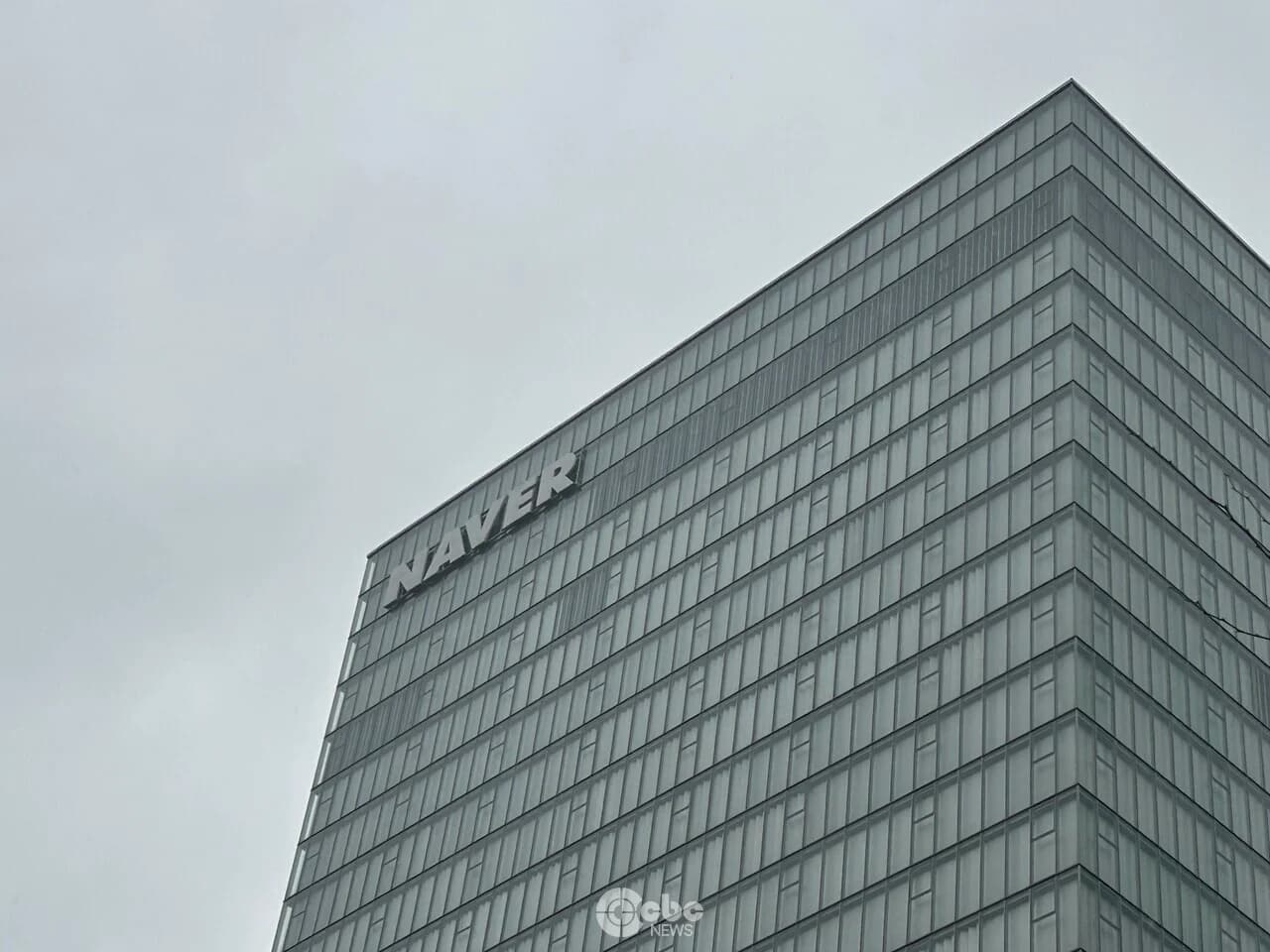
Naver is leaping beyond its role as a search- and commerce-centric platform company to become an AI computing infrastructure provider. It plans to expand its AI Factory, involving Nvidia and Brookfield, to a 200MW scale, but whether the massive investment of nearly 10 trillion won will translate into actual customers and revenue remains the key variable that will determine the company's future corporate value.
■ 200MW by 2028, Long-Term Goal of 1GW Infrastructure
According to Naver's official announcement and a report by the Electronic Times, Naver plans to operate a 55MW AI Factory in the first half of next year before expanding it to 200MW by 2028. The long-term vision is to build a 1GW-grade infrastructure to target sovereign AI demand in the Asia-Pacific, Europe, and the Middle East.
■ Nvidia's $1 Billion Investment, Brookfield Pursuing $9 Billion Pre-Contract
Nvidia and global investment firm Brookfield are participating in this project.
- Nvidia: $1 billion investment. According to Daily Post, it plans to acquire 7,241,564 shares of Naver common stock through a third-party allotment capital increase, securing an approximately 4.5% stake. The investment amounts to roughly 1.46 trillion won.
- Brookfield: Pursuing a $9 billion pre-contract to secure the GPUs and data center infrastructure required for the AI Factory.
Issuing new shares is a means to secure large-scale capital and strengthen the strategic relationship with Nvidia. However, since new shares will be issued, it is necessary to consider the potential dilution of existing shareholders' ownership percentages and value per share.
■ AI Compute Partnership Under Negotiation... What is the Business Model?
Naver Cloud is negotiating an AI compute partnership agreement with Nvidia to jointly pursue the global AI Factory business. It is known to be reviewing a cooperative structure that combines technology supply with customer acquisition and capital procurement.
Naver intends to provide computing resources to enterprises and government agencies based on its experience operating its own data centers, GPU clusters, and AI models such as HyperCLOVA X. This strategy aims to expand from internal facilities for existing search and commerce to a business that sells GPU usage to external customers.
■ Massive Initial Investment... Profitability Pressure Factors Exist
The AI Factory is a business requiring substantial initial investment. Costs for data center construction, power and cooling facilities, networking, and GPU acquisition are incurred upfront. In particular, if the utilization rate is low, depreciation and electricity costs could pressure profitability.
When evaluating business viability, it is necessary to comprehensively check GPU utilization rates, customer contracts, usage fees, electricity costs, and financial costs rather than simply looking at the data center scale. Even if the 200MW scale is completed, the investment recovery period could be prolonged if actual customer usage is insufficient.
■ Current Performance Base Remains Search and Commerce
Key consolidated performance for Naver in 2025:
- Revenue: 12.35 trillion won (year-on-year +12.1%)
- Operating Profit: 2.2081 trillion won (year-on-year +11.6%)
- Revenue by Segment: Search Platform 4.1689 trillion won, Commerce 3.6884 trillion won, Content 1.8992 trillion won, Fintech 1.6907 trillion won, Enterprise 587.8 billion won
Commerce recorded the highest growth rate, while search advertising and fintech also supported performance. For the AI Factory to establish itself as a new growth axis, Enterprise revenue must grow faster than the existing search and commerce sectors.
■ Strengths and Risks of the Partnership
Strengths of Nvidia's participation: Securing the latest GPUs and attracting global customers. Risks of Nvidia's participation: Deepening dependence on a specific GPU supplier and the possibility of additional investments arising from product replacement cycles. Strength of Brookfield's capital participation: Naver does not have to bear the entire project cost directly. Key details to confirm in Brookfield contract: Specific conditions such as profit distribution methods, minimum usage guarantees, and additional capital burdens.
■ Four Key Indicators to Watch Going Forward
1. External customer contracts: GPU usage for internal services and the sale of computing resources to external enterprises entail different revenue structures. 2. AI Factory utilization rate: Low GPU utilization in large-scale facilities will pressure operating profit through electricity and depreciation costs. 3. Detailed terms of Nvidia and Brookfield contracts: The nature of the investment, profit distribution, and the scale of Naver's additional capital burden. 4. Synergy with existing businesses: Assessing whether AI investment connects to improved search advertising efficiency, increased commerce transaction volume, and higher cloud and enterprise revenue.
Naver can also utilize its AI infrastructure to improve the quality of its search, shopping, advertising, and enterprise AI services. This structure simultaneously targets two outcomes: infrastructure revenue from external customers and improved internal service efficiency.
■ Scale of Investment Alone Does Not Guarantee Success
Naver's AI Factory business is highly significant as it marks a domestic platform company's direct entry into the global AI infrastructure market. Combining Brookfield's capital, Nvidia's GPUs, and Naver's data center operational capabilities can accelerate deployment speed and business scalability.
However, it is difficult to guarantee success based solely on the scale of 200MW and $10 billion. Going forward, the core factors that will determine Naver's corporate value are expected to be GPU utilization rates, customer acquisition, infrastructure revenue, and the speed of investment recovery, rather than the sheer investment amount.
[This article was written with the assistance of AI. This article is reference material for investment decisions and does not recommend the purchase or sale of specific stocks. Investors must verify company disclosures and exchange data before investing.]
CBC Globe publishes verified stories with editorial review, source checks, and tenant-specific publication standards.
Related Articles
Renewable Energy Stocks Strong in Morning Session... Shinsung E&G Up Over 6%, HD Hyundai Energy Solutions and Kummyang Green Power Also Climb
Optical Communication and Optical Semiconductor Stocks Gain Strength in Morning... Daehan Optical Communication Up 11%, Bitgwajeonja and RF Materials Rise Together
Secondary Battery Stocks Mixed Amid Hwaseung's Surge of Over 10%... Equipment and Materials Stocks Broadly Strong, Ecopro BM Declines