Trump Signs Executive Order for Domestic Polysilicon Production… Introduces Minimum Import Price System and 15% Tariff
The White House announced on the 6th (local time) that U.S. President Donald Trump signed an executive order aimed at expanding domestic production of polysilic
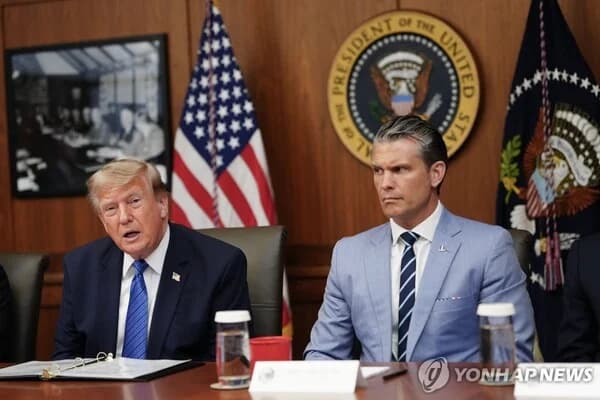
The White House announced on the 6th (local time) that U.S. President Donald Trump signed an executive order aimed at expanding domestic production of polysilicon, a key raw material used in semiconductors and solar equipment.
A White House official explained that the order is a trade and tariff measure based on Section 232 of the Trade Expansion Act. This provision grants the president authority to restrict imports when imports of specific items pose a threat to national security. The official added that the purpose is to support the U.S. polysilicon manufacturing industry and protect it from overseas dumping and external threats.
At the signing ceremony that day, Commerce Secretary Howard Lutnick emphasized that polysilicon is a key raw material for silicon wafers used in advanced devices such as artificial intelligence (AI) chips and mobile phones, declaring plans to increase polysilicon production in the United States through this measure.
The executive order reportedly includes the introduction of a minimum import price system for polysilicon and its derivative imports. This is interpreted as a measure to block the inflow of low-cost Chinese products and enable U.S. companies to sustain production. Additionally, a 15% ad valorem tariff will be imposed on polysilicon derivatives, and the Commerce Secretary was directed to develop an incentive program for companies establishing polysilicon production facilities in the United States. These measures are scheduled to take effect after 120 days.
Over the past decade, the U.S. government has pursued import tariffs and incentive policies for domestic companies in an effort to weaken China's dominance in the global polysilicon market. This executive order is an extension of those efforts.
Meanwhile, although there were predictions that specific tariff rates and detailed provisions regarding tariffs on foreign polysilicon would be disclosed along with the announcement, detailed information has not yet been released.
CBC Globe publishes verified stories with editorial review, source checks, and tenant-specific publication standards.
Related Articles
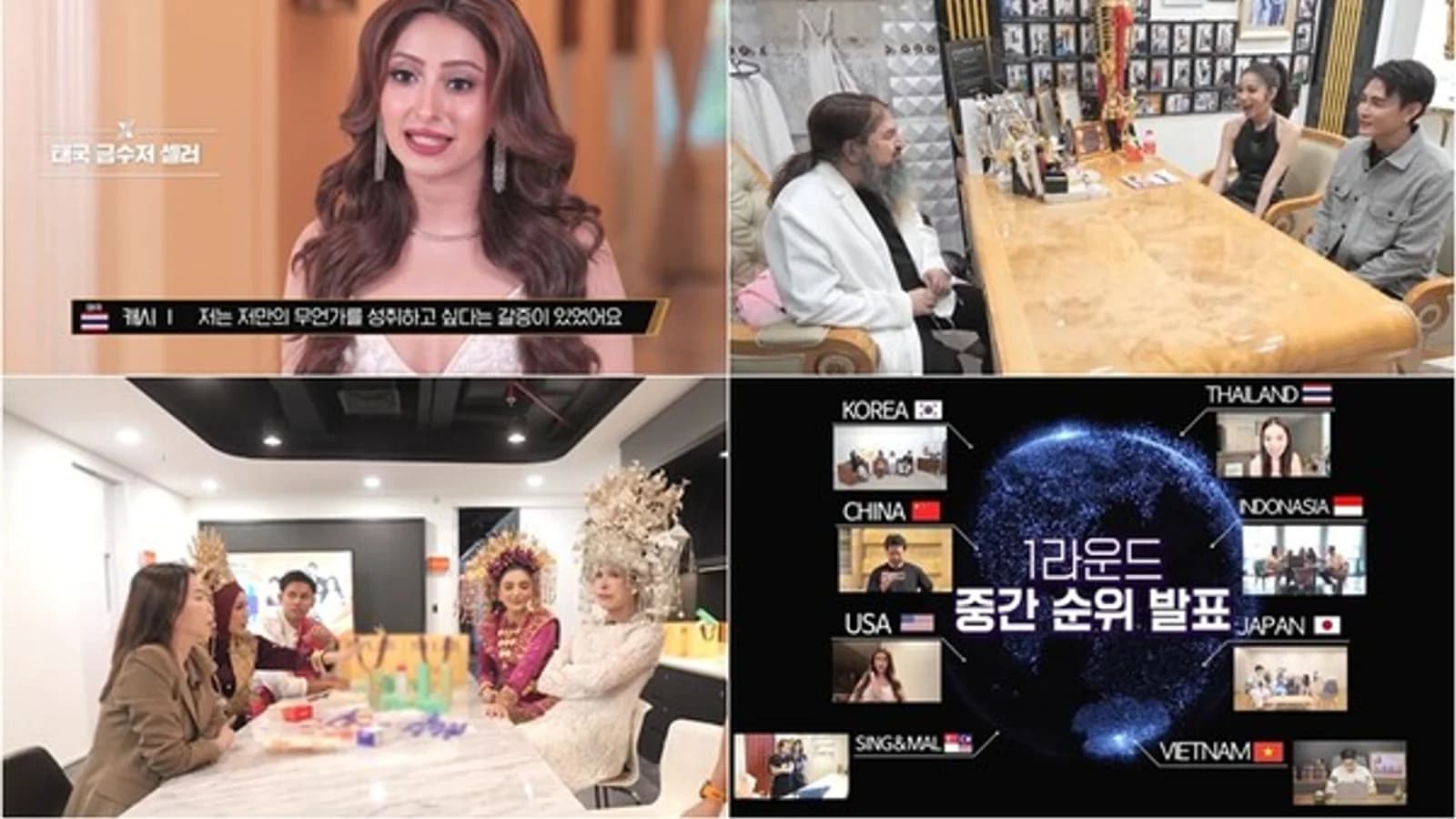
ENA 'X the League': Korean Representative 'Kkah-eonni' Records 270 Million Won in Sales on Day One of Round 1... Takes Overall First Place

"Love Untangled" Ha Young: "From My Great-Grandfather to My Father, Everyone Is a Doctor... I Chose Acting"
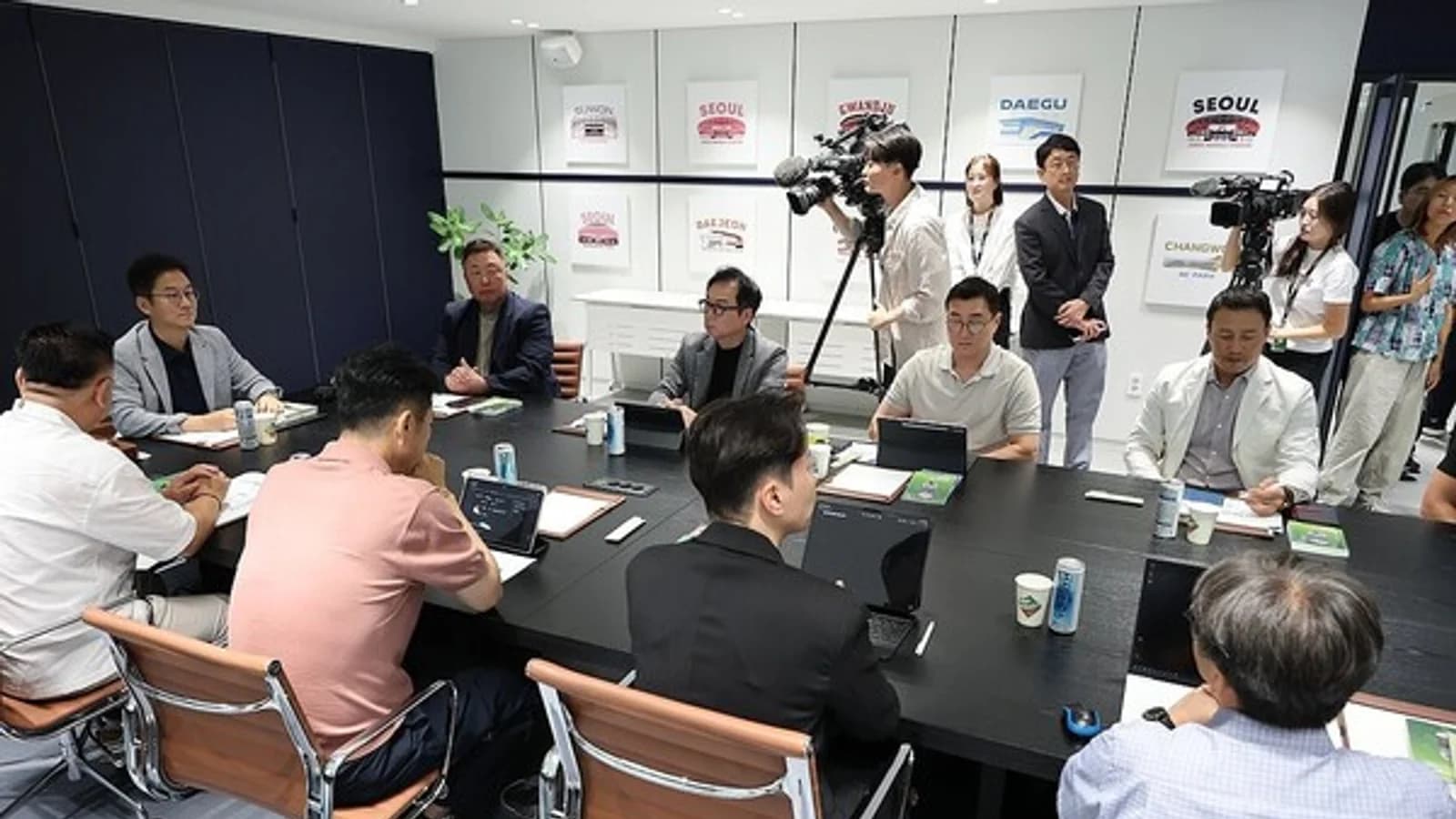
KBO Holds Emergency Meeting on Heatwave Countermeasures; All 15 Games Nationwide Cancelled from July 7–9, League to Resume on the 11th