Busan Fire Helicopter Emergency Transports Surge 4.5-Fold After National Integrated Dispatch System... Securing Golden Time for Critical Patients
The Fire Aviation Unit of the Busan Fire and Disaster Headquarters is showing a significant increase in the number of emergency patients transported by air. Sin
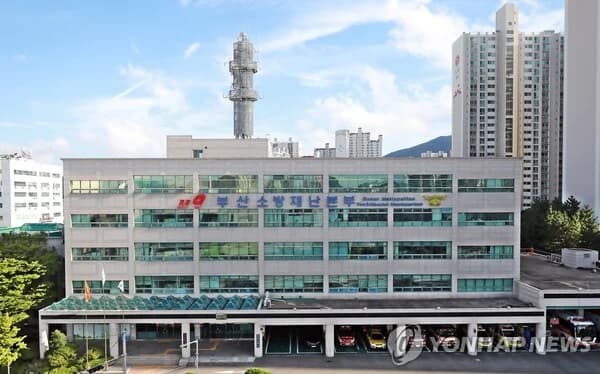
The Fire Aviation Unit of the Busan Fire and Disaster Headquarters is showing a significant increase in the number of emergency patients transported by air. Since the implementation of the 'National Integrated Fire Helicopter Dispatch System' in May 2024, deployments to other cities and provinces have increased 2.5-fold, from 14 to 50 cases, while the number of emergency patients transported during the same period also surged 4.5-fold, from 4 to 22.
This integrated dispatch system is a framework that prioritizes deploying the fire helicopter closest to the scene of an incident, regardless of jurisdiction. The Busan Fire and Disaster Headquarters explained that the role of rapid air transport has expanded significantly since the introduction of this system. The Busan Fire Aviation Unit has been providing aviation medical services and transport support for patients requiring immediate treatment, including those with severe trauma, high-risk pregnant women, those in need of urgent long-distance transport, and patients with cardiovascular and cerebrovascular diseases.
In the most recent case, on the 3rd, a Busan fire helicopter transported two critical patients in a single day: a severely traumatized traffic accident patient from Geoje, South Gyeongsang Province, and a high-risk expectant mother from Jeju Island. At around 8:00 a.m., a patient severely injured in a traffic accident in Geoje was transported to the Regional Trauma Center at Pusan National University Hospital. A journey that would have taken over an hour by land was completed in just 15 minutes by helicopter, securing the golden time. Later that afternoon, a request was received to transport a pregnant woman in her 20s, at 24 weeks of gestation with ruptured membranes, from Jeju Island to Busan. At the time, it was difficult to secure medical staff in Jeju to treat the expectant mother. The Busan fire helicopter flew over 600 kilometers round trip to safely transport the woman to Inje University Busan Paik Hospital.
Previously, in June, a 27-weeks pregnant mother of triplets showing signs of premature labor was urgently transported from Jeju to a medical facility in Daegu. After receiving appropriate treatment, the woman safely gave birth to triplets at Daegu Catholic Hospital on the 4th of last month.
Lee Jin-ho, Head of the Busan Fire and Disaster Headquarters, stated, 'Time is the most critical factor for emergency patients,' and expressed his commitment to maintaining a rapid and safe air transport system in cooperation with relevant agencies in the future.
CBC Globe publishes verified stories with editorial review, source checks, and tenant-specific publication standards.
Related Articles

'You Quiz on the Block' Features Lee Eun-gyeol and Lee Seung-cheol... Takes No. 1 Ratings, Christopher Nolan and Matt Damon Set to Appear Next Week

LE SSERAFIM's Huh Yunjin, CORTIS, and KATSEYE Named in U.S. Variety's '2026 Young Hollywood Impact'

Saturday, August 8 Chinese Zodiac Horoscopes: Complete Guide to Overall Fortune, Love, Wealth, Health, Lucky Colors, and Numbers