Governor Choo Mi-ae: "Welfare Expansion Is Not to Blame for Fiscal Woes... Urgent Need to Fundamentally Overhaul Tax Structure Amid Surging Elderly Population"
As Gyeonggi Province faces a surge in demand for welfare and public services driven by population growth and aging, calls have emerged for a fundamental overhau
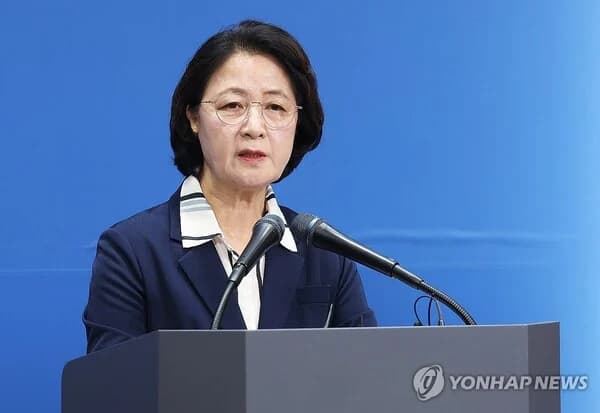
As Gyeonggi Province faces a surge in demand for welfare and public services driven by population growth and aging, calls have emerged for a fundamental overhaul of its fiscal structure. Gyeonggi Governor Choo Mi-ae pointed to the rapidly growing service needs of residents and an unbalanced tax revenue structure, rather than welfare expansion, as the core causes of the fiscal crisis.
"Total Population Up 300,000... Elderly Population Surges by 600,000" Governor Choo explained that while Gyeonggi Province records the largest population and number of births in the country, the influx of elderly people from outside the province is also growing rapidly. She stated, "Since 2022, the total population of Gyeonggi Province has increased by about 300,000, but during the same period, the elderly population aged 65 and above surged by approximately 600,000, which is twice the overall population increase." As a result, fiscal spending has inevitably expanded significantly across various sectors including childcare, education, care services, healthcare, transportation, and housing, further compounding the fiscal burden.
"Tax Revenue from Gyeonggi Province's Industrial Growth Not Adequately Returning to the Province" Governor Choo pointed out that tax revenues generated from the province's industrial growth are not being sufficiently collected by the province. She criticized the situation, noting that while Gyeonggi Province bears immense responsibilities, it has not secured corresponding fiscal authority. She then emphasized the need for a fundamental overhaul of fiscal authority and the tax revenue structure that befits the scale and role of Gyeonggi Province as the largest local government in South Korea.
In particular, she strongly rebutted claims from political circles that blame welfare policies for the fiscal crisis. Governor Choo declared, "It is not the expansion of welfare that is causing the fiscal crisis; the essence of the problem is the rapid increase in residents who need welfare and public services," adding, "Attempts to turn this into a mere political debate are deplorable."
Compilation of 770 Billion Won Supplementary Budget and Launch of Fiscal Crisis Response Task Force In response, Gyeonggi Province is planning to compile a supplementary budget of approximately 770 billion won this year to address declining revenues and rising mandatory expenditures. The province plans to comprehensively review unnecessary projects while also requesting the central government and the National Assembly to improve the revenue structure, which is currently centered on acquisition taxes, and to expand local consumption taxes.
Earlier, on the 5th, Governor Choo officially declared a "fiscal emergency" at the Gyeonggi Provincial Government complex. She instructed the formation of a "Fiscal Crisis Response Strategy Task Force (TF)," centered on the newly appointed Vice Governor for Economy Joo Hyung-chul, with activities scheduled to conclude within this month. The TF plans to conduct a detailed diagnosis of Gyeonggi Province's fiscal situation and develop comprehensive measures, including expenditure restructuring, institutional improvements, and mid-to-long-term revenue expansion strategies.
CBC Globe publishes verified stories with editorial review, source checks, and tenant-specific publication standards.
Related Articles

'You Quiz on the Block' Features Lee Eun-gyeol and Lee Seung-cheol... Takes No. 1 Ratings, Christopher Nolan and Matt Damon Set to Appear Next Week

LE SSERAFIM's Huh Yunjin, CORTIS, and KATSEYE Named in U.S. Variety's '2026 Young Hollywood Impact'

Saturday, August 8 Chinese Zodiac Horoscopes: Complete Guide to Overall Fortune, Love, Wealth, Health, Lucky Colors, and Numbers