
Iran Presents 'Six Demands' Including U.S. Military Withdrawal and Sanctions Relief: "Strait of Hormuz to Reopen Upon Fulfillment of Conditions"
Iran is continuing its high-stakes brinkmanship by presenting six stringent preconditions to the United States for the reopening of the Strait of Hormuz. By demanding a U.S. military withdrawal and the complete lifting of sanctions, Iran has significantly raised the threshold for negotiations. On t
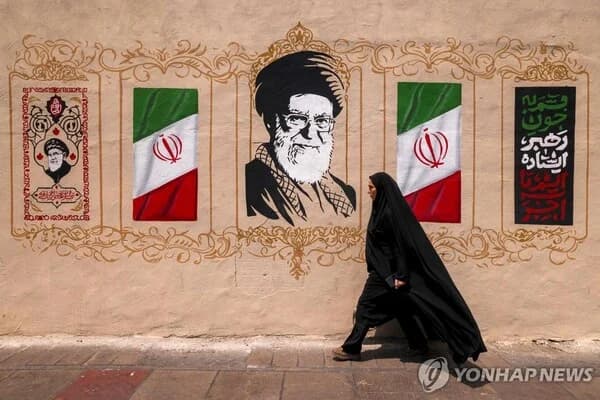
Iran is continuing its high-stakes brinkmanship by presenting six stringent preconditions to the United States for the reopening of the Strait of Hormuz. By demanding a U.S. military withdrawal and the complete lifting of sanctions, Iran has significantly raised the threshold for negotiations.
On the 8th (local time), Mohammad Bagher Zolghadr, Secretary-General of Iran's Supreme National Security Council, officially announced six demands for the reopening of the strait through state broadcasting. The conditions presented are as follows:
• Cessation of threats and insults against Iran's national and religious values • Cessation of attacks on Iranian allies, including Lebanon, Palestine, Yemen, and Iraq • Lifting of the maritime blockade and withdrawal of U.S. forces from the region • Compensation for damages caused by two 'wars of aggression' • Lifting of sanctions against Iran • Unconditional release of frozen assets
Secretary-General Zolghadr emphasized that the strait will not be reopened until the United States corrects its actions. Hossein Mohaved, spokesperson for Iran's Islamic Revolutionary Guard Corps (IRGC), added that the strait can only be opened if the United States fully accepts Iran's conditions and refrains from interfering in negotiations.
These demands are far stricter than the 'Islamabad Memorandum of Understanding (MOU)' previously signed by the U.S. and Iran. At the time, the MOU stipulated that the strait would be opened first, sanctions would be gradually eased depending on Iran's change in attitude, and the nuclear issue would be discussed later. Foreign Minister Abbas Araghchi stated that negotiations with Oman were close to an agreement, but reaffirmed that the reopening of the strait requires all conditions to be met, including compensation for U.S. violations of the MOU.
The sudden presentation of hardline conditions difficult for the United States to accept is driven by a strategy orchestrated by IRGC and other hardliners. While the pragmatist foreign minister and president were seeking a compromise, the Supreme National Security Council, controlled by hardliners, formalized specific and radical demands. The Wall Street Journal (WSJ) analyzed that the IRGC is raising obstacles to an agreement that would impact global energy supply flows and the economy.
In fact, traffic through the strait has significantly decreased compared to pre-war levels. According to maritime data firm Kpler, the average number of ships passing through the Strait of Hormuz recently stands at just 10 per day, remaining at one-tenth of pre-war levels. The New York Times (NYT) projected that normalizing the strait will not be easy due to Iran's additional demands.
As the gap between the two sides' positions remains wide, the view is spreading within the United States that a military response alone will not be enough to end the war. CNN reported that Chairman of the Joint Chiefs of Staff Dan Caine recently told President Donald Trump's staff over the past few weeks that an 'exit strategy' is needed to end the war with Iran. President Trump recently signaled his willingness to reach an agreement, but has not yet issued an official response to Iran's new conditions.
Meanwhile, military tensions continue near the strait. The United Arab Emirates (UAE) claimed one of its vessels was subjected to a missile attack and pointed to the IRGC as the responsible party, while Oman stated that negotiations are progressing positively and urged Iranian hardliners to exercise restraint.
CBC Globe publishes verified stories with editorial review, source checks, and tenant-specific publication standards.
Related Articles
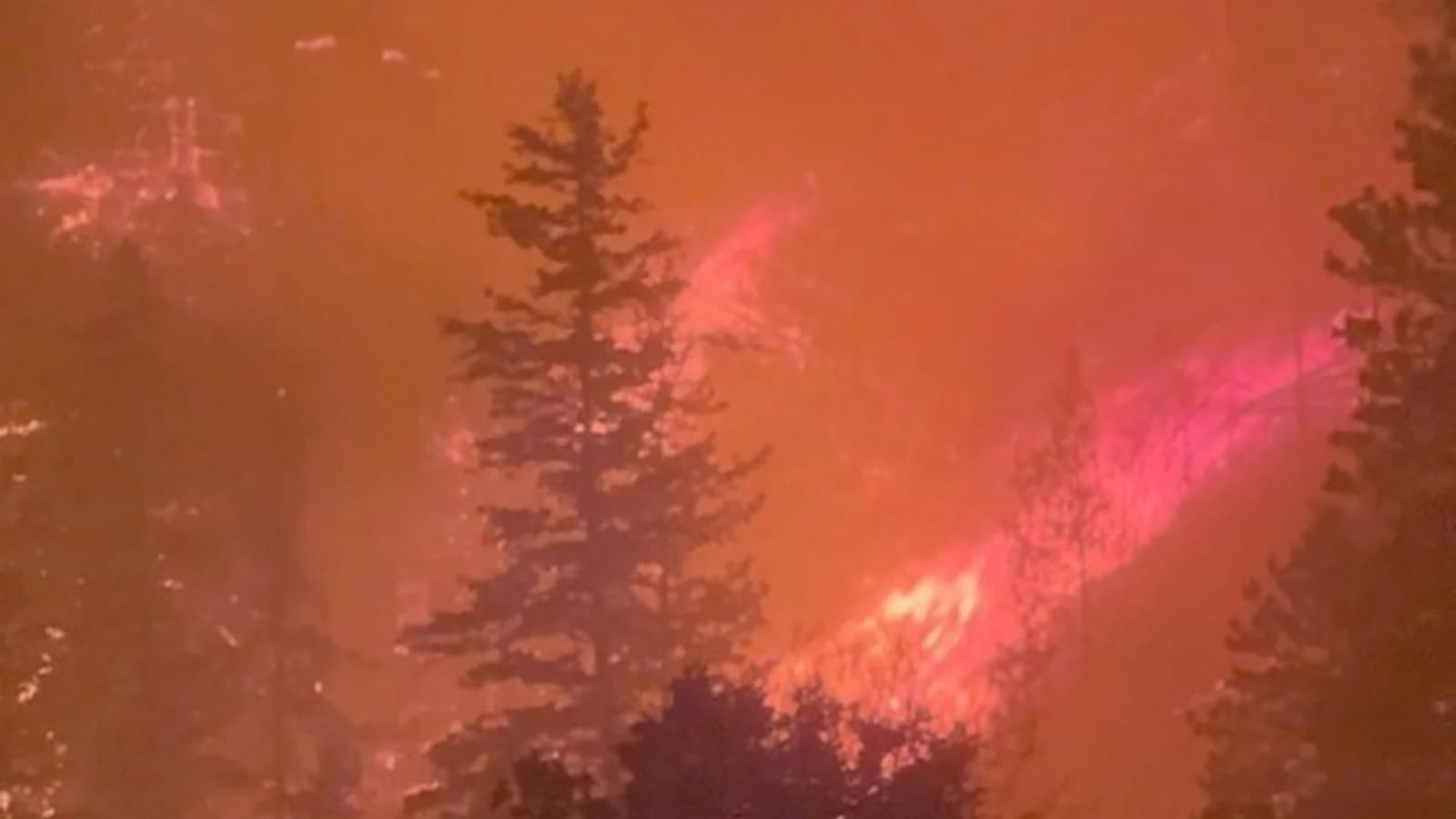
105 Wildfires Break Out Simultaneously in British Columbia, Western Canada: 18,000 Evacuated as State of Emergency Declared
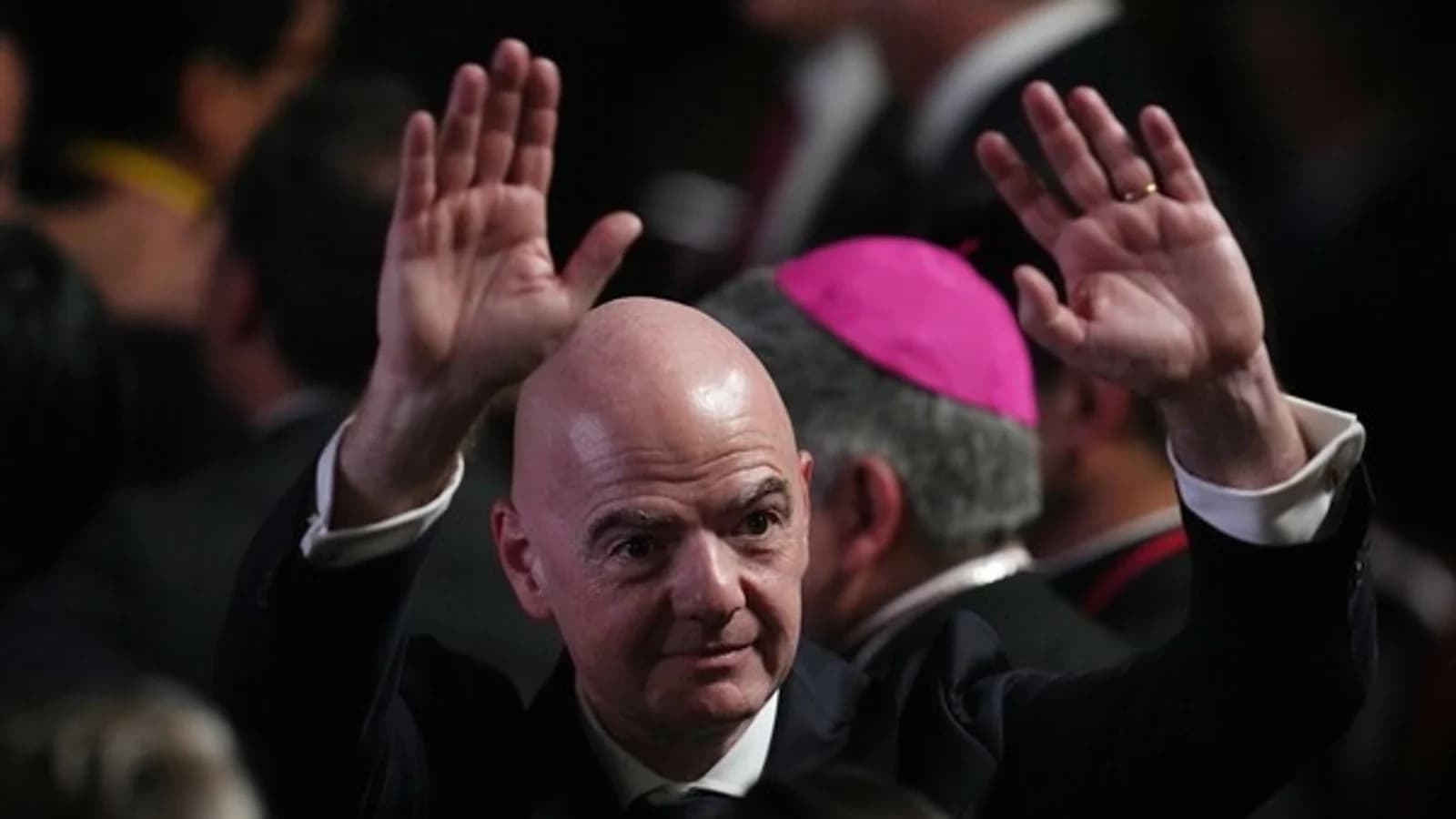
FIFA President Infantino Faces Allegations of Personal Relationship with Female Employee During UEFA Tenure

aespa Takes Over Gocheok Dome 6 Years After Debut... Kicks Off 4th World Tour 'SYNK : COMPLaeXITY' with 35,000 Fans in Spectacular Fashion
![[LCK 2026] T1 Roster vs. Hanhwa Life: Rising Jungle Prospect Kim Eun-hu Makes Main Roster Debut in Place of 'Oner'](/_next/image?url=https%3A%2F%2Fmedia.cbcglobe.com%2Ftenants%2Fcbc00000-0000-4000-8000-000000000001%2Fmedia%2Fcbc%2F2026%2F08%2F595485%2Fdbfd30a2d0327eee%2Fvariants%2Fhero.webp&w=1920&q=75)