
Bitcoin vs. Ethereum: What's the Difference?... Key Differences Virtual Asset Investors Should Know
An analysis has emerged that Bitcoin (BTC) and Ethereum (ETH), the two leading representatives of the virtual asset market, show distinct differences in terms of structure and role. While both assets maintain their positions as top-tier coins by market capitalization, their design purposes and the c
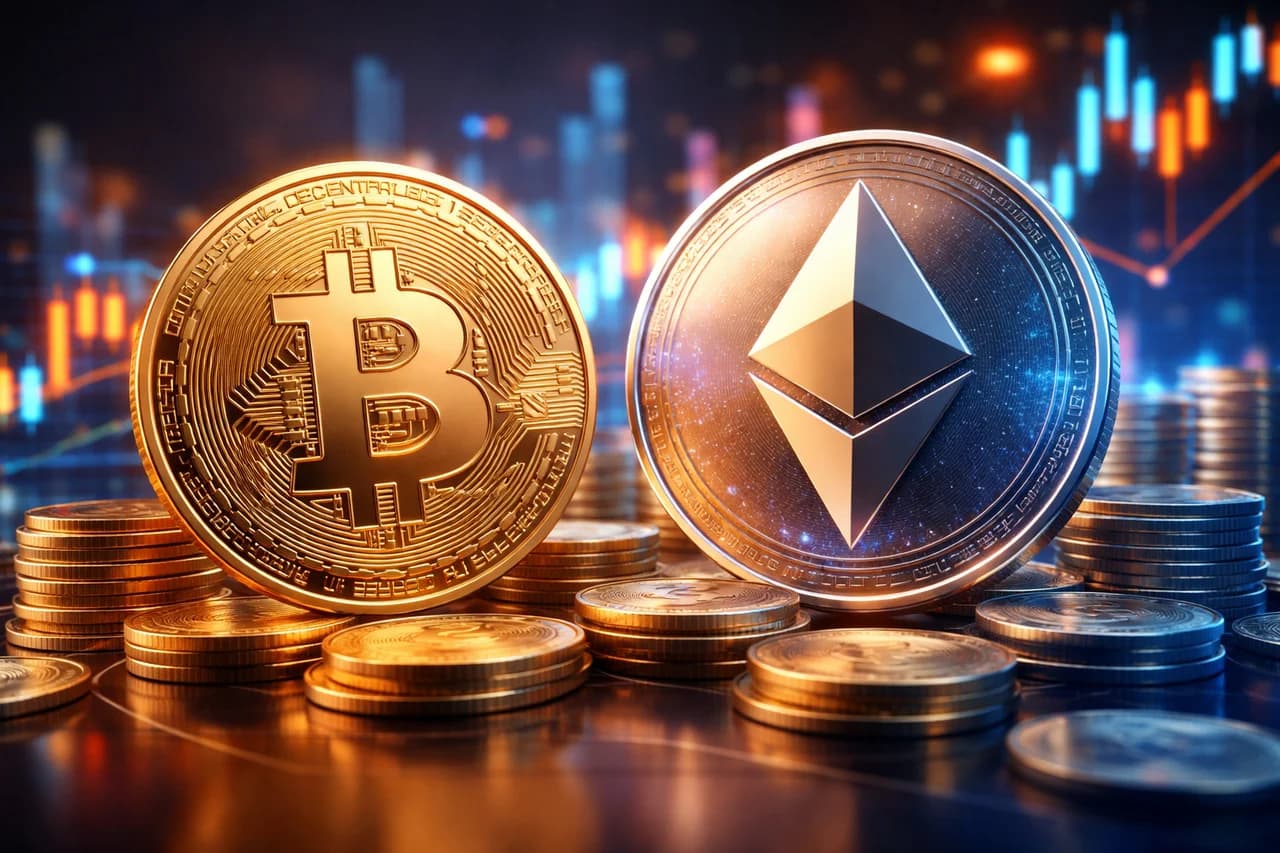
An analysis has emerged that Bitcoin (BTC) and Ethereum (ETH), the two leading representatives of the virtual asset market, show distinct differences in terms of structure and role. While both assets maintain their positions as top-tier coins by market capitalization, their design purposes and the criteria by which they are evaluated in the market differ significantly.
Bitcoin as a 'Store of Value'... Sensitive to Macroeconomic Variables Bitcoin is classified as an asset with strong characteristics as a store of value. It has a limited supply structure, earning it the reputation of a scarcity-based asset. For this reason, the market often interprets Bitcoin's price movements alongside those of inflation-hedge assets or alternative safe-haven assets.
In recent years, global asset management firms have successively launched Bitcoin-related products, broadening the channels through which traditional financial capital flows in. As a result, the trend of Bitcoin moving in correlation with traditional assets such as stocks and bonds has become more pronounced than before. The growing influence of macroeconomic variables—such as interest rate policies, the strength of the U.S. dollar, and global liquidity conditions—on Bitcoin's price is also not unrelated to this trend.
Ethereum as an 'Infrastructure Asset'... Platform Utilization is Key In contrast, Ethereum has strong characteristics as an infrastructure asset that powers blockchain-based services. A variety of services, including DeFi (Decentralized Finance), NFTs, token issuance, gaming, and decentralized applications, operate based on the Ethereum network. Additionally, as Layer 2 networks built on top of Ethereum expand, the ecosystem's foundation is broadening.
As such, Ethereum's valuation tends to be determined by the platform's own utilization, including network usage, developer ecosystem activity, and on-chain transaction volume. While Bitcoin places its identity heavily on being a store of value and a medium of payment, the core variable for Ethereum is how effectively it functions as a technological platform in attracting services and capital.
Role Differences Spreading Across the Industry... What are the Key Points to Watch? These differences in role are also spreading throughout the related industry. Companies involved in Bitcoin mining have a structure that is highly sensitive to changes in profitability after the halving, electricity costs, and mining difficulty adjustments. On the other hand, companies linked to the Ethereum ecosystem have business structures directly tied to platform utilization, such as staking services, Layer 2 infrastructure, and DeFi protocols.
In South Korea, there is a growing trend of exchanges like Upbit introducing Bitcoin and Ethereum as assets with different investment characteristics. This demonstrates that the difference in the roles of the two assets is increasingly being recognized among the broader investor base.
However, both assets share the commonality that their short-term volatility can increase depending on changes in the regulatory environment and investor sentiment. Going forward, the key points to watch include the direction of virtual asset-related regulatory policies in major countries, including the United States, and changes in how institutional funds allocate their investments between Bitcoin and Ethereum. Depending on the trajectory of these variables, it remains to be seen how the market standing and role distinctions of the two assets will unfold.
[※ This article is intended for informational purposes only, and investment decisions and their respective responsibilities lie solely with the investor. Virtual assets are subject to extreme price volatility, so please exercise caution when investing. This article was partially assisted by AI.]
CBC Globe publishes verified stories with editorial review, source checks, and tenant-specific publication standards.
Related Articles
Ripple (XRP) Price Recovers Above $1... Whale Wallets Increase and Active Addresses Surge 84%

Shiba Inu (SHIB) Ecosystem Expansion is Key... Meme Coin Volatility Risk Remains
Direction of Virtual Asset Market Liquidity Gauged by Bitcoin (BTC)… Investors Watching Closely