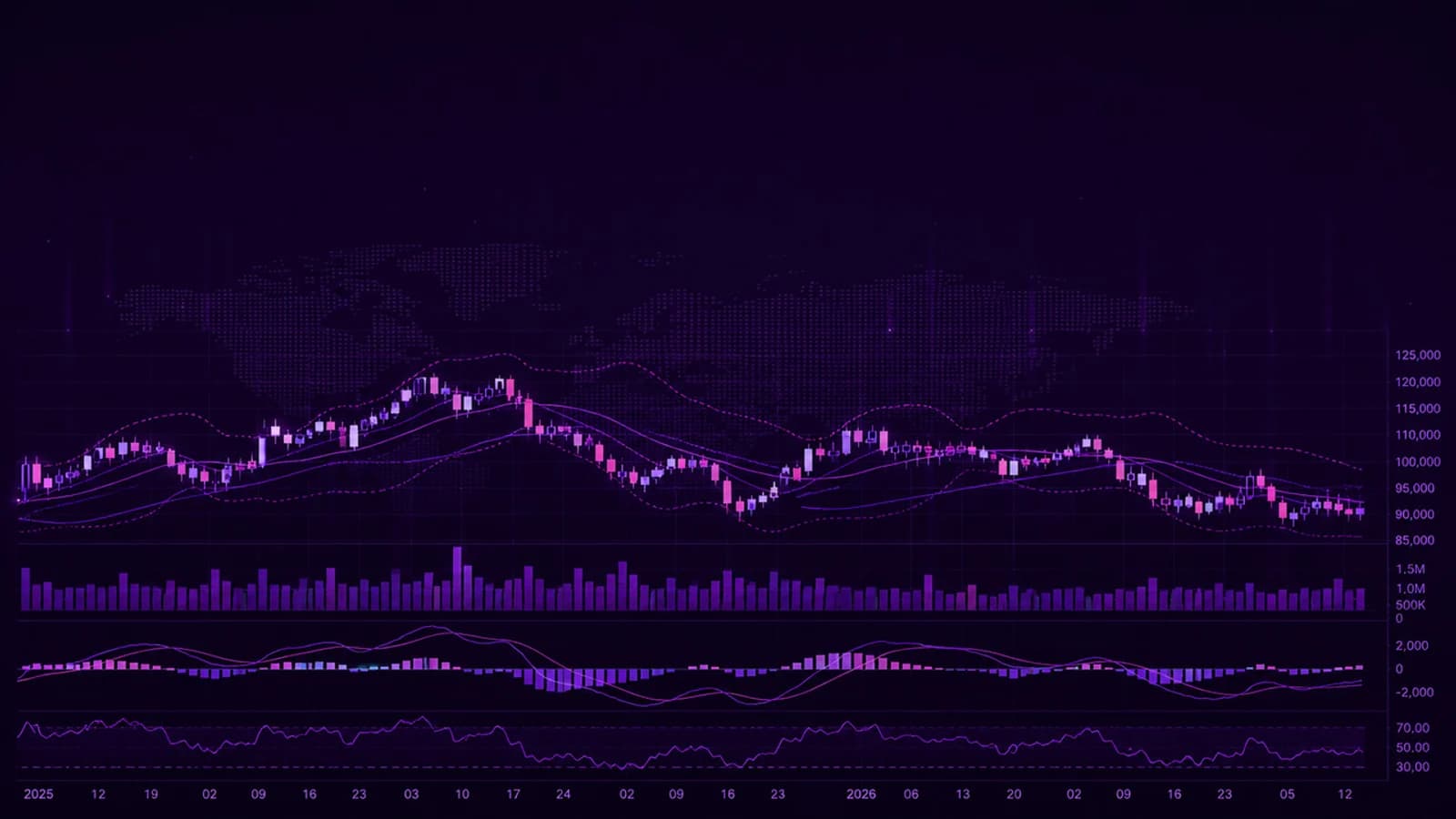
[Economic Preview] U.S. S&P 500 Closes at All-Time High… KOSPI Semiconductor Direction and Middle East Risk as Key Variables
[Economic Preview] U.S. S&P 500 Closes at All-Time High… KOSPI Semiconductor Direction and Middle East Risk as Key Variables On the 14th, the first hurdle for the domestic stock market will be whether it can sustain the strong momentum from U.S. markets. However, with accumulated upward fatigue in
[Economic Preview] U.S. S&P 500 Closes at All-Time High… KOSPI Semiconductor Direction and Middle East Risk as Key Variables
On the 14th, the first hurdle for the domestic stock market will be whether it can sustain the strong momentum from U.S. markets. However, with accumulated upward fatigue in the semiconductor and electrical/electronics sectors, coupled with ongoing U.S.-Iran military tensions, the market is expected to be one where simple optimism is difficult to justify.
■ U.S. Stock Market at All-Time High… Tech Stocks Rally On July 13 (local time), the S&P 500 index in the U.S. stock market closed at 7,798.99, up 50.49 points (0.65%) from the previous session, setting a new all-time closing high. The Dow Jones Industrial Average rose 69.72 points (0.13%) to 53,839.99, and the Nasdaq Composite gained 214.54 points (0.81%) to close at 26,803.03.
■ Large-Cap Semiconductor Stocks to Dictate Market Direction Investor attention in Korea is naturally expected to turn to large-cap semiconductor stocks. This is because expectations for expanded AI infrastructure investment and increasing memory demand are叠加with the strength in U.S. tech stocks. Given their heavy weighting in the KOSPI, the movements of Samsung Electronics and SK Hynix themselves could directly determine the index's direction.
The key issue is the continuity of the upward trend. If additional capital flows in while buying pressure remains concentrated, the momentum will likely persist. However, if profit-taking emerges following short-term surges, individual stocks could see significant divergence from the early hours of trading. Whether foreign and institutional investors further expand their semiconductor holdings is also a key supply-demand signal.
■ Watch for Expansion of Buying into Electrical and Electronic Component Stocks Electrical and electronic component stocks, including Samsung Electro-Mechanics, also warrant attention. Expectations of increased demand for high-specification components driven by expanded investment in AI servers and data centers are serving as market catalysts. Forecasts for growing demand for key components such as Multi-Layer Ceramic Capacitors (MLCC) and substrates remain intact, making whether buying interest spreads from semiconductors to components and infrastructure areas a key focus.
■ Middle East Situation and Oil Prices as the Biggest External Variables The most significant external variable that could shake the domestic stock market is the Middle East situation. If the U.S.-Iran conflict is prolonged, short-term funds may pour into oil, defense, shipbuilding, and power-related stocks. Conversely, if tensions escalate faster than expected, a strengthened preference for safe-haven assets could burden the broader market.
International oil prices have recently weakened due to demand slowdown concerns and inventory buildups, but the structure is such that a reversal is possible at any time depending on the Middle East situation. Stable oil prices would alleviate inflation concerns, but if supply fears mount due to an expanded conflict, it could lead to a resurgence of inflation and a flight from risk assets.
■ Cryptocurrencies, Theme Rotation, and Small-Cap Risks The cryptocurrency market presents a different picture from the U.S. stock market. Major coins such as Bitcoin and XRP continue to experience volatility driven more by trading volume and short-term supply-demand rather than clear trends. Some suggest that the recovery of trading value, rather than price, is the benchmark for judging the sustainability of a rebound.
In the domestic stock market, stocks related to nuclear power, power equipment, robotics, optical communications, and regional development, in addition to semiconductors, could become targets for rotational buying. In a market with rapid theme rotation, capital tends to concentrate heavily in stocks with specific order, policy, earnings, or disclosure catalysts rather than lifting entire sectors.
For small-cap and low-priced stocks, verifying disclosure details takes precedence over return rates. If risks related to designation as administrative issues, trading halts, or listing maintenance requirements materialize, liquidity can shrink rapidly in a short period. In particular, companies with weak financial structures or those barely meeting market capitalization thresholds must have their disclosures examined closely.
■ Overall Outlook Even if the domestic stock market on the 14th starts in a favorable environment supported by the strength of the U.S. stock market and tech stocks, the intraday flow is not expected to be straightforward. The key questions are whether large-cap semiconductor stocks like Samsung Electronics and SK Hynix will lead the market, or whether profit-taking from existing gainers will accelerate capital rotation between themes. With the overlapping variables of the Middle East situation and international oil prices, the disparity in market sentiment based on supply-demand dynamics and individual stock catalysts is likely to be greater than what the index level suggests.
[Investment products with high price volatility, such as stocks and cryptocurrencies, carry the risk of principal loss. The stocks and assets mentioned in this article are not investment recommendations, and investment decisions and responsibilities lie solely with the investor. This article was written with AI assistance.]
CBC Globe publishes verified stories with editorial review, source checks, and tenant-specific publication standards.
Related Articles
Hyundai Motor Stock Recovers 260,000 Won Level... Reappraisal in Focus as Morgan Stanley Forecasts 'KOSPI 10,000 Era'
MyData-Related Stocks Broadly Higher on the 18th... Fasoo AI Surges Over 21%, PioLink Also Rises by Double Digits
Mixed Fortunes for 'Samteknics' Despite NVIDIA's Strong Earnings… Samsung Electronics Falls, SK Hynix Rises