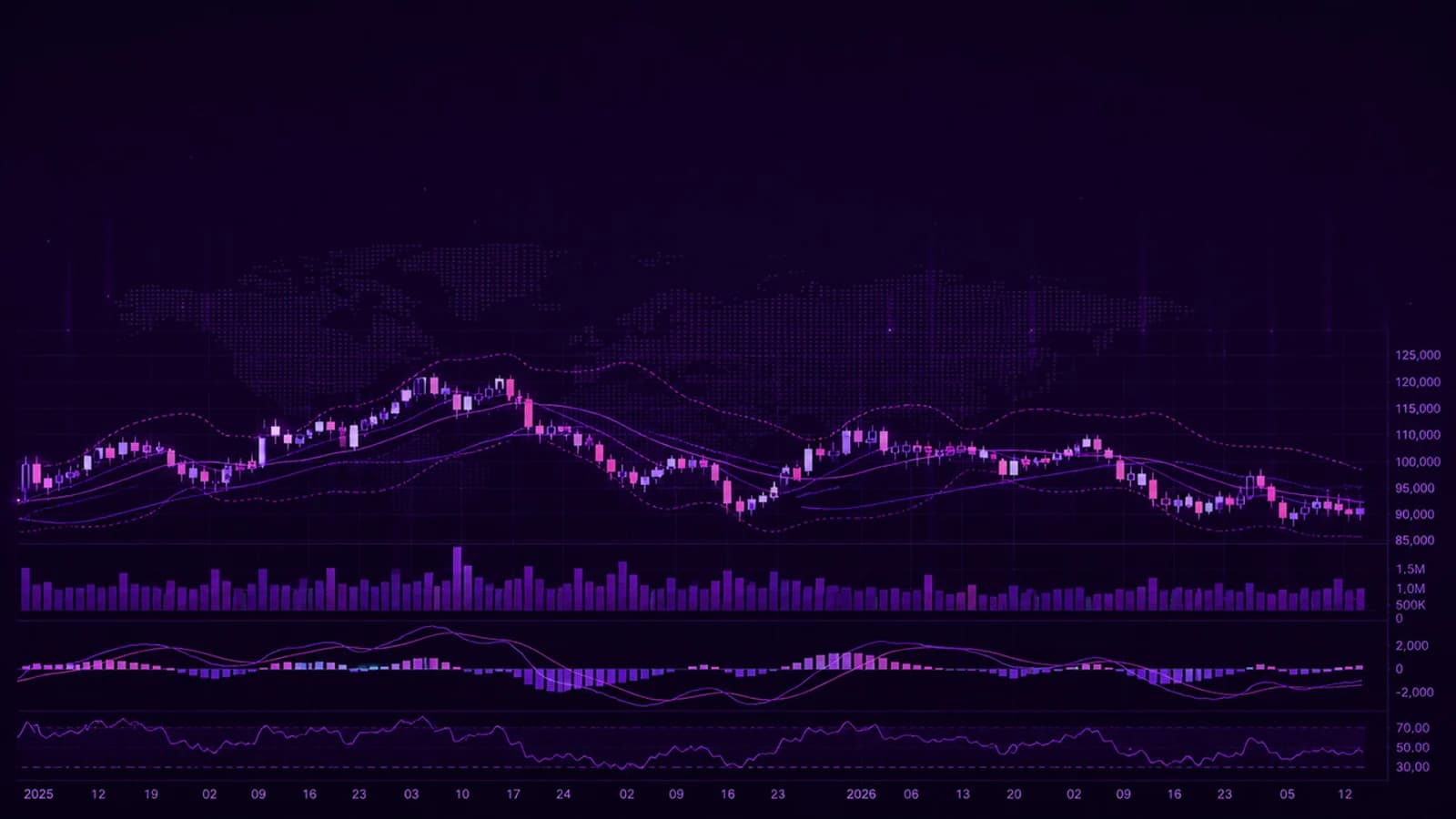
Silicon Two Closes Down 9.83% After Surging 22% the Previous Day… Room for Target Price Upside Remains
**Silicon Two (257720) Drops 9.83% Amid Profit-Taking Following Previous Day's Surge** Silicon Two (257720) closed at 40,800 won on the KOSDAQ market on August 13, down 4,450 won (-9.83%) from the previous trading day. The stock opened at 44,300 won and rose to as high as 44,550 won during the sess

Silicon Two (257720) Drops 9.83% Amid Profit-Taking Following Previous Day's Surge
Silicon Two (257720) closed at 40,800 won on the KOSDAQ market on August 13, down 4,450 won (-9.83%) from the previous trading day. The stock opened at 44,300 won and rose to as high as 44,550 won during the session, but selling pressure intensified, pushing it down to a low of 40,200 won. Trading volume for the day was 2,627,447 shares, with a trading value of approximately 110.3 billion won.
Pullback After Surge… Peer Stocks Also Decline Together
This decline is largely a pullback following the previous trading day (August 12), when Silicon Two surged 5,200 won (12.98%) to reach 45,250 won. It is common for stocks that have risen sharply in a short period to give up some of their gains the following trading day as profit-taking sell orders emerge. In particular, when a stock surges driven solely by supply and demand dynamics without clear additional catalysts, volatility tends to expand if follow-through buying does not materialize. The peer industry change rate also recorded -8.17% on this day, showing a similar pullback pattern across the sector.
Investment Indicators & Valuation
- Market Capitalization: 2.6755 trillion won (30th on KOSDAQ)
- Shares Outstanding: 65,576,252
- Foreign Ownership Ratio: 8.24% (5,403,652 shares held)
- Investment Opinion: Buy, Target Price 55,500 won
- 52-Week High: 56,100 won / Low: 29,850 won
- PER (as of March 2026): 14.53x, Estimated PER: 11.80x (lower than the peer industry average of 18.49x)
- PBR: 5.43x, Dividend Yield: 0.75%
Key Points to Watch Going Forward
After a sharp rise and fall, stocks often go through a price stabilization process over several days, during which a tug-of-war between buyers and sellers continues. Trading volume and changes in foreign and institutional supply-demand dynamics on the next trading day may serve as a reference for gauging future direction. However, this is an explanation of general market patterns, and the specific cause of this decline has not been confirmed.
[This article was written with AI assistance. This article is not intended to solicit investment, and the final judgment and responsibility for investments lie with the investor.]
CBC Globe publishes verified stories with editorial review, source checks, and tenant-specific publication standards.
Related Articles
Gold Price Today: How Much Is Gold?… Attention Focuses on July CPI and PPI Inflation Data as International Gold Price Surpasses $4,500

Doosan Enerbility Maintains '80,000 Enerbility' for Second Consecutive Day... Stock Price Trend on the 14th Ahead of Holiday Weekend 'Draws Attention'

EITC Major Overhaul in 2027: Dual-Income Threshold Raised by 8 Million Won, Up to 9% Payment Increase Under Review