[IPO Listing] Ingenia Therapeutics to List on KOSDAQ on the 18th... IPO Price at 12,000 Won, First Step into the Market with 'LCIDEC' Platform
Ingenia Therapeutics will meet investors for the first time as it lists on the KOSDAQ market on the 18th. As a bio company whose core competitiveness lies in its proprietary platform technology that removes disease-related proteins using vascular endothelial cells, how the market's evaluation forms

Ingenia Therapeutics will meet investors for the first time as it lists on the KOSDAQ market on the 18th. As a bio company whose core competitiveness lies in its proprietary platform technology that removes disease-related proteins using vascular endothelial cells, how the market's evaluation forms after the listing is a key point to watch.
■ IPO Price of 12,000 Won... Overall Subscription Competition Ratio of 3.09 to 1
Ingenia Therapeutics' IPO price was set at 12,000 won, with Samsung Securities as the lead underwriter. The company conducted the public subscription for general investors from July 30 to 31, recording a final overall subscription competition ratio of 3.09 to 1. The proportional allocation competition ratio was 5.18 to 1, with the final number of subscription applications tallied at 20,448.
The company filed for preliminary listing review on January 30 and received approval on May 21. It then submitted its securities report, conducted demand forecasting for institutional investors and the general subscription, and completed the allocation, payment, and refund procedures on August 4.
■ Core Competitiveness Is the 'LCIDEC' Platform
At the center of the company's technology is the 'LCIDEC' (Ligand Capture Internalization Degradation in Endothelial Cells) platform. According to the company, LCIDEC was developed with two main functions. First, it activates TIE2, a vascular endothelial cell receptor, to normalize the vascular endothelial cell layer. It is also designed to capture and effectively remove disease-related proteins circulating in the blood.
Ingenia Therapeutics is researching and developing bispecific antibodies that link antibodies and protein fragments recognizing target proteins that cause various diseases to TIE2 antibodies. In proof-of-concept experiments conducted by the company, it was confirmed that the bispecific antibodies bind to disease-causing target proteins and then rapidly internalize and degrade them inside cells, the company explained. The core concept of the LCIDEC platform is a structure that does not simply bind to specific proteins but moves them inside cells for removal.
In particular, the fact that candidate substances targeting different disease-related proteins can be developed based on a single platform is expected to be a major factor in judging the company's future R&D scalability. However, since actual new drug development requires proving safety and efficacy through preclinical and clinical trials, the platform's proof-of-concept results and its likelihood of commercial success need to be examined separately.
■ Clinical and Pipeline Results Key to Valuing the Company
In the stock market, bio companies' share prices after listing often move significantly depending not only on technological prowess but also on clinical progress, technology transfer potential, R&D costs, and financing conditions. In particular, for companies still in the R&D stage, clinical results of individual candidates or changes in development schedules can directly affect their valuation.
For Ingenia Therapeutics as well, the level of results the LCIDEC platform demonstrates in actual pipeline development is likely to be the key evaluation criterion after listing. Rather than judging the post-listing share price trend solely based on the subscription competition ratio seen during the IPO process, investors should also check the technology development stage, commercialization plans, and R&D progress.
Attention is focused on whether Ingenia Therapeutics, taking its first step into the KOSDAQ market on the 18th, can prove its technological distinctiveness based on its proprietary LCIDEC platform, and how the market's assessment of newly listed bio stocks will be reflected in the share price. How much potential for a 'double-double' gain exists in this era of recession is another point to watch.
[Newly listed IPO stocks may see greatly expanded share price volatility in the early listing period due to supply and demand imbalances. The IPO price and subscription competition ratio do not guarantee a post-listing share price increase, and bio companies' valuations can vary greatly depending on clinical trial and R&D results, so investor caution is required. This article was written with AI assistance.]
CBC Globe publishes verified stories with editorial review, source checks, and tenant-specific publication standards.
Related Articles

Hanong Chemical Shares Fall for Second Straight Session… Trading at 11,300 Won Amid Nasdaq Plunge and Weakness in Both Indices

Naver Stock Falls to 170,000 Won... Nvidia's 4.12% Plunge Weighs on Tech Investor Sentiment
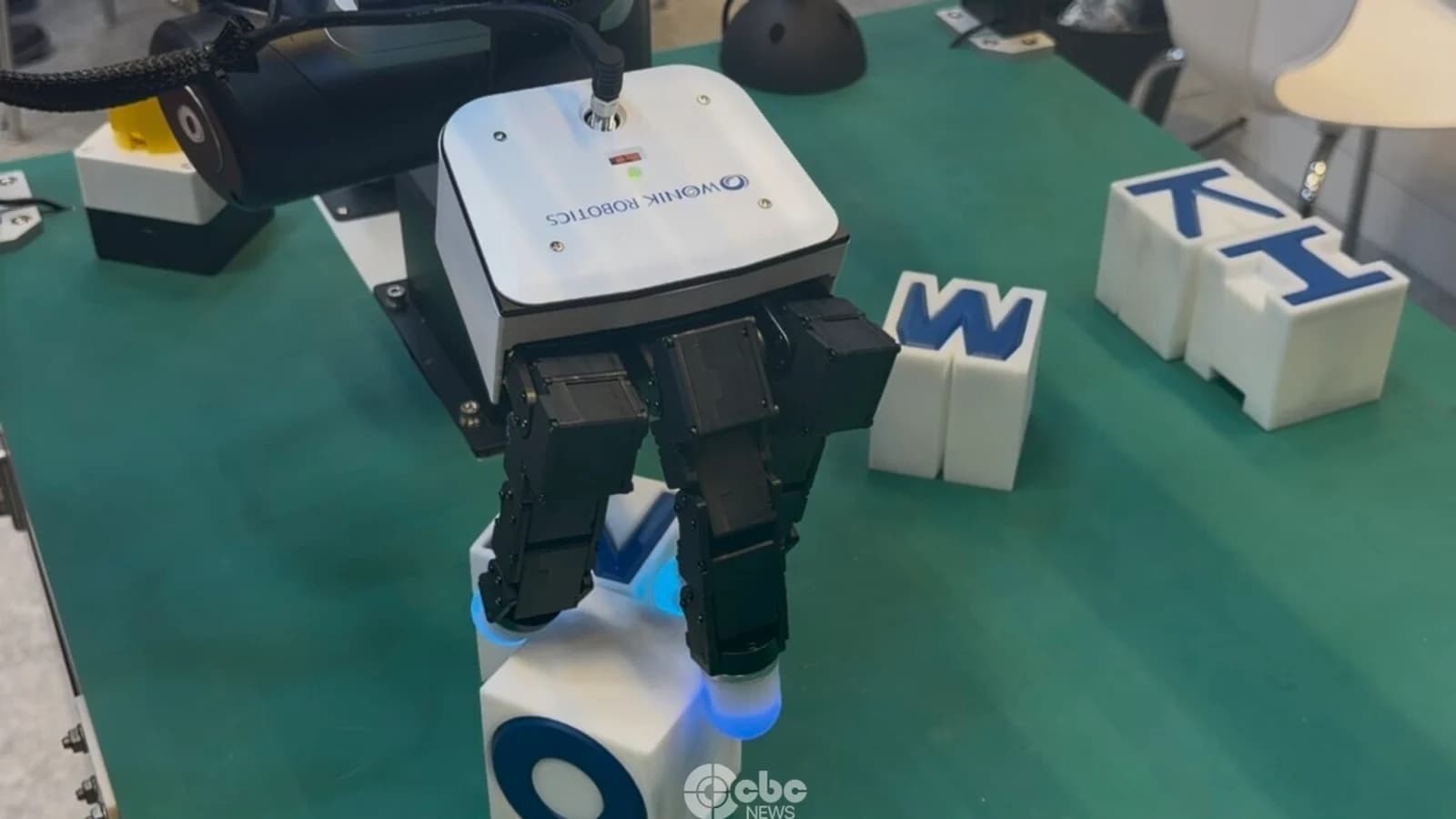
Wonik Holdings Shares Rise 3.55%... Robot Hand 'Allegro' Expectations Drive Second Straight Day of Gains Amid Weak Market