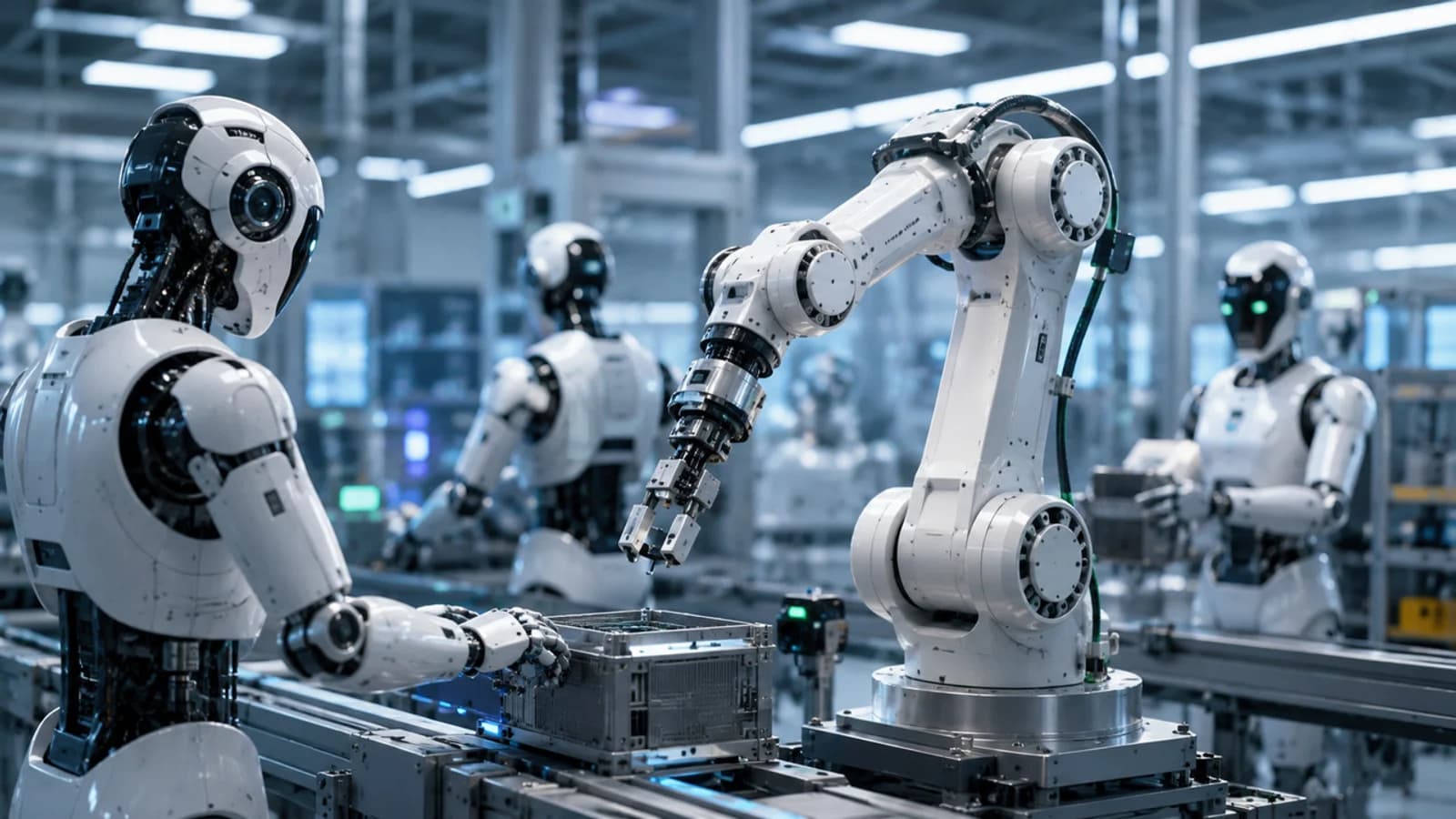
NVIDIA to Deploy Additional 2 Million GPUs on AWS... Will Samsung Electronics and SK Hynix Benefit from HBM?
As NVIDIA announced a large-scale artificial intelligence (AI) infrastructure expansion plan with Amazon Web Services (AWS), attention is focused in the Korean semiconductor industry on the potential impact on Samsung Electronics and SK Hynix. However, based on what has been disclosed so far, it is
As NVIDIA announced a large-scale artificial intelligence (AI) infrastructure expansion plan with Amazon Web Services (AWS), attention is focused in the Korean semiconductor industry on the potential impact on Samsung Electronics and SK Hynix. However, based on what has been disclosed so far, it is difficult to conclude that this AWS investment plan will directly translate into specific orders or earnings growth for the two companies.
2 Million Additional GPUs to Be Deployed on AWS in 2027–2028
NVIDIA and AWS announced on the 26th (local time) that they would expand their strategic collaboration and deploy an additional 2 million NVIDIA GPUs on AWS's global infrastructure from 2027 to 2028. The lineup includes Blackwell Ultra, Rubin, and Rubin Ultra.
This announcement can be interpreted as an industry environment favorable to Korean memory makers, given that global AI infrastructure investment continues to expand. Since AI accelerators use high-performance memory, including high-bandwidth memory (HBM), the expansion of GPU shipments could act as a driver of increased memory demand.
Insufficient Grounds to Interpret This as 'Direct Orders' for Samsung Electronics and SK Hynix
However, a distinction is necessary here. The materials released by AWS and NVIDIA did not separately present supply volumes, contract sizes, or market shares for Samsung Electronics or SK Hynix. Therefore, there are insufficient grounds to directly interpret the additional deployment of 2 million GPUs as new orders for Samsung Electronics or SK Hynix.
As a major supplier of HBM for NVIDIA's AI accelerators, SK Hynix may be relatively more frequently mentioned in connection with this deal. However, the extent to which SK Hynix products will be used in this additional AWS deployment cannot be confirmed from the publicly available materials.
Samsung Electronics also holds product lines related to AI data centers, including HBM, server DRAM, and NAND flash, so it may be cited as an indirect beneficiary of expanding AI infrastructure investment. However, no specific supply contracts or volumes have been confirmed in this AWS-NVIDIA project.
What Is Confirmed Is the 'AI Data Center Expansion' Trend... NVHBM Cooperation Also Draws Attention
Rather, the more objective fact that can be confirmed from this announcement is that the scale of AI data center construction continues to expand. AWS had previously announced plans to add more than 1 million NVIDIA GPUs starting in 2026, and has now unveiled a plan to deploy an additional 2 million GPUs in 2027–2028. The company explained that AI demand is growing faster than previously expected.
NVIDIA and AWS are broadening their cooperation beyond GPUs to include Vera CPUs, NVLink Fusion, high-bandwidth memory technology, and robotics. In particular, the two companies stated that they will pursue the adoption of NVHBM, NVIDIA's customized high-bandwidth memory technology, together with memory makers. This is a point where future connections with Korean memory makers could be examined, but at this stage, which companies will participate has not been specifically disclosed.
A Cautious Approach: Viewing It as an 'Industry Signal' for the Next-Generation HBM Market
Rather than designating Samsung Electronics and SK Hynix as direct beneficiaries, it is a more prudent approach to view this as one of the industry signals that can confirm whether the next-generation HBM market is expanding.
Ultimately, this AWS deployment of 2 million additional GPUs is closer to a development showing that global AI infrastructure investment remains at a high level, rather than a definitive positive for Samsung Electronics and SK Hynix. Whether the two companies will actually benefit can be more accurately judged once the composition of HBM suppliers for NVIDIA's next-generation GPUs, supply volumes, prices, yields, and contract terms with each customer are confirmed. At this stage, it is necessary to approach the matter at the level of confirming the direction of the relationship between expanding AI infrastructure investment and the Korean memory market.
[Stock prices can exhibit heightened volatility depending on corporate earnings, industry conditions, merger terms, and market supply and demand. Securities firms' analyses and forecasts may differ from actual future results and do not guarantee returns on any specific stock. Before making investment decisions, it is necessary to comprehensively review companies' official disclosures, financial conditions, and business progress. This article is not intended to recommend the purchase or sale of any specific stock. This article was written with AI assistance.]
CBC Globe publishes verified stories with editorial review, source checks, and tenant-specific publication standards.
Related Articles

Bank of Korea Raises Base Rate to 3.00%... Governor Rhee Chang-yong: "Preemptive Response 'With a Hoe' Before Inflation Grows"
Samchundang Pharm Rises for Second Consecutive Day... Searching for Direction in the 170,000-Won Range After Sharp Decline
Renewable Energy Stocks Diverge... Hanwha, DJEM, and Hyein Surge While Korea Electric Power Plunges