
Lee Chan-won and Jung Seo-joo's 'Ul-eomma': One Song, Two Emotions — Traditional Trot Appeal vs. the Lingering Echo of a Clear Voice
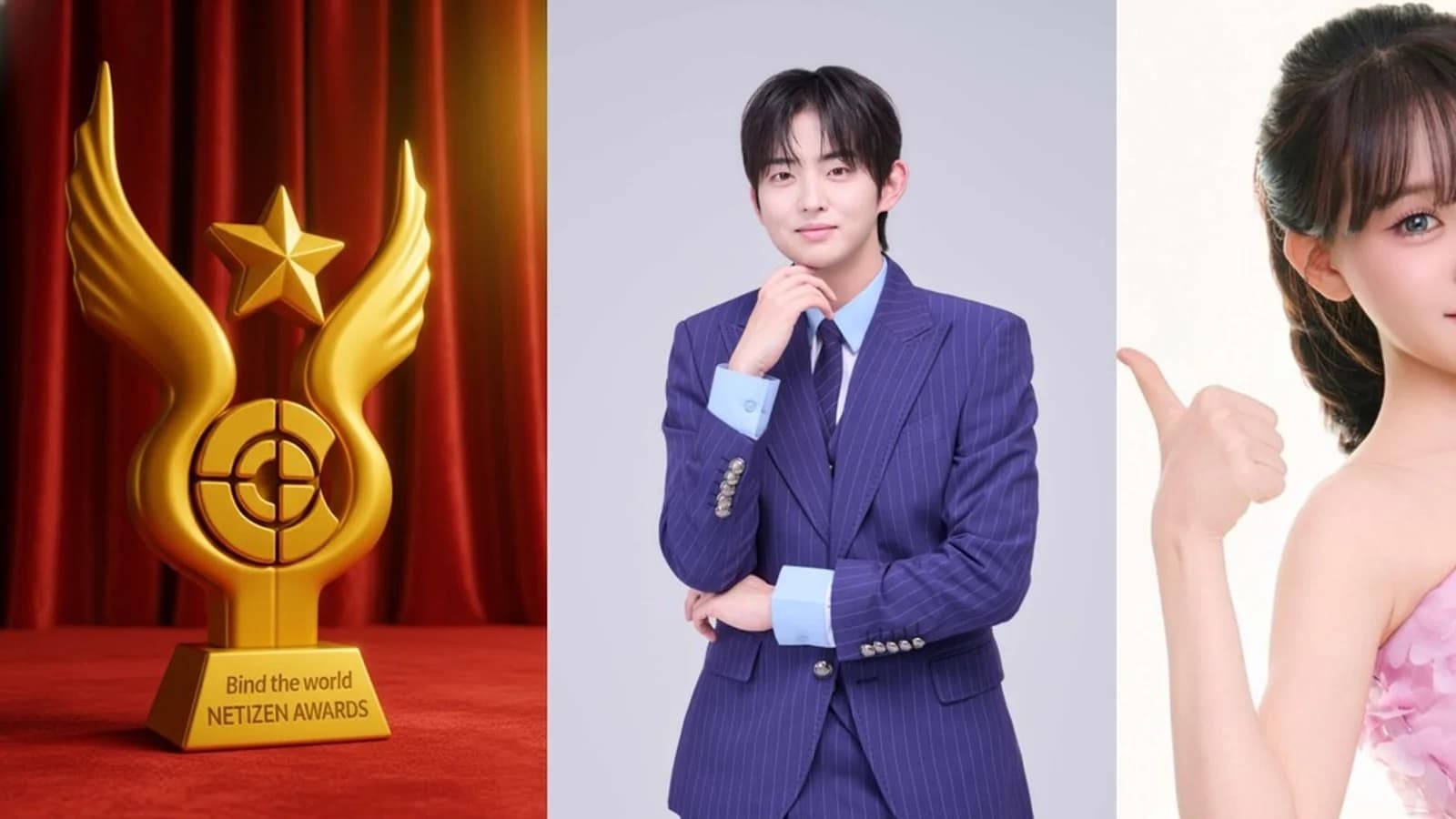
Singers Lee Chan-won and Jung Seo-joo are each performing the same song, 'Ul-eomma' (My Dear Mother), in their own distinct styles, creating a striking contrast. Both sing of their feelings toward their mothers, but while Lee Chan-won delivers the song with the rich flavor and emotional appeal of tr

Singers Lee Chan-won and Jung Seo-joo are each performing the same song, 'Ul-eomma' (My Dear Mother), in their own distinct styles, creating a striking contrast. Both sing of their feelings toward their mothers, but while Lee Chan-won delivers the song with the rich flavor and emotional appeal of traditional trot, Jung Seo-joo interprets it with a clear and delicate vocal tone. As 'Ul-eomma' is a song centered on longing and deep affection for one's mother, how the emotion is conveyed matters just as much as vocal skill.
Lee Chan-won: Heartfelt Emotion Through the Depth of Traditional Trot
In Lee Chan-won's performances, the signature bends (kkeokki) of traditional trot and his powerful vocalization grab the ear first. He articulates the lyrics clearly while drawing out the ends of notes and adjusting dynamics to convey his earnest feelings toward his mother.
In particular, Lee Chan-won tends to draw the song's emotion outward in a big way. As the chorus builds, he puts more power into his voice, fully bringing out the flavor of trot and completing the song like a single heartfelt ode of longing. Listeners who prefer the sentiment of familiar traditional Korean pop may feel a stronger resonance from Lee Chan-won's version.
Jung Seo-joo: Understated Depth That Lingers Through a Clear Tone
Jung Seo-joo's approach to 'Ul-eomma' is fundamentally different. Rather than pushing with power, she foregrounds her clear, clean vocal tone and sings the lyrics calmly and with restraint, drawing the emotion inward. The unadorned quality conveyed by her youthful voice反而 makes the song's sorrow and longing stand out more vividly.
She does not put excessive technique on display, instead connecting note after note in a relatively neat and orderly fashion. The clarity of her voice combined with restrained expression transforms the poignant quality of the original into a different color, and her ability to draw listeners naturally into the lyrics is also worth noting as a strength.
Which Version Suits Your Taste?
Comparing the two performances, Lee Chan-won can be summed up as 'the depth of traditional trot,' while Jung Seo-joo is 'the lingering resonance of a clear vocal tone.' If Lee Chan-won unfolds his emotions grandly to strike the heart, Jung Seo-joo quietly builds emotion and leaves a lasting impression until the very end. Though it is the same 'Ul-eomma,' the mood each performance conveys is considerably different.
If you want soulful trot and powerful emotional appeal, Lee Chan-won's version may resonate more; if you prefer tender affection delivered through an unadorned, crystal-clear voice, Jung Seo-joo's version may be more impressive.
What to Watch in the September Netizens' Awards
Meanwhile, Jung Seo-joo and Lee Chan-won have each shown outstanding performances in the September Netizens' Awards. This month's key points to watch are whether Jung Seo-joo will continue her streak of first place in the Female Singer category, and whether Lee Chan-won will leap to the top ranks in the Male Singer category.
[※ This article is a culture and music piece comparing the two singers' vocal techniques and interpretations of the song based on publicly available performances and related materials; some expressions may vary depending on appreciation and interpretation. This article was written with AI assistance.]
CBC Globe publishes verified stories with editorial review, source checks, and tenant-specific publication standards.
Related Articles
![[C Photo] Red Velvet's Joy Exudes Black Velvet Mood... Attends Dior Beauty Pop-Up Event](/_next/image?url=https%3A%2F%2Fmedia.cbcglobe.com%2Ftenants%2Fcbc00000-0000-4000-8000-000000000001%2Fmedia%2Fcbc%2F2026%2F09%2F604611%2F6671da71fbf3cf8d%2Fvariants%2Fhero.webp&w=1920&q=75)
[C Photo] Red Velvet's Joy Exudes Black Velvet Mood... Attends Dior Beauty Pop-Up Event
Haru vs. Kim Da-hyun 'Green Grape Love' Cover Comparison: Refreshing Vocal Tone vs. Soulful Traditional Trot
![[C Photo] Nam Joo-hyuk Exudes Tough-Guy Charisma at Dior Beauty Pop-Up](/_next/image?url=https%3A%2F%2Fmedia.cbcglobe.com%2Ftenants%2Fcbc00000-0000-4000-8000-000000000001%2Fmedia%2Fcbc%2F2026%2F09%2F604612%2Febf847c51f1ea478%2Fvariants%2Fhero.webp&w=1920&q=75)
[C Photo] Nam Joo-hyuk Exudes Tough-Guy Charisma at Dior Beauty Pop-Up
![[C Photo] Kim Yuna Attends Dior Beauty Popup... The Queen's Graceful Luxury](/_next/image?url=https%3A%2F%2Fmedia.cbcglobe.com%2Ftenants%2Fcbc00000-0000-4000-8000-000000000001%2Fmedia%2Fcbc%2F2026%2F09%2F604613%2F75aa7caf657a2402%2Fvariants%2Fhero.webp&w=1920&q=75)