
As U.S.-Iran Conflict Prolongs, Altcoin Volatility May Widen... Watch 'Liquidity' Before Themes
As the armed conflict between the United States and Iran drags on, the altcoin market — the collective term for cryptocurrencies other than Bitcoin — is exposed to the possibility of widening volatility. If U.S.-Iran tensions shake energy transportation, oil prices, and inflation outlooks, investor
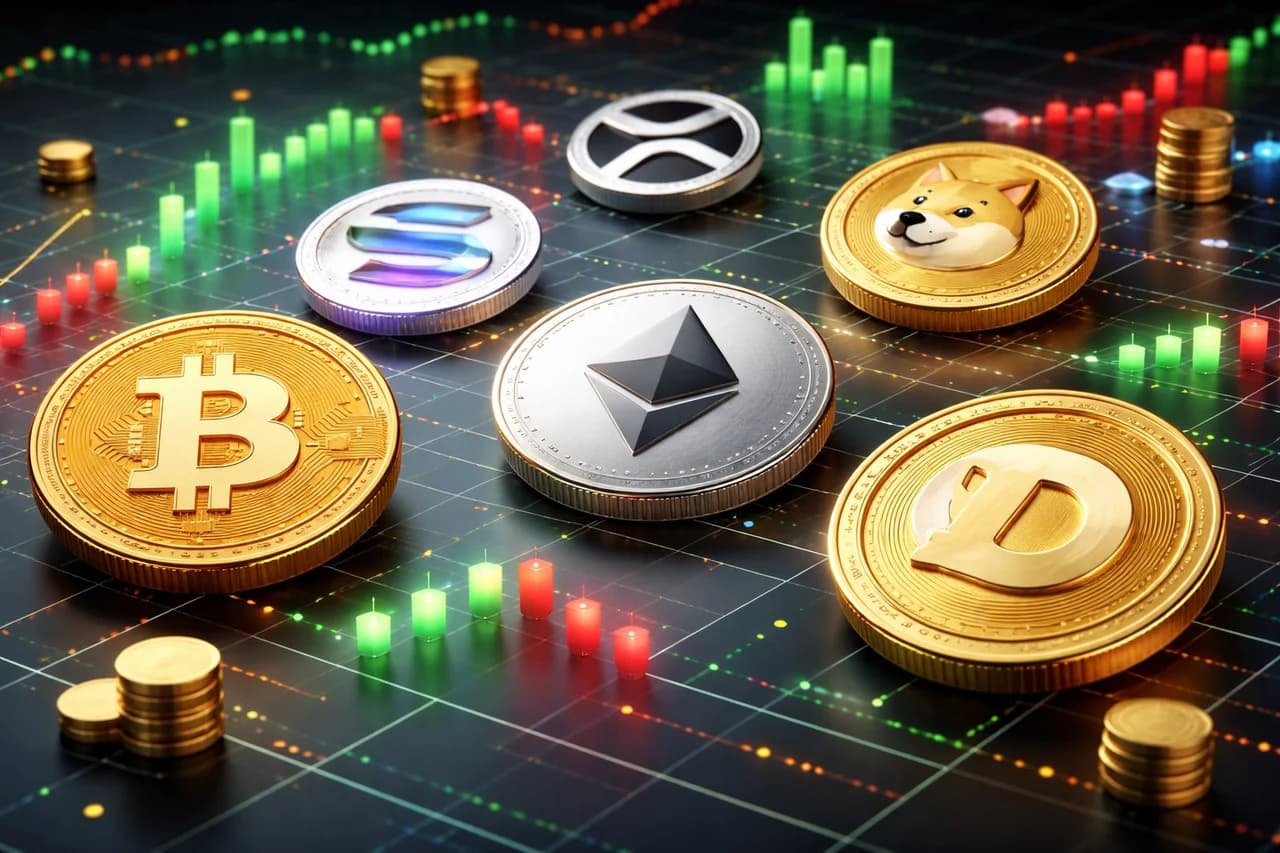
As the armed conflict between the United States and Iran drags on, the altcoin market — the collective term for cryptocurrencies other than Bitcoin — is exposed to the possibility of widening volatility.
If U.S.-Iran tensions shake energy transportation, oil prices, and inflation outlooks, investor sentiment toward risk assets as a whole could contract. In particular, altcoins, which have relatively thin liquidity, may show larger price swings than Bitcoin. With hostilities between the two countries continuing and concerns over maritime energy transport routes growing, wariness over international oil prices and financial markets has also heightened.
An Altcoin Market That Themes Alone Cannot Explain
The term altcoin originated from 'alternative coin,' but today it is difficult to lump them into a single character. Altcoins include platform tokens that run applications and financial services based on smart contracts; layer-2 tokens that aim to address the fees and processing speed issues of existing blockchains; tokens related to decentralized finance (DeFi) services; stablecoins; thematic tokens tied to artificial intelligence (AI), gaming, social media, and decentralized physical infrastructure (DePIN); and meme coins.
▶ Platforms and Layer 2 = Smart contract platform projects can grow their ecosystems as developers and users increase and services expand. However, network performance, fees, security levels, and differentiation from competing blockchains must be continuously validated. Layer-2 projects also aim for faster and cheaper transactions, but actual usage volume and the role each token plays in the network's value-creation structure vary from project to project.
▶ DeFi = This sector is tied to decentralized exchanges, deposits, lending, liquidity provision, and derivatives services. Rather than judging growth potential by the size of deposited assets alone, one should also examine actual fee revenue, collateral soundness, smart contract security, token reward structures, and governance rights. Even when high rewards are offered, if the source of those rewards is concentrated in new token issuance, both price and liquidity can be shaken simultaneously as market conditions change.
▶ Stablecoins = Designed to be pegged to the value of fiat currencies such as the U.S. dollar, stablecoins are distinct in character from general altcoins, but they are foundational assets supporting trading, remittances, payments, and DeFi liquidity in the cryptocurrency market. During periods of market unrest, stablecoin supply and exchange inflows can serve as auxiliary indicators for tracking capital flows. However, one should not conclude that an expansion in supply directly translates into buying pressure for cryptocurrencies.
▶ RWA = This field seeks to handle rights to traditional financial assets such as government bonds, funds, real estate, and credit products on the blockchain. In this area, verifying what rights token holders actually have, how the underlying assets are managed, who the issuing and custodial parties are, and whether regulatory safeguards are in place takes precedence over technology.
What Variable Does the U.S.-Iran Conflict Pose for Altcoins?
The U.S.-Iran conflict is not a variable directly tied to individual altcoins' technologies or business performance. However, if an escalation of the conflict drives up oil prices, which in turn adds to inflation and interest rate burdens, risk-averse sentiment could spread. In this process, tokens with smaller market capitalizations and lower trading liquidity may be more vulnerable to selling pressure.
Conversely, an easing of tensions or a reduction in macro uncertainty could set the stage for a recovery in risk appetite, but it does not guarantee a rebound in individual altcoins.
Liquidity Over Themes... Items to Check
When evaluating altcoins, rather than names or themes, one should verify together the actual product, user numbers, revenue or fee income, token circulation, future unlock schedules, the holdings of foundations and early investors, and exchange liquidity.
In times of heightened geopolitical uncertainty, rather than reacting to sharp price swings themselves, an approach that first examines overall market liquidity and changes in risk appetite is necessary.
[This article is an informational piece based on publicly available market data and international developments, and it does not recommend the purchase, sale, or holding of any specific cryptocurrency. Cryptocurrencies are highly volatile and principal is not guaranteed; geopolitical situations, technical analyses, and market outlooks may differ from actual outcomes. Investment decisions and responsibilities rest with the investor. AI was used in the writing process of this article for organizing materials and composing sentences.]
CBC Globe publishes verified stories with editorial review, source checks, and tenant-specific publication standards.
Related Articles

72 Public Holidays and 10 Long Weekends in 2027... Two Days of Annual Leave at Chuseok Could Bring a '9-Day Golden Holiday'

BESTIE's 'Love Options' Reverse-Run Boom… Full Mobilization on All Three Terrestrial Networks with Music Bank, Music Core, and Inkigayo

Ríenne's 'With' Collaboration Music Video with Disney's 'Hex: The Witches' Kingdom' Revealed... First K-pop Girl Group Song Featured in Disney End Credits
