
Complete Guide to Checking and Applying for National Health Insurance Refunds: Payments Begin for 2.26 Million People, Averaging 1.36 Million Won Each for 2025 Medical Costs
Households that faced heavy hospital bills may soon see an unfamiliar deposit in their bank accounts. Typical examples include people who visited multiple hospitals for chronic conditions and accumulated medical receipts, and households whose medical expenses surged beyond expectations due to overla
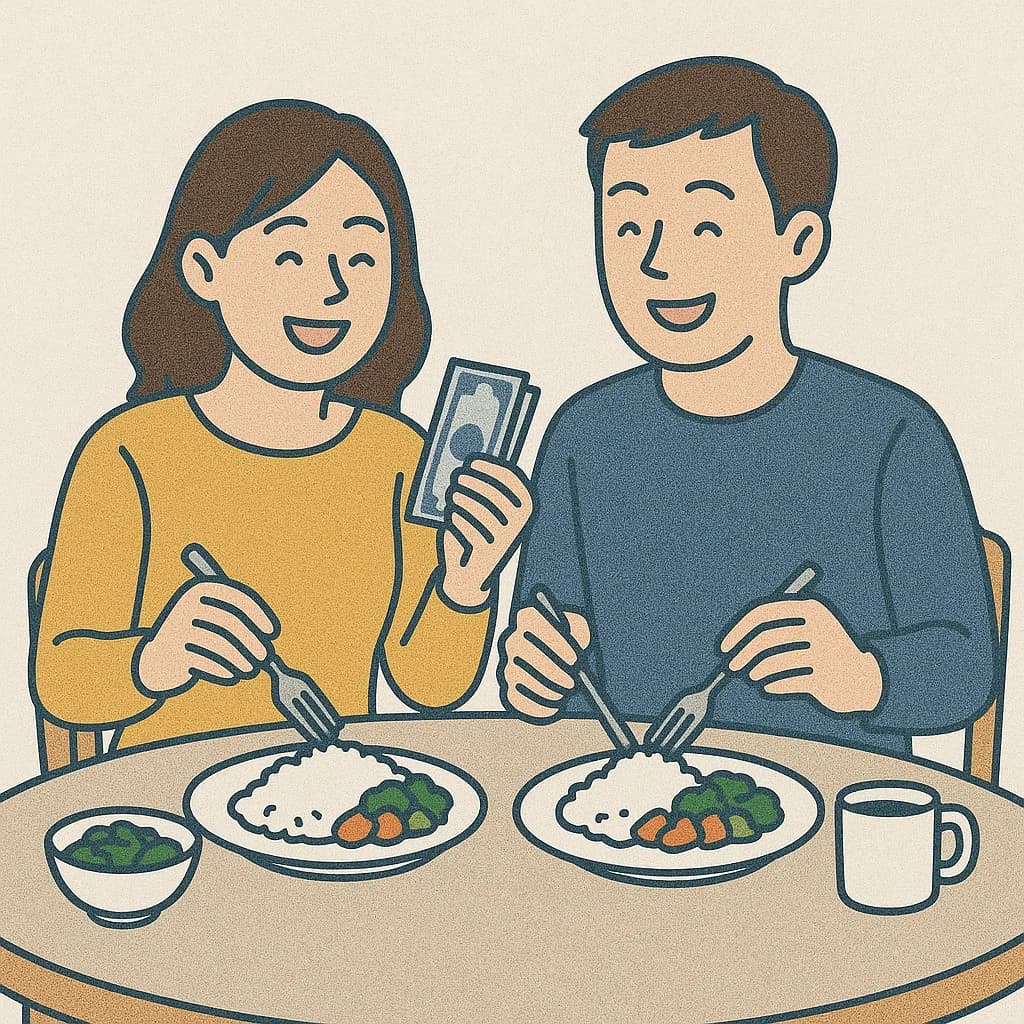
Households that faced heavy hospital bills may soon see an unfamiliar deposit in their bank accounts. Typical examples include people who visited multiple hospitals for chronic conditions and accumulated medical receipts, and households whose medical expenses surged beyond expectations due to overlapping surgeries and hospitalizations.
The Ministry of Health and Welfare and the National Health Insurance Service (NHIS) announced that individual out-of-pocket maximum amounts for 2025 medical care have been finalized, and the refund payment process for excess amounts began on August 31. This year, the refunds will reach about 2.26 million people totaling 3.076 trillion won, with an average refund of approximately 1.36 million won per person.
Refunds Based on the 'Out-of-Pocket Maximum System'... Non-Covered and Selective Benefits Excluded
National Health Insurance refunds are based on the out-of-pocket maximum system. If a person's total annual co-payments exceed their individually set cap, the NHIS covers the difference and returns it to subscribers and their dependents.
Only amounts actually paid by patients for health insurance-covered items are eligible; non-covered services and selective benefits are excluded. As of 2025, individual caps range from 890,000 won to 10.74 million won depending on income level.
2.26 Million People, 3.076 Trillion Won... Concentrated Among Low-Income and Elderly
This year's payment targets total 2,262,605 people, with total payments of 3.076 trillion won, up 5.9% in recipients and 10.2% in payment amounts from 2024.
Refunds are concentrated among low-income and elderly groups. Those in the bottom 50% income bracket account for 2,016,503 people, or 89.1% of all recipients, and 2.3556 trillion won, or 76.6% of total payments. Those aged 65 and older account for 1,310,761 people, or 57.9% of recipients, and 2.0596 trillion won, or 67% of total payments.
Meanwhile, for 27,742 people whose co-payments at a single medical institution already exceeded the maximum cap of 8.26 million won, the institution claimed directly from the NHIS, which paid 184.6 billion won to those institutions first. Excluding this amount, the actual number of individual payment recipients is 2,261,271.
Payment Method Depends on Account Registration... Automatic Payments Begin September 2
The payment method depends on prior registration. For the 1,312,819 people who pre-registered a refund consent account, payments will be automatically deposited into their own accounts starting September 2 without any separate procedure.
For those without registered accounts, the NHIS will send a notice including an application form. Starting this year, electronic documents will be sent first via Naver, the KT PASS app, and KakaoTalk in that order, converting to mail only for those who do not view them.
After receiving the notice, recipients can apply for payment to their own accounts through the NHIS website, the Health Insurance 24/7 mobile app, fax, phone, mail, or in-person visits. Once consent is given for the refund consent account item, future excess amounts will be automatically received without application, and even those without pending refunds can pre-register an account through the NHIS customer center.
Deductions for Those with Arrears... Three Variables to Watch
However, under Article 44, Paragraph 3 of the National Health Insurance Act, effective October 8, those with unpaid insurance premiums or collection amounts will have refunds paid after deducting arrears, so subscribers with such records need to verify.
Three variables remain to be seen. First, whether the notice actually reaches recipients' own accounts and whether anyone is omitted from the priority electronic document distribution. Second, how much the actual payment will decrease after deductions for those with arrears. Third, how the regulation taking effect next year — imposing a 90% patient contribution for outpatient visits exceeding 300 per year — will affect medical usage patterns of chronic disease patients and large households remains to be seen.
[This article is based on announcements from the Ministry of Health and Welfare and the National Health Insurance Service. For accurate confirmation of individual refund eligibility, exact amounts, and application procedures, it is best to verify with the NHIS or its customer center. Related policies and payment standards may change in the future. AI assisted in part.]
CBC Globe publishes verified stories with editorial review, source checks, and tenant-specific publication standards.
Related Articles

Will Monday, September 28 Be a Holiday for the 2026 Chuseok Break? A Regular Working Day, Not a Substitute Holiday, Sparks Heated Debate Over a Temporary Holiday Designation
Complete Horoscope by Zodiac Sign for Tuesday, September 22, 2026 — Overall, Love, Money, and Health Fortunes Plus Lucky Colors, Numbers, and Time Slots

MBN 'The Man of Legend' Episode 11 Chuseok Special 'Paldo Specialty Grand Feast'... 8 Teams Compete for Regional Pride, Airing on the 23rd at 9:40 PM
![[Breaking] Kiwoom Heroes Select Dong-eui Science College Pitcher Park Se-jun in 5th Round of Rookie Draft](/_next/image?url=https%3A%2F%2Fmedia.cbcglobe.com%2Ftenants%2Fcbc00000-0000-4000-8000-000000000001%2Fmedia%2Fcbc%2F2026%2F09%2F608706%2Fe3189f5aff198268%2Fvariants%2Fhero.webp&w=1920&q=75)