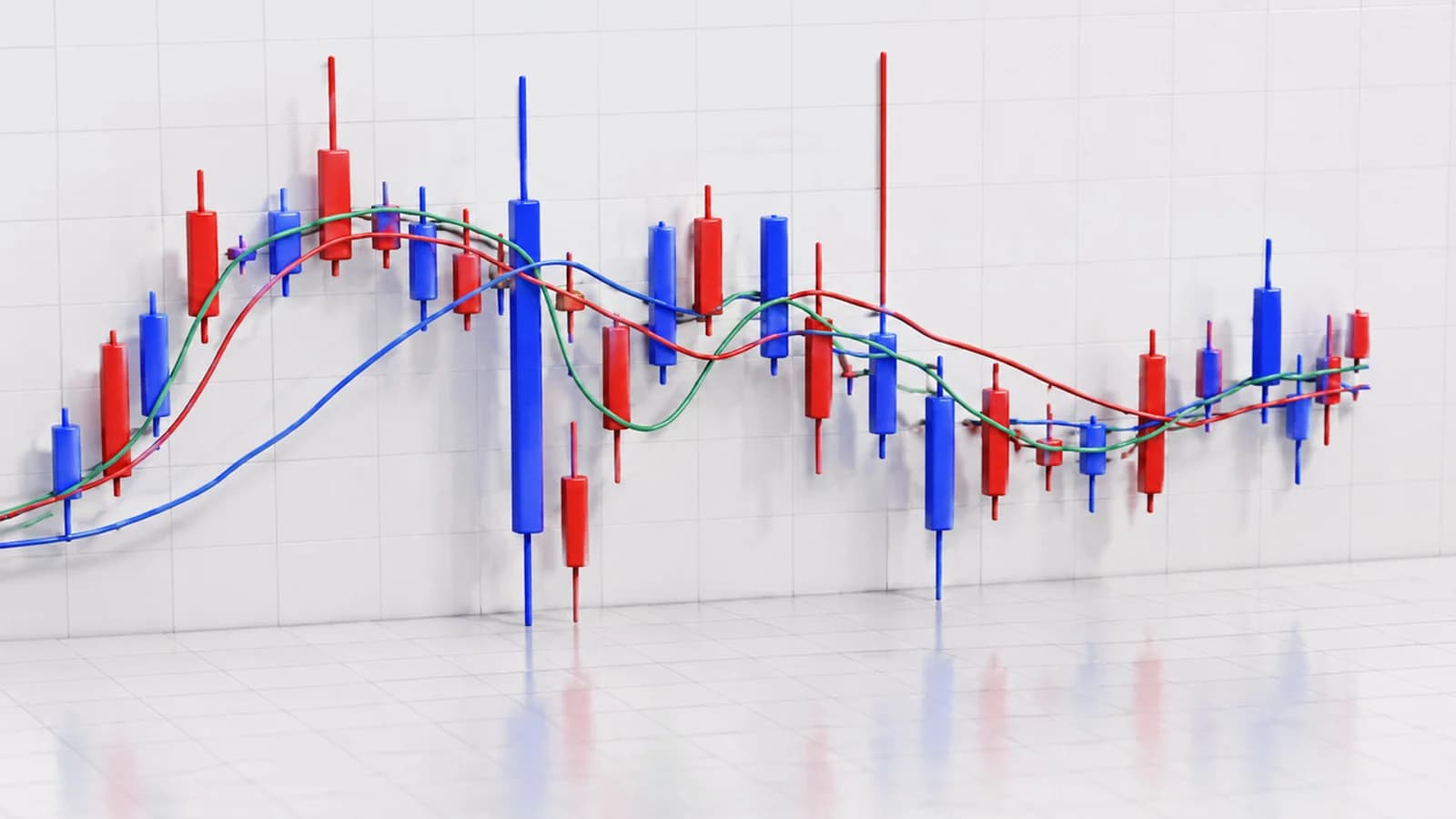
Korean Stock Market Closed for Chuseok While New York Stock Exchange Opens as Usual... KOSPI Trading to Resume at 9 a.m. on the 28th
On September 25, the day of Chuseok (Korean Thanksgiving), the Korean stock market was closed, but the New York Stock Exchange began trading as usual. While price movements in the KOSPI and KOSDAQ have come to a halt, trading by global investors continues on the New York Stock Exchange (NYSE) and Na

On September 25, the day of Chuseok (Korean Thanksgiving), the Korean stock market was closed, but the New York Stock Exchange began trading as usual. While price movements in the KOSPI and KOSDAQ have come to a halt, trading by global investors continues on the New York Stock Exchange (NYSE) and Nasdaq. Attention is focused on what impact this will have on the domestic market after the holiday.
Korean Stock Market Closed... Trading Resumes Monday, September 28 at 9 a.m.
The domestic stock market was closed on the 25th for the Chuseok holiday. No trading took place in the KOSPI and KOSDAQ on the 24th and 25th, and the weekend follows on Saturday the 26th and Sunday the 27th. The domestic market will resume regular trading at 9 a.m. on Monday, the 28th.
In contrast, the U.S. stock market opened as usual on the 25th. September 25 is not included as a holiday in the 2026 U.S. stock market holiday schedule released by Nasdaq. Regular trading hours in U.S. Eastern Time run from 9:30 a.m. to 4 p.m., meaning the U.S. regular session began at 10:30 p.m. on the 25th, Korean time.
While the Korean market rests for Chuseok, the Dow Jones Industrial Average, the S&P 500 index, and the Nasdaq Composite are all moving in the U.S. market.
New York Market Flat in Early Trading... AI Optimism Offsets Oil Price and Interest Rate Burdens
In early trading, the New York market moved within a relatively limited range. According to Reuters, major U.S. stock indices showed flat movement shortly after the open on the 25th, as expectations related to artificial intelligence (AI) partially offset the burden of rising international oil prices and U.S. Treasury yields. Uncertainty surrounding the Middle East situation was also cited as a variable the market is watching.
In particular, domestic investors should pay attention to the Nasdaq's movement. The Nasdaq Composite closed at 26,939.37 on the 24th, up 0.01% from the previous trading day. Having fallen 1.13% on the 23rd, the index has recently been showing intraday volatility.
Post-Holiday Variables for the Domestic Market... Nasdaq, Semiconductor and AI Stocks, Oil Prices, Treasury Yields
The fact that the U.S. market trades normally even while the Korean market is closed can become a variable for the domestic market after the holiday. In particular, movements in the Nasdaq and U.S. semiconductor and AI-related stocks can serve as reference indicators for gauging sentiment in domestic semiconductor and growth stocks.
International oil prices and U.S. Treasury yields are also variables to watch. Recently, the New York market has been simultaneously digesting oil price movements driven by the Middle East situation and rising Treasury yields. On the 24th, major U.S. indices showed weakness at the open due to the burden of rising oil prices and Treasury yields, before the Nasdaq ultimately closed up 0.01%.
For domestic investors, this holiday is a period when trading is halted, but price information continues to be generated in overseas markets. It is worth examining whether changes in indices and major stocks seen in the U.S. market on the 24th and 25th will be reflected in investor sentiment when the domestic market reopens on the 28th.
Ultimately, the picture on the 25th shows a clear divergence between Korea and the United States. While the KOSPI and KOSDAQ are halted for the Chuseok holiday in Korea, the New York market is trading normally in the U.S. How the U.S. market, including the Nasdaq, semiconductor and AI stocks, international oil prices, and U.S. Treasury yields move before the domestic market reopens at 9 a.m. on the 28th will be a key point of interest for the first trading session after the holiday.
[This article is an informational piece based on the market and chart data provided, and does not guarantee the rise or fall of any specific stock or index, nor does it recommend buying or selling. Market indicators can change rapidly depending on circumstances, and responsibility for losses from investment lies with the investor. AI was used for some sentences and data organization.]
CBC Globe publishes verified stories with editorial review, source checks, and tenant-specific publication standards.
Related Articles
Saeronix Extends Stock-Collateralized Loan for L&F; Largest Shareholder Stake Unchanged at 22.08%
Naver Edges Up to 191,900 Won... Hanwha Investment & Securities Estimates Q3 Below Consensus, AI Data Center Visibility in Focus
NC Shares Rise 3.91% to 239,000 Won... Hyundai Motor Securities Raises Target Price to 380,000 Won on AION2's Success