
Where to See the Chuseok Full Moon… 15 Moon-Viewing Spots in Seoul, Gyeonggi, and Incheon
A Complete Guide to 15 Moon-Viewing Spots in the Capital Region — Seoul, Gyeonggi, and Incheon — for Chuseok With Chuseok approaching, attention is turning to spots in the capital region where families can gaze at the full moon and make wishes. From parks overlooking downtown Seoul to mountain summ
A Complete Guide to 15 Moon-Viewing Spots in the Capital Region — Seoul, Gyeonggi, and Incheon — for Chuseok
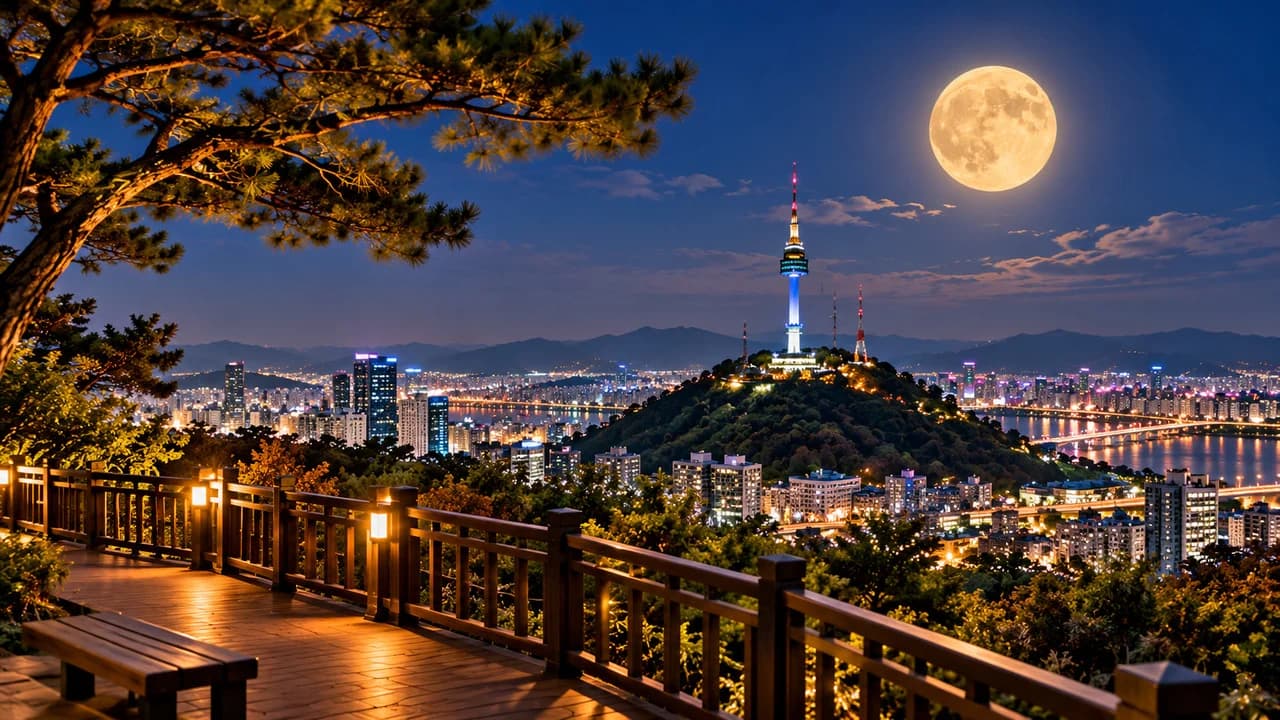
With Chuseok approaching, attention is turning to spots in the capital region where families can gaze at the full moon and make wishes. From parks overlooking downtown Seoul to mountain summits, lakes, fortress walls reminiscent of royal palaces, and observatories facing the West Sea, each location offers a different atmosphere for enjoying the Chuseok full moon.
The Korea Meteorological Administration (KMA), in its Chuseok moon-viewing weather information, lists 15 major spots in the capital region: 6 in Seoul, 8 in Gyeonggi Province, and 1 in Incheon.
■ Six Spots in Seoul… Enjoy the Moon with City Nightscape from High Vantage Points
In Seoul, the listed spots are Naksan Park, Namsan Park (Seoul Tower), Mabongsan Park, Seokchon Lake, Achasan, and Haneul Park. A distinctive feature is that many of these locations allow visitors to enjoy the moon along with Seoul's night view from elevated terrain.
• Naksan Park = A representative fortress wall trail spot easily accessible from downtown Seoul. With little strain of climbing a high mountain, visitors can view both the fortress wall and cityscape, making it ideal for combining an evening stroll with moon-viewing. After sunset, it presents a different scene from daytime, with city lights blending with the fortress wall.
• Namsan Park (Seoul Tower) = A signature moon-viewing spot in Seoul. Located in central Seoul, it is easily accessible and offers wide views of the city from a height. The area around Seoul Tower allows visitors to capture both the night view and the full moon in a single frame.
• Mabongsan Park = Offers views of the Han River and downtown Seoul. Unlike large tourist attractions, it provides a relatively tranquil atmosphere for enjoying the night view, making it a good spot for moon-viewing combined with a Chuseok evening walk.
• Seokchon Lake = Allows moon-viewing in the city without climbing a mountain. Walking paths line the lake, ideal for families and couples, with views of high-rise buildings' night lights reflected on the water. Unlike mountain spots, the terrain is relatively flat.
• Achasan = A representative moon-viewing spot in eastern Seoul. It overlooks the Han River and eastern Seoul, offering open views from ridges and lookout points. However, visitors should bring safety equipment and use designated hiking trails in preparation for darkening mountain paths after sunset.
• Haneul Park = True to its name ('Sky Park'), it is built on high ground and offers wide-open skies and views of Seoul. It is also famous for its autumn silver grass, making it suitable for enjoying both the seasonal atmosphere and moon-viewing around Chuseok.
■ Eight Spots in Gyeonggi… Fortresses, Mountains, Riverside, and Observatories
In Gyeonggi Province, eight spots were listed: Gangwonheon (Silleuksa Temple), Namhansanseong Fortress, Nongdachi Hill, Dobongsan Mountain's Mangwolsa Temple, Baegundae Peak, Odusan Unification Observatory, Chungnyeongsan Mountain, and Haengjusanseong Fortress.
• Gangwonheon (Silleuksa Temple) = Located in the Silleuksa Temple area of Yeoju, it is characterized by scenery where the river and traditional pavilion blend together. Unlike viewing from a mountaintop, it is a unique spot where water, traditional architecture, and moonlight combine.
• Namhansanseong Fortress = Allows visitors to experience the fortress walls, mountain terrain, and capital region night views all at once. Walking through this historic space while enjoying the full moon creates an atmosphere different from typical observatories. Some sections of the fortress trail offer broad views of the surroundings, so arriving before sunset to watch the scenery change from dusk to moonrise is another option.
• Nongdachi Hill = Uses its high terrain to view the sky. Unlike the middle of a city, visitors can experience the autumn night sky amid the surrounding natural environment.
• Dobongsan Mangwolsa Temple and Baegundae Peak = Suitable for visitors seeking mountain moon-viewing. While mountaintops may offer wide-open views, the risks of night hiking must also be considered. Rather than pushing toward the summit, visitors should prioritize safety, taking their fitness and sunset time into account.
• Odusan Unification Observatory (Paju) = An observatory spot with geographic characteristics different from ordinary mountains or parks. Visitors can plan itineraries such as exploring the scenery by day and observing the changing sky toward evening. However, operating hours and admission availability should be confirmed in advance.
• Chungnyeongsan Mountain = A mountain spot with lush natural surroundings. Visitors can feel the autumn atmosphere in nature away from urban artificial lighting, but should pay special attention to temperature changes and nighttime travel.
• Haengjusanseong Fortress = Offers both the Han River and historic ruins. It is easily accessible from Gyeonggi areas near Seoul. However, cultural heritage sites may have restricted nighttime entry hours, so visitors should check operating information before visiting.
■ One Spot in Incheon… with the Distinctive Nightscape of a Port City
In Incheon, Wolmisan Observatory was listed as a moon-viewing spot. It offers views of downtown Incheon, the harbor, and the sea. Unlike the mountain-type spots of Seoul and Gyeonggi, its distinguishing feature is the port city's distinctive night view. For those visiting Incheon on Chuseok evening, combining an outing to the Wolmido area with moon-viewing is also an option.
■ Weather Determines Moon-Viewing Success… What to Check Before Visiting
Visiting a famous spot does not guarantee a clear view of the full moon. The key variable for moon-viewing is the weather. Even within the capital region, cloud distribution and precipitation can differ by area, affecting moon visibility, so it is important to check the KMA's latest forecast and cloud conditions before departing.
On Chuseok evening, crowds are also likely to flock to famous lookout points. Popular spots such as Namsan, Haneul Park, and Seokchon Lake may see congestion in public transportation and nearby roads.
In mountainous areas, temperatures drop and hiking trails darken after sunset, so basic preparations such as flashlights and warm clothing are needed. Parks, observatories, temples, and cultural heritage sites each operate differently, which should also be confirmed. Even spots known for moon-viewing may have admission hours that do not align with moonrise. For those driving, it is advisable to check parking lot operating hours and entry restrictions in advance.
There is no need to travel to distant regions to see this year's Chuseok full moon. Moon-viewing is possible at city parks and lakes in Seoul, fortresses, mountains, riversides, and observatories in Gyeonggi, and sea and harbor scenery in Incheon. Even the same full moon offers greatly different backdrops and atmospheres depending on where it is viewed from.
If planning a Chuseok evening outing, it is best to first choose a nearby moon-viewing spot, then check hourly weather conditions, facility operating information, and transportation options in order. In particular, if choosing a mountain or fortress, planning a safe return home is as important as viewing the moon itself.
[This article was written based on Chuseok moon-viewing spot information provided by the Korea Meteorological Administration. Weather conditions, facility operating hours, and access may change on-site, so visitors should check KMA forecasts and official facility announcements before visiting. Some sentences and editing were assisted by AI based on public materials.]
CBC Globe publishes verified stories with editorial review, source checks, and tenant-specific publication standards.
Related Articles
![[2026 Chuseok Special Film] 'Eldest Grandson' to Air September 26 on KBS1... Conflict and Choices of a Three-Generation Tofu Factory Family](/_next/image?url=https%3A%2F%2Fmedia.cbcglobe.com%2Ftenants%2Fcbc00000-0000-4000-8000-000000000001%2Fmedia%2Fcbc%2F2026%2F09%2F609467%2F61a334b47268f3cb%2Fvariants%2Fhero.webp&w=1920&q=75)
[2026 Chuseok Special Film] 'Eldest Grandson' to Air September 26 on KBS1... Conflict and Choices of a Three-Generation Tofu Factory Family

Saturday, September 26 Zodiac Fortunes Complete Guide…Overall Luck, Love Luck, Lucky Colors and Time Slots
![[2026 Chuseok Special Film] 'Doctor Strange in the Multiverse of Madness' Airs September 25 at 10:10 p.m. on tvN... Key Viewing Points of the Multiverse](/_next/image?url=https%3A%2F%2Fmedia.cbcglobe.com%2Ftenants%2Fcbc00000-0000-4000-8000-000000000001%2Fmedia%2Fcbc%2F2026%2F09%2F609427%2Fd7e302111db80fa5%2Fvariants%2Fhero.webp&w=1920&q=75)
[2026 Chuseok Special Film] 'Doctor Strange in the Multiverse of Madness' Airs September 25 at 10:10 p.m. on tvN... Key Viewing Points of the Multiverse