
Ko Yoeng Shares Fall to 39,350 Won... Foreign Investors Buy for 9+ Consecutive Sessions vs. Retail Investors Selling for 7 Straight Days in 'Supply-Demand Standoff'
Ko Yoeng was trading at 39,350 won, down 3,150 won from the previous session, showing weakness during the morning session on the 8th. While the stock price is undergoing a correction, the supply and demand by investor type is far from simple. Foreign investors have continued net buying for nine or m
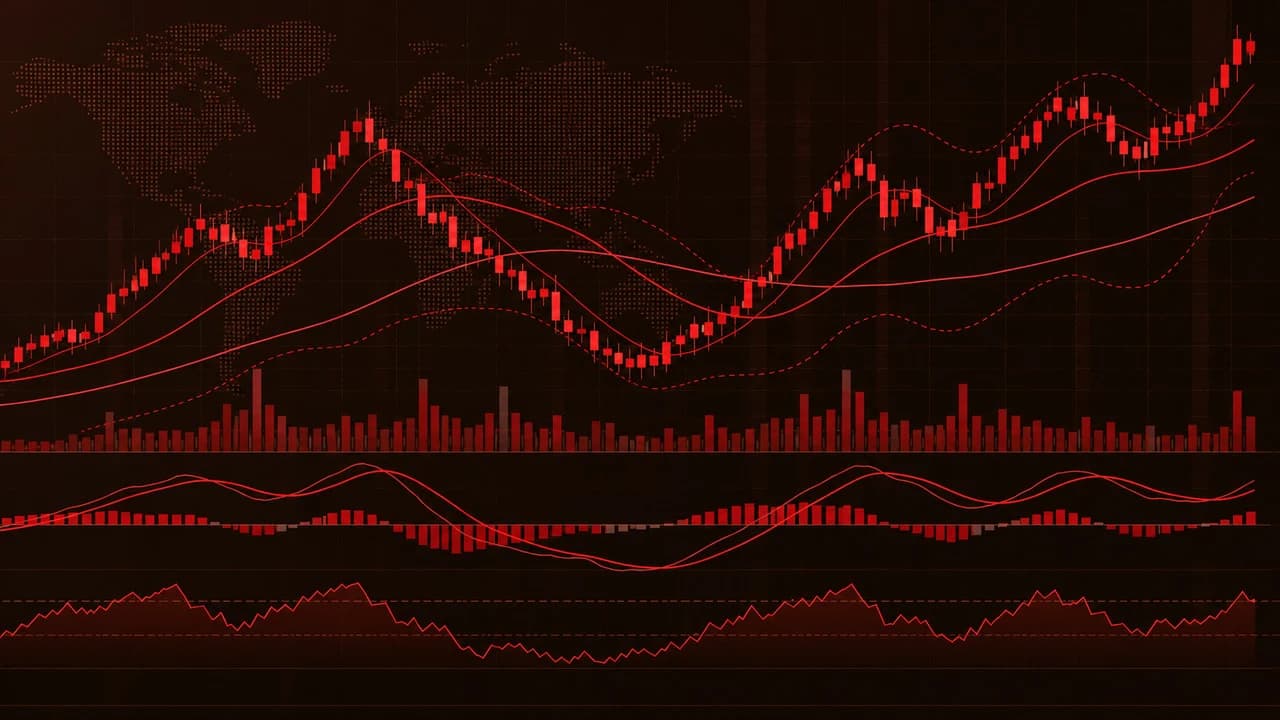
Ko Yoeng was trading at 39,350 won, down 3,150 won from the previous session, showing weakness during the morning session on the 8th. While the stock price is undergoing a correction, the supply and demand by investor type is far from simple. Foreign investors have continued net buying for nine or more consecutive trading days, while individual investors have countered with seven straight days of net selling, bringing the 'supply-demand standoff' between the two sides to the fore as a key variable for the short-term price movement.
■ Foreign investors net buy for 9+ consecutive sessions... accumulating shares even during the correction
What draws attention is the persistence of foreign buying. Foreign investors have continuously purchased Ko Yoeng shares for nine or more consecutive trading days recently, maintaining a buying advantage. As this is not a short-term buying spree of one or two days but a sustained flow of same-direction supply and demand across multiple sessions, the market is closely watching whether the foreign buying will continue. Foreign investors make decisions based on a comprehensive assessment of corporate earnings outlook, industry growth potential, valuation, and the global market environment, so a buying streak lasting a certain period can attract market attention.
■ Individual investors counter with 7 consecutive days of net selling
In contrast, retail investors are moving in the exact opposite direction. Individuals have shown a net selling advantage for seven consecutive trading days recently, reducing their holdings. As foreign investors continue to absorb shares while individuals release them, the supply and demand surrounding Ko Yoeng has developed into a showdown between foreign buying and retail selling.
The background of retail selling is also difficult to attribute to a single factor. It could be profit-taking following the recent rise in the stock price, or selling of a risk-management nature amid expanding volatility.
■ The key point to watch: which side's momentum breaks first
When foreign and individual trading directions move in opposite ways over an extended period, which side's flow bends first can become more important than the size of a single day's net buying or selling. If foreign buying continues while retail selling weakens, the sell-side volume entering the market could shrink, potentially changing the supply-demand balance. Conversely, if the foreign buying streak is halted while retail selling continues, short-term pressure on the stock price could grow.
Therefore, even with Ko Yoeng falling to 39,350 won today, it is difficult to judge the supply-demand situation solely by the decline in the stock price. It is necessary to also examine whether foreigners are accumulating additional shares even during the correction, and whether the retail selling streak continues. In particular, if foreigners maintain a buying advantage even on days when the stock price falls, the strength of foreign demand can be reconfirmed. Conversely, if foreigners also turn to selling during the correction, the recent supply-demand structure could change.
However, the foreign buying streak itself does not guarantee future stock price gains. The direction of supply and demand can change at any time depending on the overall market sentiment, corporate earnings, and industry investment sentiment.
Ultimately, Ko Yoeng's current situation can be seen as a phase in which price and supply-demand are sending different signals. The stock price has been pushed down 3,150 won to 39,350 won, but foreigners have maintained a buying streak of nine or more consecutive sessions while individuals have countered with seven straight days of selling. Amid the opposing flows of continued foreign buying and continued retail selling, which side's strength weakens first is emerging as the key point for judging the short-term direction of Ko Yoeng's stock price.
[This article was written for informational purposes based on intraday market figures and investor-specific supply-demand data provided, and does not recommend buying or selling any specific stock. Investor-specific trading figures may vary depending on the time of aggregation and the exchange's final tally, and consecutive net buying or net selling may also change in subsequent trading. Investment decisions and responsibility rest with the investor, and AI assistance was utilized in the writing of this article.]
CBC Globe publishes verified stories with editorial review, source checks, and tenant-specific publication standards.
Related Articles

Dongyang Expressway Soars 22.91%... Static and Dynamic VI Triggered in Succession, Share Price at 35,950 Won
Samgi Energy Solutions Surges to Near Limit-Up... Volatility Interruption (VI) Triggered Twice in Early Trading

13 Stocks Hit Limit-Up During May 8 Session... HLB Global, HLB Biostep, and Samgi Energy Solutions Surge