
Hanmi Pharmaceutical's Obesity Drug 'Effe' Approved by MFDS... Domestic New Drug Enters Import-Dominated GLP-1 Market
The competitive landscape of South Korea's obesity treatment market is shifting. As GLP-1-class therapies from overseas pharmaceutical companies have dominated the market, Hanmi Pharmaceutical's independently developed obesity drug 'Effe' has obtained product approval, paving the way for a domestica
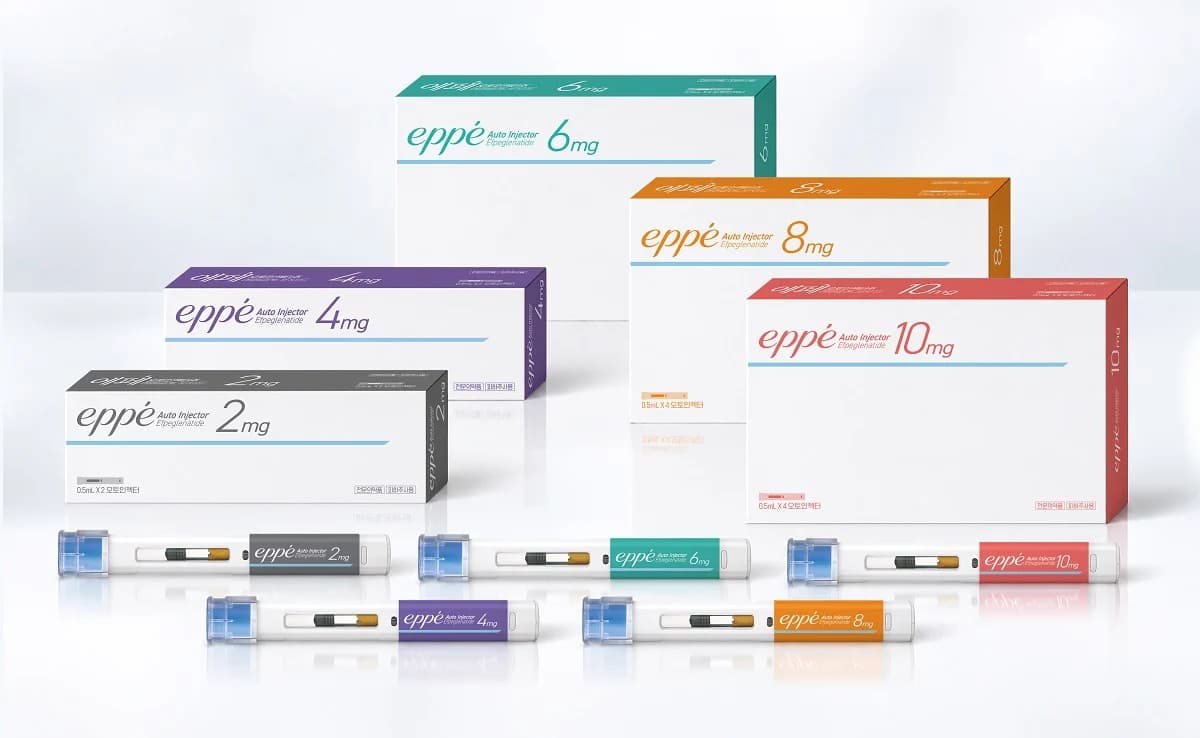
The competitive landscape of South Korea's obesity treatment market is shifting. As GLP-1-class therapies from overseas pharmaceutical companies have dominated the market, Hanmi Pharmaceutical's independently developed obesity drug 'Effe' has obtained product approval, paving the way for a domestically developed new drug to enter the market in earnest.
Hanmi Pharmaceutical announced on the 7th that it had received domestic marketing authorization from the Ministry of Food and Drug Safety for Effe (ingredient name: epeglematide), a GLP-1-class obesity treatment.
■ Independently Driven from Discovery to Commercialization... Challenging the Import-Dominated Duopoly
This approval is significant in that a domestic pharmaceutical company independently pursued everything from the discovery of the new drug candidate through clinical trials, approval procedures, and preparation for production and commercialization. In particular, the treatment developed by a Korean company joins a market that has effectively been split between products from foreign pharmaceutical firms.
Effe was developed using Hanmi's long-acting drug efficacy platform technology, 'LAPSCOVERY.' This technology, which extends the duration of a drug's action in the body to improve dosing convenience, is one of Hanmi's core technologies.
■ Clinical Experience with 6,000 Patients with Sanofi as Foundation... 'Clinical Evidence in Korean Subjects Secured'
Effe's development path was not smooth from the start. Hanmi previously partnered with global pharmaceutical company Sanofi to conduct clinical trials involving approximately 6,000 patients with type 2 diabetes. Although the development rights were later returned, the company continued developing the obesity treatment using the accumulated research experience and clinical data. In this process, the company focused on securing clinical evidence reflecting the characteristics of Korean obesity patients.
This is interpreted as a strategy of expanding treatment options through clinical results in Korean subjects, rather than simply touting its domestic origin in competition with imported treatments.
■ Interim Phase 3 Results: Average Weight Loss of 9.75%... Up to 30% in Some Patients
The interim Phase 3 clinical trial results Hanmi released in October last year confirmed the weight-loss effect. In a 40-week trial involving 448 Korean patients with obesity, the average weight reduction in the Effe group was 9.75%, with maximum weight loss of up to 30% observed in some patients.
The proportions of patients by degree of weight loss were also disclosed. Among the Effe group, 79.42% of patients lost 5% or more of their body weight, 49.46% lost 10% or more, and 19.86% lost 15% or more.
However, the maximum reduction observed in individual patients should not be interpreted as the typical treatment effect for all patients. The average reduction rate and the distribution of patients across weight-loss ranges should be considered together.
■ Gradual Dose Escalation Reduces Gastrointestinal Adverse Reactions... 'Good Tolerability'
Safety and treatment persistence will also be key variables for market success. GLP-1-class therapies can cause gastrointestinal adverse reactions such as nausea, vomiting, and diarrhea, making patients' adaptation to treatment important. Hanmi explained that it applied a stepwise dose-escalation regimen using two- and four-week intervals for Effe, focusing on reducing the burden of gastrointestinal adverse events. The company also reported that relatively good tolerability was observed in clinical trials.
■ Domestic Production from Raw Materials to Finished Products at Pyeongtaek Bio Plant... Supply Stability Remains to Be Verified
Another feature of Effe is its domestic production system. Hanmi has established a structure to produce everything from raw materials to finished products at its Pyeongtaek bio plant, distinguishing it from products dependent on overseas manufacturing facilities and import schedules. However, whether domestic production translates into actual supply stability must be verified through future production volumes and distribution conditions.
■ Plans for 'Reasonable Pricing' for the Initial Dose... Competitiveness to Be Gauged After Actual Selling Prices Are Disclosed
Pricing policy is also drawing attention. Hanmi has proposed applying a reasonable price to the initial dose, taking into account the financial burden on patients starting treatment for the first time. For obesity treatments, not only efficacy but also ongoing medication costs can influence whether patients continue treatment. Therefore, Effe's competitiveness against existing treatments is expected to become clear once its actual selling prices and costs by dosage are disclosed.
■ TLS Platform-Based Digital Convergence Drug Also in Development... 'Distinct from This Approval'
Hanmi is also pursuing expanding its business into post-treatment weight management. The company is developing a digital convergence drug combining pharmaceuticals with digital medical devices based on the 'TLS (Total Lifestyle Care) platform,' which supports improvements in exercise, dietary habits, and lifestyle. This approach takes into account that obesity treatment should not end with short-term weight loss but connect to long-term lifestyle management. However, the digital convergence drug is a project under development and should be distinguished from Effe's current product approval.
■ GLP-1 Market Worth About 2 Trillion Won... Domestic New Drug's Market Share Is the Key Point to Watch
The company's statement that the domestic GLP-1 treatment market has grown to about 2 trillion won also draws attention. How much market share a domestically developed new drug can secure in a market structure centered on imported pharmaceuticals is expected to emerge as a future point of interest. In particular, Effe's market performance could serve as an opportunity to verify the competitiveness of a business model in which the Korean pharmaceutical industry develops new drugs with its own technology and produces and sells them domestically.
[This article was written based on the product approval and clinical trial data released by Hanmi Pharmaceutical. AI assistance was utilized in the writing process.]
CBC Globe publishes verified stories with editorial review, source checks, and tenant-specific publication standards.
Related Articles
HLB (028300) Closes After-Market at 46,000 Won… Hits 47,000 Won intraday but Gains Narrow

Alteogen to Absorb Merger of Alteogen Biologics on December 29... Expanding Business from Drug Development to Sales

Samsung Electro-Mechanics to Invest 6.78 Trillion Won in FCBGA Substrates for AI Servers... Expanding Production Capacity in Sejong and Vietnam