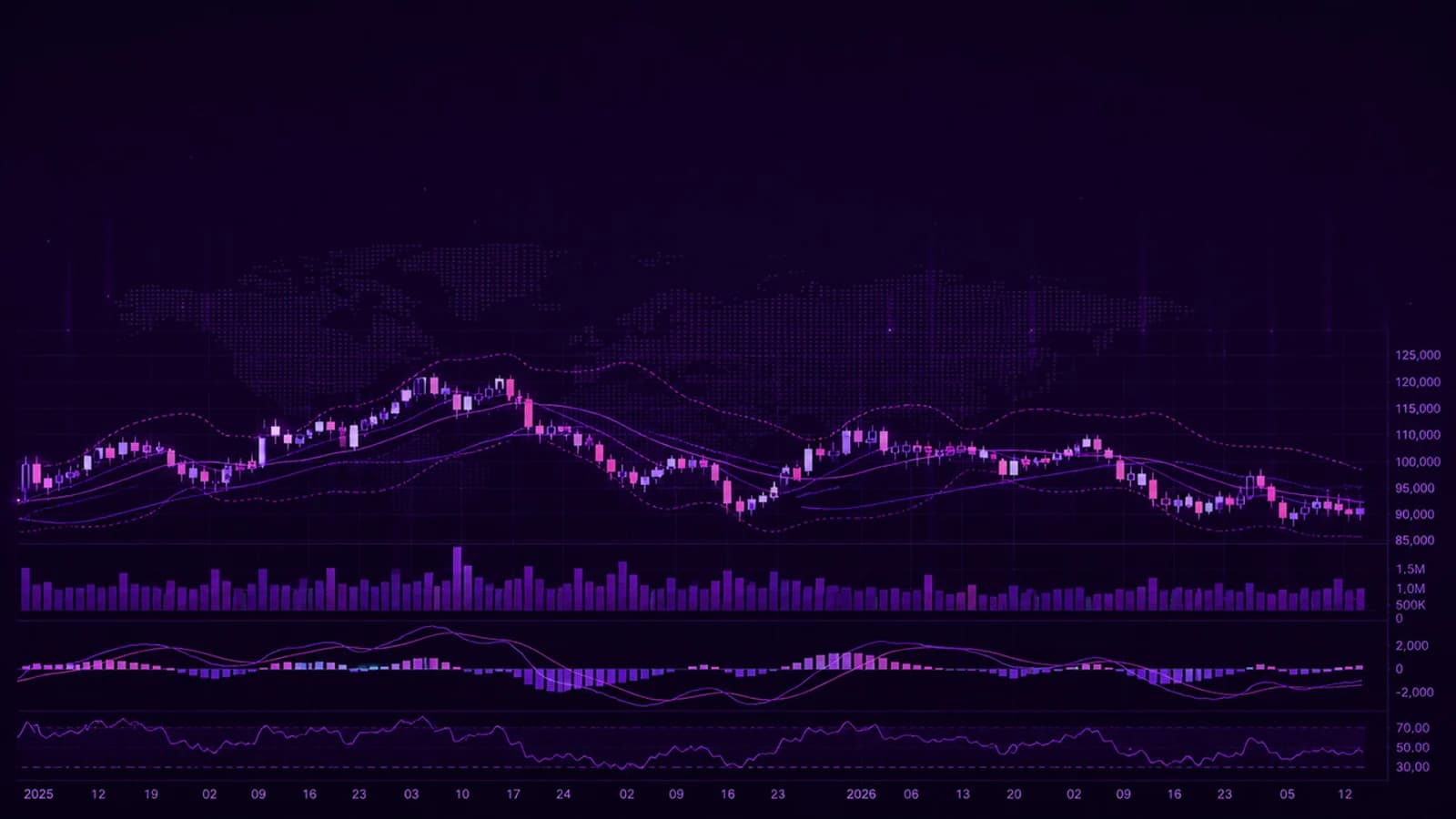
Gold (Gold Price, Gold Rates) October 12
According to the Korea Gold Exchange on October 12, 2026, domestic gold prices fell for pure gold as well as 18K and 14K gold. In contrast, platinum and silver prices rose, showing mixed movements across precious metals. ## Pure Gold, 18K, and 14K Prices All Decline On this day, the price of one d

According to the Korea Gold Exchange on October 12, 2026, domestic gold prices fell for pure gold as well as 18K and 14K gold. In contrast, platinum and silver prices rose, showing mixed movements across precious metals.
Pure Gold, 18K, and 14K Prices All Decline
On this day, the price of one don (3.75g) of pure gold was recorded at 794,000 won for buying and 679,000 won for selling. The buying price fell 1,000 won (0.13%) from the previous trading day, while the selling price dropped 3,000 won (0.44%).
The selling price of 18K gold fell 2,200 won (0.44%) from the previous trading day to 499,100 won. The selling price of 14K gold also fell 1,700 won (0.44%) to 387,100 won.
Platinum and Silver Rise
In contrast, one don (3.75g) of platinum was recorded at 318,000 won for buying and 258,000 won for selling. The buying price rose 1,000 won (0.31%) from the previous trading day, while the selling price also climbed 1,000 won (0.39%).
One don (3.75g) of silver was recorded at 11,050 won for buying and 9,200 won for selling. The buying price rose 30 won (0.27%) from the previous trading day, while the selling price also climbed 30 won (0.33%).
China's Gold Purchases and Middle East Tension Are Key Variables in the International Gold Market
China's moves to expand its gold holdings and military tensions in the Middle East are emerging as major variables in the international gold market. As geopolitical uncertainty grows, interest in gold as a safe-haven asset may increase, but rising energy prices from the Middle East could stimulate inflation and lead to upward pressure on interest rates, making it necessary to watch future market trends.
The People's Bank of China's gold purchasing activities have consistently drawn attention in international financial markets. Recently, claims were made on X (formerly Twitter) that China made additional gold purchases of a considerable scale in September. However, the specific purchase amounts and holding sizes need to be cross-checked against official statistics.
China's expansion of gold holdings draws attention because it is linked to efforts to diversify the asset composition of its foreign exchange reserves. It can be interpreted as a strategy to reduce dependence on U.S. Treasury bonds and dollar-denominated assets while increasing the proportion of physical reserve assets. However, it is difficult to conclude that a decrease in U.S. Treasury holdings and gold purchases represent direct fund movements. Central banks manage their reserves by considering various factors such as interest rates, exchange rates, liquidity, and risk management.
Attack on Riyadh Airport... Concerns Over Energy Supply from the Middle East
As military conflicts in the Middle East expand, uncertainty surrounding the gold market is also growing. On the 10th, King Khalid International Airport in Riyadh, the capital of Saudi Arabia, was attacked, causing large-scale casualties. Saudi civil aviation authorities announced that the initial count showed 12 deaths and 309 injuries. Foreign media later reported additional fatalities. A further attack targeting the same airport occurred on the 11th.
As attacks by Yemen's Houthi forces continue, concerns are growing over the safety of Saudi Arabia's major transportation facilities and energy infrastructure. Saudi Arabia in particular occupies a crucial position in global crude oil supply. Concerns that prolonged or expanded military conflict in the Middle East could disrupt oil production and transportation may affect the international energy market.
Geopolitical Risk Has Dual Effects on Gold Prices
Notably, such geopolitical risks do not necessarily act only as a one-sided upward factor for gold prices. Generally, when international conditions become unstable due to war and military conflict, investors turn their attention to assets considered relatively safe. Gold, as a physical asset that does not represent the debt of any particular company or government, can attract risk-averse demand.
However, if Middle East tensions lead to higher international oil prices, the situation becomes more complicated. Rising crude oil prices increase transportation and production cost burdens, which can translate into upward pressure on consumer prices. If inflation expands again, it could affect the monetary policies of major central banks, including the U.S. Federal Reserve (Fed). If price stabilization is delayed, the timing of interest rate cuts could be pushed back, or the possibility of additional rate hikes could be highlighted depending on circumstances.
Gold is an asset that pays no interest or dividends. Therefore, when market interest rates rise and bond yields increase, the opportunity cost of holding gold grows. In particular, rising U.S. real interest rates and a stronger dollar can act as factors pressuring international gold prices. Ultimately, geopolitical risk in the Middle East can support gold prices through safe-haven demand while simultaneously constraining them by increasing inflation and interest rate pressures.
Why Is Gold a Safe-Haven Asset? The Historical Background
The background of gold's long-standing recognition as a store of value is also connected to these characteristics. Used as a symbol of wealth and power in ancient civilizations, gold was later utilized as currency and a medium of exchange. Its resistance to corrosion, long-term durability, and limited supply have underpinned gold's value.
As major countries adopted the gold standard in the 19th century, linking the value of their currencies to gold, gold took on a central role in the international monetary order. Gold also held an important position in the Bretton Woods system established in 1944. Under that structure, the value of the U.S. dollar was fixed at $35 per troy ounce of gold, with other currencies maintaining exchange rates pegged to the dollar.
Although gold's institutional role has changed as the international monetary system evolved, its significance as a central bank reserve asset and a private investment asset has been maintained. U.S. Treasury bonds offer interest income and high liquidity, whereas gold pays no interest and incurs storage costs. However, physical gold differs in that it is not directly exposed to the credit risk of bond issuers.
That said, gold does not guarantee price increases in every financial crisis. If demand for liquidity grows across markets, gold can also face selling pressure, and its price may fall depending on changes in interest rates and the dollar's value.
Dollar-Centered Monetary Order Expected to Persist for Now
China's expansion of gold holdings also needs to be examined within this international financial environment. An increase in gold purchases does not mean that the dollar-centered international monetary order will immediately weaken or that U.S. Treasury bonds will lose their reserve asset function. The dollar still plays a core role in international payments and financial transactions, and U.S. Treasury bonds remain an important asset in the management of major countries' foreign exchange reserves.
Key Points to Watch
Going forward, the international gold market is expected to focus on whether central banks, including China's, continue their gold purchases, along with military tensions in the Middle East, international oil prices, U.S. inflation indicators, and the Fed's interest rate policy. In particular, whether supply concerns from the Middle East actually lead to rising inflation, and how U.S. Treasury yields and the dollar's value respond, could become important variables in gauging the direction of gold prices.
Even if safe-haven demand supports gold prices, upward momentum may be limited if interest rate pressures rise simultaneously. Conversely, if geopolitical risks expand while interest rate burdens ease, investment demand for gold could become even more prominent. Ultimately, the direction of international gold prices is expected to be determined through the complex interplay of not only geopolitical uncertainty but also inflation and monetary policy changes.
[※ This article is intended to convey market trends and is not intended to recommend investment in any specific assets.]
CBC Globe publishes verified stories with editorial review, source checks, and tenant-specific publication standards.
Related Articles
Hanwha M&S Surges 22.7%... Kim Dong-sun Invests 128.5 Billion Won to Expand Stake to 24.81%
Gaon Cable Shares Fall for Third Consecutive Session... Company Announces Facility Investment Plan to Enter U.S. Nuclear Power Cable Market

Jusung Engineering Chairman Hwang Chul-joo: "1% Innovation Over 99% Imitation" — Presenting New Growth Standards at the Herald Business Forum 2026