
Song Kang Leaves a Coming-of-Age Narrative as Kang Bi-o in 'Piano Four Hands'… Peak Ratings of 10.6% and No. 1 in Buzz — Will It Shake Up Awards Rankings?
Actor Song Kang completed a memorable character, Kang Bi-o, through tvN's 'Piano Four Hands,' a drama about music and the growing pains of youth. As the series ended on a high note with a peak rating of 10.6%, attention on Song Kang continues in the rankings race for online awards even after the fin

Actor Song Kang completed a memorable character, Kang Bi-o, through tvN's 'Piano Four Hands,' a drama about music and the growing pains of youth. As the series ended on a high note with a peak rating of 10.6%, attention on Song Kang continues in the rankings race for online awards even after the finale.
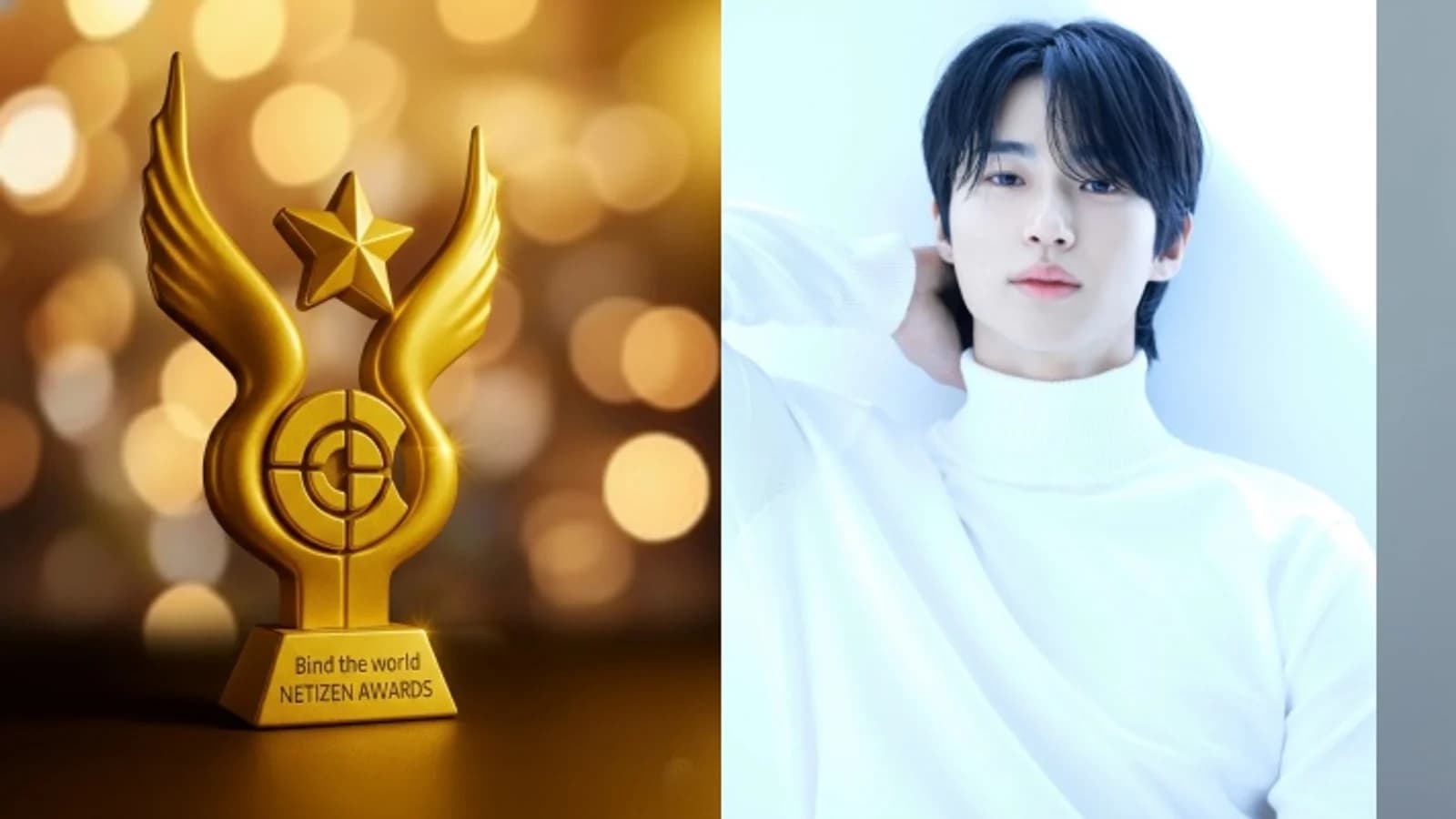
A Performance Transformation That Could Influence the Awards Rankings As of the afternoon of the 16th, Song Kang ranked 13th in the Male Acting category of the October Netizen Awards and 14th in the Male Acting category of the Globe Netizen Awards. As he competes in both rankings simultaneously, whether his acting transformation in 'Piano Four Hands' will influence fans' support draws attention.
The tvN Saturday-Sunday drama 'Piano Four Hands,' which ended on the 4th, depicted the process of Kang Bi-o, played by Song Kang, overcoming long-standing conflict and guilt to reclaim his own music. The ending, in which characters entangled in rivalry and friendship each choose new paths, highlighted the theme of growth the work aimed to convey.
Series-High Ratings… No. 1 Across All Channels in Its Time Slot The final episode's ratings also drew attention. According to Nielsen Korea's paid-platform household figures, the finale recorded a nationwide average of 9.4% and a peak of 10.6%. In the Seoul metropolitan area, it set a series-high record with an average of 10% and a peak of 11.4%. It ranked first across all channels in its time slot nationwide and in the metropolitan area, including terrestrial broadcasters, and maintained first place in its time slot among cable and general programming channels nationwide for 12 consecutive episodes. It also topped all-channel time-slot ratings among both men and women aged 20-49, tvN's core demographic, nationwide and in the metropolitan area.
Kang Bi-o's Growth and Reconciliation with Choi Jung-yo Kang Bi-o, played by Song Kang, is a character who, despite gaining recognition for his musical talent, wavers amid his family's expectations and conflicts with those around him. His gradual loss of passion for music as he confronts a reality that piano skill alone cannot solve formed the emotional axis of the drama.
In the finale, Kang Bi-o fell into deep self-blame following the death of his grandfather, Kang Seung-un (played by Jung Jin-young). Learning that Choi Jung-yo (played by Lee Jun-young) suffered harm due to his mother Kang Ji-hye's (played by Yoon Se-ah) actions, he became consumed by the thought that those around him would not have been hurt if he had not insisted on the piano.
The one who extended a hand to Kang Bi-o as he tried to give up music was Choi Jung-yo, his longtime rival. Choi Jung-yo shared his own treatment and recovery process, hoping Kang Bi-o would no longer be bound by guilt. The scene of the two sitting side by side at the piano again condensed the work's core message. Their performance of 'Piano Four Hands' together for the first time in nine years went beyond mere musical chemistry, symbolizing the relationship of two young people who came to understand each other after years of misunderstanding. Through this process, Song Kang led the story while conveying the emotional weight of a character torn between his longing for music, responsibility toward his family, and guilt toward his friend.
However, their reunion led to another parting. After Choi Jung-yo stepped down from his position as conductor of a Korean symphony and disappeared leaving only a letter, Kang Bi-o spent time waiting once again.
Three years later, Kang Bi-o became a pianist who performs wherever music is needed, rather than in established concert halls or on glamorous stages. His growth was evident in the fact that he came to find the standard for success not in external evaluation but in his own convictions.
Kang Bi-o belatedly learned of the sacrifices his friend had endured through a chance meeting with Choi Jung-yo's doctor. Choi Jung-yo's past performances had been possible only briefly, as a treatment undertaken at the risk of side effects rather than a full recovery. Upon learning the truth, Kang Bi-o posted an online video of himself performing Choi Jung-yo's composition 'Nemesis,' waiting to reach his friend, and set out to find him using a postcard sent from abroad as a clue. The scene in which he reunited with Choi Jung-yo, who was continuing music with a church choir in an unfamiliar cathedral, marked the moment Kang Bi-o let go of his guilt and longing. The image of the two, who walked different paths but reconnected through the shared language of music, added a warm meaning to the ending.
From Seventeen to Twenty-Seven… Acting That Portrayed a Wide Emotional Range A notable aspect of Song Kang's performance is the breadth of change Kang Bi-o undergoes. Over the span from a talented seventeen-year-old boy to a wounded twenty-seven-year-old young man, the character experiences competitiveness, anxiety, loss, and reconciliation, and Song Kang expressed this emotional flow throughout the work.
His acting chemistry with Lee Jun-young was also a key element. Starting as rivals, the two actors formed a relationship of deep mutual influence, maintaining the drama's tension as they moved between conflict and reconciliation. With the addition of Hong Jae-in, played by Jang Gyuri, the relationship among the three young people expanded beyond simple friendship into a story that shaped each of their growth.
No. 1 in Buzz for Five Consecutive Weeks… Video Views Exceed 800 Million Interest in the work was also reflected in online buzz. According to Good Data Corporation's Fundex tally as of September 29, 'Piano Four Hands' ranked first in TV-OTT buzz for five consecutive weeks, and in cast member buzz, Lee Jun-young took first place with Song Kang in second. As of September 28, cumulative views of drama-related videos surpassed 870 million.
These achievements and Song Kang's commanding presence are another point of interest in watching the October Netizen Awards rankings race. His current standings—13th in the domestic Netizen Awards Male Acting category and 14th in the Globe Netizen Awards Male Acting category—leave room to watch for future changes.
A Coming-of-Age Narrative Drawn Through Music 'Piano Four Hands' built a distinctive atmosphere by combining classical music centered on piano and orchestra with the characters' emotions. Director Park Hyun-seok's direction and writer Shin I-won's script used music not merely as background but as a device to explain the characters' choices and relationships. For Kang Bi-o, the piano was a symbol of talent and a burden hard to escape, but in the end it transformed into a means of choosing the music he truly wanted, free from others' expectations. The same instrument took on entirely different meanings as the character grew.
Ultimately, what 'Piano Four Hands' left behind was not just the success story of a musical genius. It was the story of wounded youth choosing their own lives again, restoring distant relationships, and finding a new starting point through music. Song Kang stood at the center of this narrative, portraying Kang Bi-o's transformation and growth.
'Piano Four Hands,' which ended with series-high ratings, remains another work in Song Kang's filmography. Within the lingering impression the drama left, interest continues over what changes fans' attention to Song Kang will bring to the remaining competitions in the two awards, and what kind of character he will meet viewers with next.
[The descriptions of the acting and the work's meaning include interpretive evaluation, and AI assistance was used in writing this article.]
CBC Globe publishes verified stories with editorial review, source checks, and tenant-specific publication standards.
Related Articles

Yoo Ji-woo Receives Warm Response with Cover of Jo Hang-jo's Original 'Life, Thank You'... "A Singer Who Moves Hearts with Sound"
IU and Byeon Woo-seok's Duet "Geudaeneyo" Leaves a Lasting Impression Even After the Series Ended... "A Perfect Couple, Even Down to Their Vocal Tone"

BABYMONSTER Kyocera Dome Behind-the-Scenes: Fans Cried Along With Asa's Tears... Ruka, Ahyeon, and Staff Caught Up in a 'Wave of Emotion'
