
Gold Prices Fall Today (October 17)... Pure Gold, 18K, 14K, Platinum, and Silver All Weaken; Fed Rates and the US-Iran War as Variables?
According to the Korea Gold Exchange on October 17, 2026, domestic gold prices closed lower. Not only pure gold but also 18K and 14K gold prices fell across the board, while platinum and silver also declined together. 【Domestic Gold Price Trends】 On this day, according to the Korea Gold Exchange, p
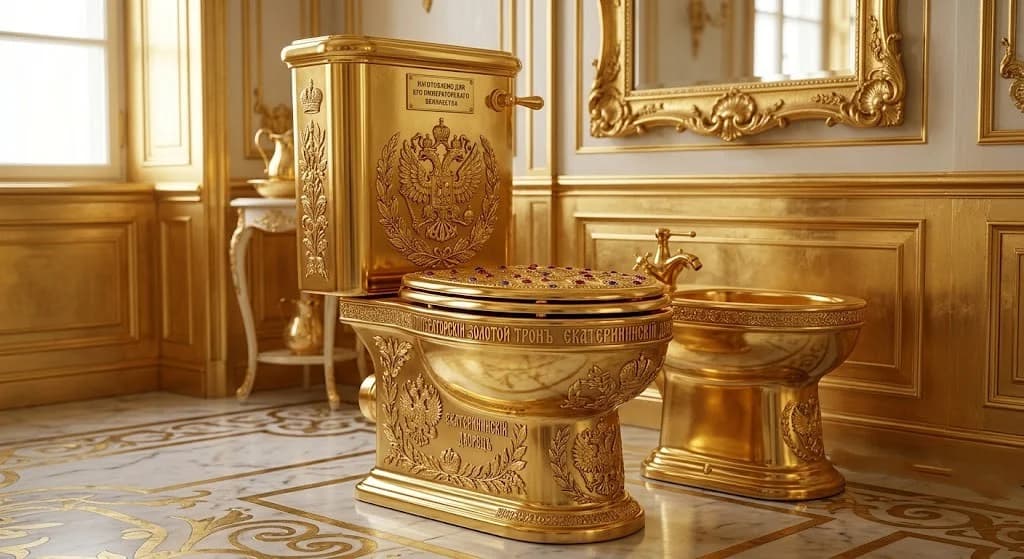
According to the Korea Gold Exchange on October 17, 2026, domestic gold prices closed lower. Not only pure gold but also 18K and 14K gold prices fell across the board, while platinum and silver also declined together.
【Domestic Gold Price Trends】 On this day, according to the Korea Gold Exchange, pure gold (24K) per don (3.75g) traded at 786,000 won when buying and 670,000 won when selling. The buying price fell 8,000 won (1.02%) and the selling price fell 5,000 won (0.75%) from the previous day.
18K fell 3,700 won (0.75%) to 492,500 won per don on a selling basis, and 14K fell 2,900 won (0.76%) to 381,900 won on a selling basis.
Platinum also weakened. Per don, it recorded 305,000 won when buying (down 4,000 won, or 1.31%, from the previous day) and 247,000 won when selling (down 4,000 won, or 1.62%). Silver continued its downward trend, at 10,280 won when buying (down 220 won, or 2.14%) and 8,560 won when selling (down 180 won, or 2.1%) per don.
【New York Gold Prices Rebound】 Unlike domestic prices, international gold prices rebounded, breaking free from a three-day decline. On October 15 U.S. local time, December-delivery gold futures on the New York Mercantile Exchange closed at $4,170.10 per troy ounce, up 1.5% from the previous trading day. The same day, spot gold rose 1.2% to $4,153.42 per ounce as of 2:01 p.m. Eastern Time.
The rise was driven by a decline in the dollar's value and U.S. Treasury yields. The dollar index fell about 0.5%, and the 10-year Treasury yield came down to its lowest level in three weeks. Gold, as an asset yielding no interest or dividends, has the characteristic that lower Treasury yields reduce the relative burden of holding it.
【The Fed Rate Variable】 The direction of U.S. interest rates remains a key variable for the gold market. The U.S. September Consumer Price Index (CPI) rose 3.7% year-on-year, exceeding market expectations (3.6%), and producer prices also showed high upward pressure, heightening concerns that inflation is not subsiding. If the inflation rate is higher than expected, the possibility that the Fed will raise rates further or keep rates high for an extended period comes into focus, in which case the appeal of the dollar and U.S. Treasuries grows, potentially weighing on gold.
However, some within the Fed argue that caution is needed before any immediate additional hikes. Mary Daly, President of the Federal Reserve Bank of San Francisco, and Fed Vice Chair Michelle Bowman expressed cautious positions. As of the tally on the 15th, the probability of a Fed rate hike this month was reflected at about 29%. However, expected probabilities in the interest rate futures market can vary depending on the timing and price of trading, and should not be taken as the Fed's actual policy decisions.
If the Fed prioritizes price stability and chooses further tightening, gold's upward momentum may be limited. Conversely, if it considers the risk of an economic slowdown and leaves open the possibility of freezing or easing rates, a gold-friendly environment could be created.
【The Two-Sided Effects of the US-Iran War】 The war between the United States and Iran is another source of uncertainty for the gold market. Since the United States and Israel launched military operations against Iran on February 28, the Middle East conflict has expanded to energy supply chains and maritime shipping systems. Iran has restricted vessel traffic centered on the Strait of Hormuz and continued attacks on nearby energy and logistics facilities. The Strait of Hormuz was a key maritime passage accounting for a significant share of global oil and liquefied natural gas trade before the war.
Recently, attacks on major infrastructure have become prominent. Oil transit facilities in Fujairah, UAE; the Ras Laffan LNG facility in Qatar; and oil pipeline facilities in Saudi Arabia have been attacked, with attacks by Yemen's Houthi forces continuing, spreading military tension to neighboring countries.
This is increasing instability in international crude oil and natural gas supplies. If energy supply disruptions persist, rising transportation and production costs could add further burdens to global prices.
The war's impact on gold prices is two-sided. As uncertainty grows, investors may reduce their exposure to risky assets and turn their attention to traditional safe assets like gold. Gold is a physical asset not directly tied to any specific country's monetary policy or individual corporate performance. On the other hand, if the war pushes international oil prices up and U.S. inflation pressure rises, Fed rate cuts become difficult, and if the possibility of additional hikes grows, rising dollar values and Treasury yields could put downward pressure on gold prices.
In fact, gold prices did not rise one-directionally during the US-Iran war. Rising energy prices, tightening concerns, and shifts in the dollar's value interacted complexly, and gold experienced considerable volatility. This shows that gold may move differently depending not on the event of war itself but on the changes war brings to interest rates, exchange rates, inflation, and financial market sentiment.
【The Value of Gold and Future Outlook】 The value of gold was formed over a long history. A symbol of wealth and power in ancient civilizations, gold was used as coinage and a means of international trade, and functioned as a key asset underpinning currency value under the modern gold standard. Even after the U.S. suspended the dollar's convertibility to gold in 1971, it maintained its status as a store of value; today, central banks hold gold as part of their foreign exchange reserves, and investors use it as a means of portfolio diversification. Gold also possesses scarcity, as supply cannot easily be increased in the short term. However, scarcity does not guarantee price increases, and prices can vary greatly depending on real interest rates, the dollar's value, central bank gold purchases, and private investment demand.
The future direction of gold prices depends on ▲U.S. inflation trends ▲the Fed's policy decisions ▲whether the US-Iran war escalates or de-escalates. If the U.S. does not rush to raise rates despite rising prices, it is likely to be favorable for the gold market, but if energy prices surge again due to the war and inflation persists, rate hike pressures could offset safe-asset demand. The possibility of a diplomatic resolution to the war also draws attention. Eased military tension could weaken safe-haven preferences, but it could also raise expectations of rate cuts through oil price stabilization and reduced inflation pressure.
[This article is by no means investment advice. The content may merely reflect opinions, so please do not use it as a reference or material for investment. All investments are made at each individual's own judgment, and the final responsibility lies with the investor. This publication assumes no responsibility whatsoever.]
CBC Globe publishes verified stories with editorial review, source checks, and tenant-specific publication standards.
Related Articles

Big Bang 20th Anniversary Media Exhibition 'COSMOS' Opens in Hong Kong on the 18th... Global Tour Kicks Off in Earnest Across 14 Cities

Shin Seung-tae Releases New Song 'Fate Lament' on the 16th at Noon... Composed by Jung Kyung-chun, a Message of Carving Out One's Own Destiny

OVUS Releases Second Music Film 'AMIGO'... Omnibus Narrative Continuing the 'BLUE ROSE' Foreshadowing
