Gold (Gold Prices, Gold Market) October 29: 'Weakness'
On October 29, 2026, according to the Korea Gold Exchange, gold prices for pure gold (24K), 18K, and 14K all declined simultaneously, recording a weak market. Silver prices also continued their downward trend, while only platinum remained flat. With the three major U.S. stock indexes in New York clo
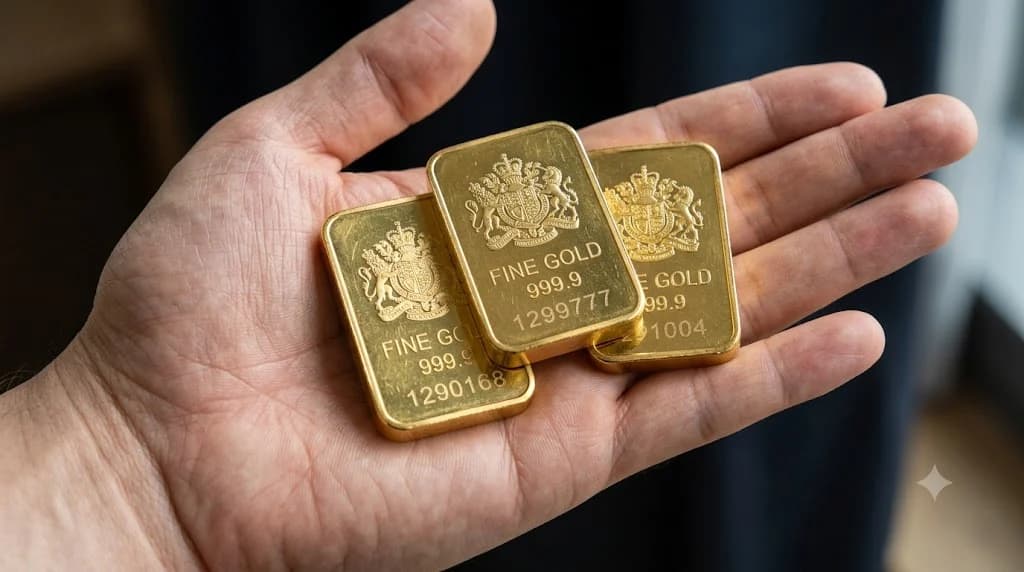
On October 29, 2026, according to the Korea Gold Exchange, gold prices for pure gold (24K), 18K, and 14K all declined simultaneously, recording a weak market. Silver prices also continued their downward trend, while only platinum remained flat. With the three major U.S. stock indexes in New York closing higher together and the U.S. Federal Reserve's (Fed) freeze on its benchmark interest rate emerging as a key variable in financial markets, attention is focused on the future movement of international gold prices.
■ Gold and Precious Metals Price Trends on the 29th
According to the Korea Gold Exchange, the price of pure gold (24K, 3.75g) that day was 763,000 won when buying, down 3,000 won from the previous price, a decline of 0.39%. The selling price was 647,000 won, down 2,000 won, with the decline calculated at 0.31%.
The 18K gold price, based on 3.75g, fell to 475,600 won when selling, down 1,500 won from the previous price, recording a change of -0.32%. The 14K gold price also declined, falling to 368,800 won when selling per 3.75g, down 1,200 won from the previous price, a decline of 0.33%.
In contrast, platinum (3.75g) showed no price change, recording a 0% change rate for both buying at 287,000 won and selling at 233,000 won.
Silver (3.75g) fell to 9,690 won when buying, down 80 won from the previous price, a change of -0.83%, and when selling, it dropped 60 won to 8,240 won, a decline of 0.73%.
■ Three Major New York Stock Indexes Close Higher... Gains Below 0.3%
In the U.S. New York stock market, which closed on the morning of the 29th Korean time, the Dow Jones Industrial Average closed at 52,475.10, up 97.53 points (0.19%) from the previous session. The large-cap-centered Standard & Poor's (S&P) 500 index ended the day at 7,743.98, up 21.38 points (0.28%) from the previous trading day, and the tech-heavy Nasdaq Composite closed at 26,549.85, up 72.04 points (0.27%).
While all three indexes rose, the gains were limited, staying below 0.3%. As the stock market rose in a relatively narrow range, the gold market is highlighting how U.S. monetary policy will affect precious metal prices going forward as a key concern.
■ Why the Fed's Benchmark Rate Freeze Matters for Gold
Gold is one of the representative assets that reacts sensitively to changes in U.S. interest rates. Unlike stocks, its price is not determined based on corporate earnings or dividends, and it does not provide regular interest income like bonds. For this reason, if the U.S. benchmark rate remains at a high level, the relative opportunity cost of holding gold can grow. Investors have an incentive to move funds to U.S. Treasury bonds or deposits that generate interest income. Conversely, if the possibility of rate cuts expands, the opportunity cost of holding gold decreases, and there is room for investment demand for gold to increase.
However, a freeze on the benchmark rate does not directly mean a rise or fall in gold prices. More important for the gold market is the outlook for which direction the Fed will move rates in the future. If the Fed signals the possibility of maintaining high interest rates for an extended period while being wary of inflationary pressure, U.S. Treasury yields and the dollar could strengthen, which generally acts as a burden on gold prices. Conversely, if inflationary pressure eases and the possibility of an economic slowdown grows, heightening expectations of rate cuts, a favorable environment could be created for the gold market.
■ The Relationship Between the Dollar, Treasury Yields, and Gold
The dollar's movement is also a key variable in determining international gold prices. International gold is mainly traded in U.S. dollars. If the dollar's value rises, the cost of purchasing gold can become relatively higher for investors using other currencies. Conversely, if the dollar weakens, the burden of purchasing gold for non-dollar investors may decrease, potentially supporting demand.
However, the dollar and gold prices do not always move in opposite directions. In situations where financial market instability or geopolitical tensions expand, both the dollar and gold may be affected by safe-haven demand simultaneously.
■ Stock Market and International Oil Price Variables
The upward trend in the New York stock market also needs to be examined alongside the gold market. If the stock market continues to rise, investment sentiment toward risk assets improves, potentially weakening demand for gold, which is relatively classified as a safe asset. Conversely, if stock market volatility expands or corporate earnings outlooks deteriorate, investors may increase their gold allocations to diversify portfolio risk. However, stocks and gold prices do not necessarily move in opposite directions, and if inflation concerns, monetary policy changes, and expectations of expanded global liquidity work in combination, situations where both assets rise simultaneously can occur.
International oil prices are also an important variable in gauging the direction of gold prices. If crude oil prices rise, inflationary pressure can expand through increased energy costs. Gold has traditionally been used as an asset to hedge against inflation risk, so concerns about rising prices could stimulate gold demand. However, if rising international oil prices increase the possibility of additional U.S. rate hikes, the situation could change. This is because a stronger dollar and rising bond yields due to higher interest rates could limit gold's rise. Ultimately, the impact of rising international oil prices on the gold market may vary depending on which factor works more strongly: investors' response to inflation risk or the outlook for the Fed's monetary policy.
■ Won-Dollar Exchange Rate and Domestic Gold Prices
For domestic gold investors, the won-dollar exchange rate is also an indispensable variable. Even if international gold prices rise, if the won strengthens, the increase in domestic gold prices may be limited. Conversely, even if international gold prices fall, if the won-dollar exchange rate rises, the decline in gold prices converted to won may be reduced. The domestic gold market is affected not only by international gold prices and exchange rates but also by supply and demand and price differences across trading markets. Therefore, domestic investors need to look at international spot gold prices, U.S. gold futures prices, and the won-dollar exchange rate together.
■ Future Watch Points: U.S. Inflation and Employment Indicators
The key variables for the gold market going forward are expected to be U.S. inflation indicators and employment market trends. In particular, the U.S. Consumer Price Index (CPI) and Personal Consumption Expenditures (PCE) price index are major economic indicators that influence the Fed's monetary policy outlook. If inflationary pressure proves stronger than expected, expectations of rate cuts could weaken or concerns about additional tightening could grow. Conversely, if inflation slows, the interest rate burden could ease. Among U.S. Treasury yields, the movement of real interest rates, which account for inflation, is also important. If real interest rates rise, the relative investment appeal of gold, which pays no interest, may diminish.
With the New York stock market ending trading with all three major indexes higher, attention in the gold market is turning to the movement of the dollar and Treasury yields following the U.S. rate freeze. In particular, if uncertainty about the future direction of monetary policy remains even after the rate freeze, gold prices are likely to react sensitively to economic indicator releases and remarks by Fed officials. For gold investors, it is important to take a comprehensive approach that looks not only at short-term price fluctuations but also at U.S. interest rate outlook, the dollar, international oil prices, and changes in risk appetite in global financial markets. Whether the U.S. rate freeze will support further gains in international gold prices or whether high interest rate levels will act as a burden on the gold market will depend on future inflation trends and the direction of the Fed's monetary policy.
[This article is information for investment reference purposes, and investment decisions and the responsibility arising from them lie with the investor.]
CBC Globe publishes verified stories with editorial review, source checks, and tenant-specific publication standards.