
Housing Price Rise Expectation Recovers to No. 1 at 55%... "Jeonse System Should Be Maintained" 54%
More than half of South Koreans expect housing prices to rise over the next year, yet contrary to the government's moves to regulate the jeonse (lump-sum deposi
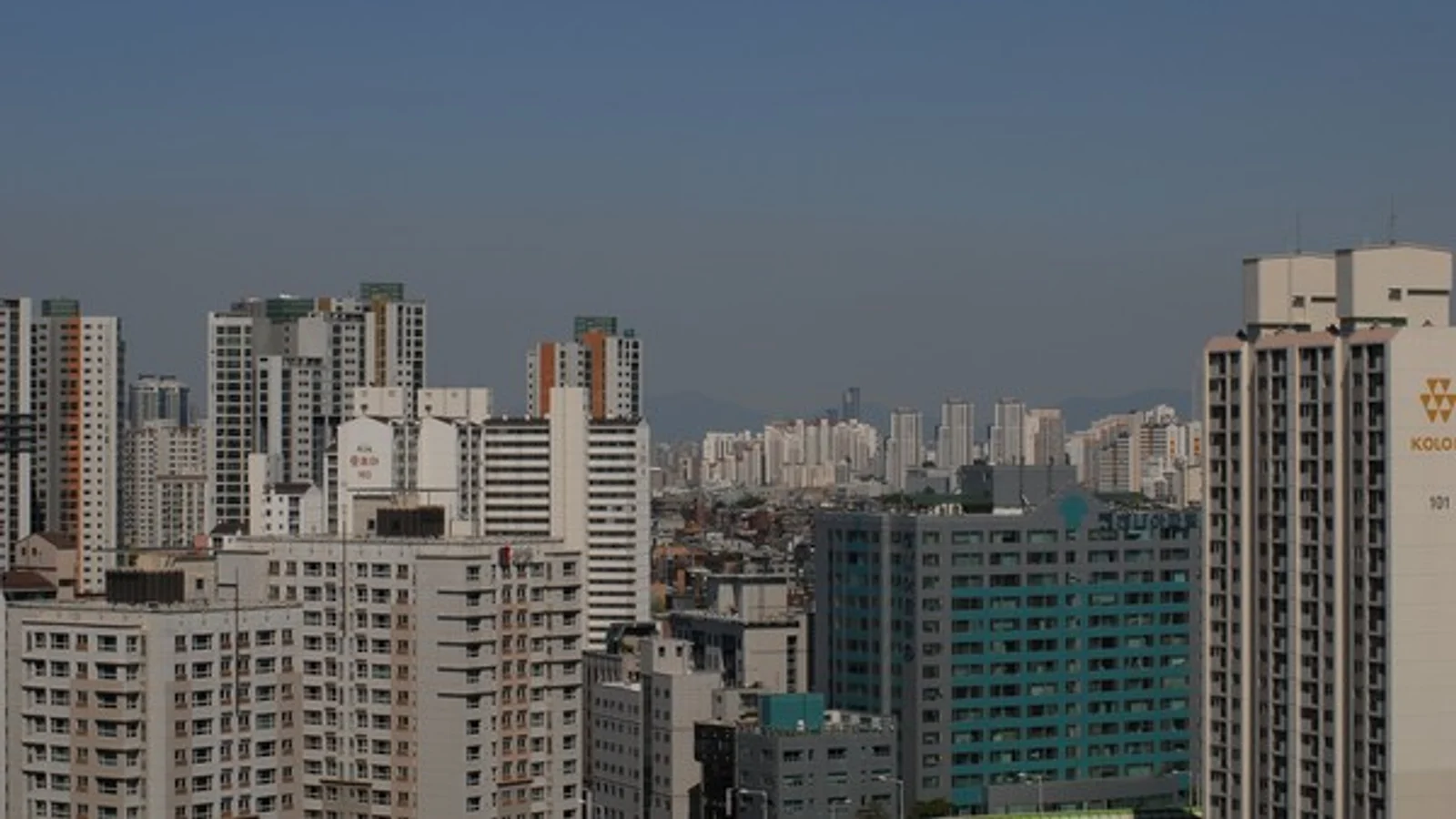
More than half of South Koreans expect housing prices to rise over the next year, yet contrary to the government's moves to regulate the jeonse (lump-sum deposit rental) system, they support maintaining the system.
[Expectation of Housing Price Rise Regains Dominance... Only 14% Expect a Decline] According to a survey conducted by Gallup Korea from June 30 to July 2 on 1,005 adults aged 18 and older nationwide, 55% of respondents said housing prices would 'rise' over the next year. Meanwhile, 14% said prices would 'fall,' 21% expected 'no change,' and 10% reserved their opinion.
Housing price expectations have shown a clear divergence this year. Immediately after the current administration took office in July of last year, the expectation of rising prices was dominant at 42%, which rose to 48% by late January this year. Subsequently, in early March, following the announcement of the 'Jan. 29 Metropolitan Area Housing Supply Plan,' the expectation of falling prices (46%) overtook that of rising prices. However, in this latest survey, the expectation of rising prices has regained the upper hand. This is interpreted as a reflection of the current market conditions, where both transaction prices and jeonse rental prices continue to rise, particularly in the metropolitan area, and the shift from jeonse to monthly rent is becoming more pronounced due to a decrease in available jeonse properties.
[Amid Government Regulatory Discussions, 54% Say "Jeonse System Needs to Be Maintained"] The government has recently cited jeonse loans as a factor stimulating housing price increases, suggesting the need for stronger loan regulations and long-term systemic reforms. However, public perception of the jeonse system itself remains positive.
When presented with two perspectives on the jeonse system, 54% of respondents said it 'has more advantages and is a necessary system going forward.' In contrast, only 28% said it 'has more disadvantages and should disappear in the future,' while 19% reserved their opinions. Regardless of respondent characteristics or political inclination (including progressive voters), the opinion that the jeonse system should be maintained was dominant across most demographics.
- *[Survey Overview and Key Details]**
- Survey Organization: Gallup Korea (independent survey)
- Survey Period: June 30 – July 2
- Survey Target: 1,005 adults aged 18 and older nationwide
- Survey Method: Telephone interviews (CATI) using virtual numbers provided by three mobile carriers
- Margin of Error: ±3.1 percentage points at a 95% confidence level
- Other Indicators: Contact rate of 46.8%, response rate of 10.2%
[This article was written with the assistance of AI. It is based on public opinion poll results, and actual policy decisions or market forecasts may change depending on future economic conditions and government policies.]
CBC Globe publishes verified stories with editorial review, source checks, and tenant-specific publication standards.
Related Articles

Goyang Special City Appoints Girl Group RESCHNÉE as First PR Ambassadors of 9th Popularly Elected Term... Highlighting City's Charm Through Member May's Hometown Connection

STAYC to Hold 2026 Fan Concert Tour 'STAY CLOSER'… Global Schedule Confirmed from Seoul to Australia

Cashwalk Money-Earning Quiz July 3 Answers Revealed... Sohui Nerdasale·CJ ONE 'Wonder Week'