Today's Gold Prices and Silver/Platinum Trends for July 21, 2026... 'Escalation Driven by Middle East Tensions and Red Sea Maritime Blockade'
**Domestic Major Precious Metal Prices as of July 21, 2026** According to GoldPrice.com, the domestic precious metals market as of July 21, 2026 recorded an ove
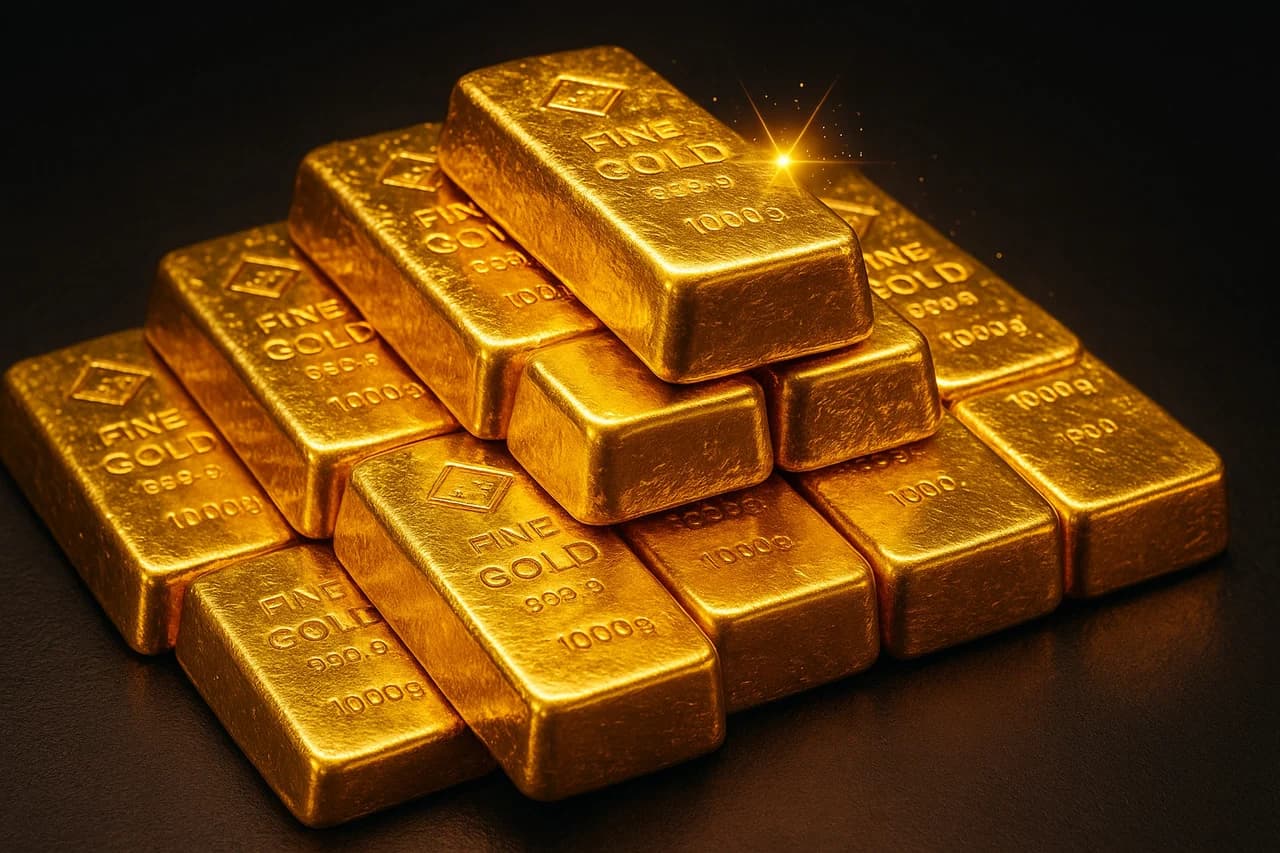
Domestic Major Precious Metal Prices as of July 21, 2026 According to GoldPrice.com, the domestic precious metals market as of July 21, 2026 recorded an overall upward trend, continuing from the previous trading day. The price trends for major items are as follows.
- Pure Gold (3.75g): Purchase price 839,000 won (up 10,000 won from the previous day), selling price 723,000 won (up 1,000 won)
- 18K (3.75g): Selling price 533,000 won (up 1,000 won)
- 14K (3.75g): Selling price 414,000 won (up 1,000 won)
- Platinum (3.75g): Purchase price 328,000 won (up 4,000 won), selling price 274,000 won (up 4,000 won)
- Silver (3.75g): Purchase price 11,150 won (up 300 won), selling price 11,550 won (up 1,200 won) ※ The silver selling price recorded the largest increase among all precious metals on this day.
Middle East Situation Escalating... Impact of the Red Sea Maritime Blockade Declaration? As the precious metals market, which reflects international geopolitical dynamics, continues to fluctuate, the likelihood is growing that the fallout from the armed conflict between the United States and Iran could spread beyond the Strait of Hormuz to the Red Sea.
On the 20th (local time), Yemen's Houthi rebels issued a statement through a spokesperson, declaring "a maritime blockade against the criminal state of Saudi Arabia, effective immediately." The area targeted for blockade by the Houthi rebels is the Bab el-Mandeb Strait, which connects the Red Sea to the Arabian Sea.
According to the New York Times (NYT), the strait serves as a major alternative route for Saudi crude oil exports and is a critical waterway through which more than 3% of the world's seaborne oil shipments pass. Therefore, if the Houthi rebel blockade becomes a reality, it is projected to deal a significant blow to the global oil supply chain.
[This article is not intended to solicit investment. All final investment decisions and responsibilities lie with the investor.]
CBC Globe publishes verified stories with editorial review, source checks, and tenant-specific publication standards.
Related Articles

Hanwha Ocean Stock Weakens Despite KOSPI Surging Over 3%... Can It Rebound in the May 22 Session?

HLB Group Stocks See Mixed Fortunes by Issue... All Eyes on Market Direction for the 22nd
Samchundang Pharm (000250) Plunges 29% After Previous Day's Limit-Up in 'Rollercoaster'… Volatility Expands Following Receipt of FDA Response on Semaglutide