
Doosan Enerbility Closes at 72,000 Won... Focus Shifts to Rebound Prospects Next Week Amid Plunge in U.S. Nuclear Power Stocks
Doosan Enerbility (034020) closed in the 72,000 won range on the domestic stock market on the 24th, down more than 1% from the previous trading day. As selling
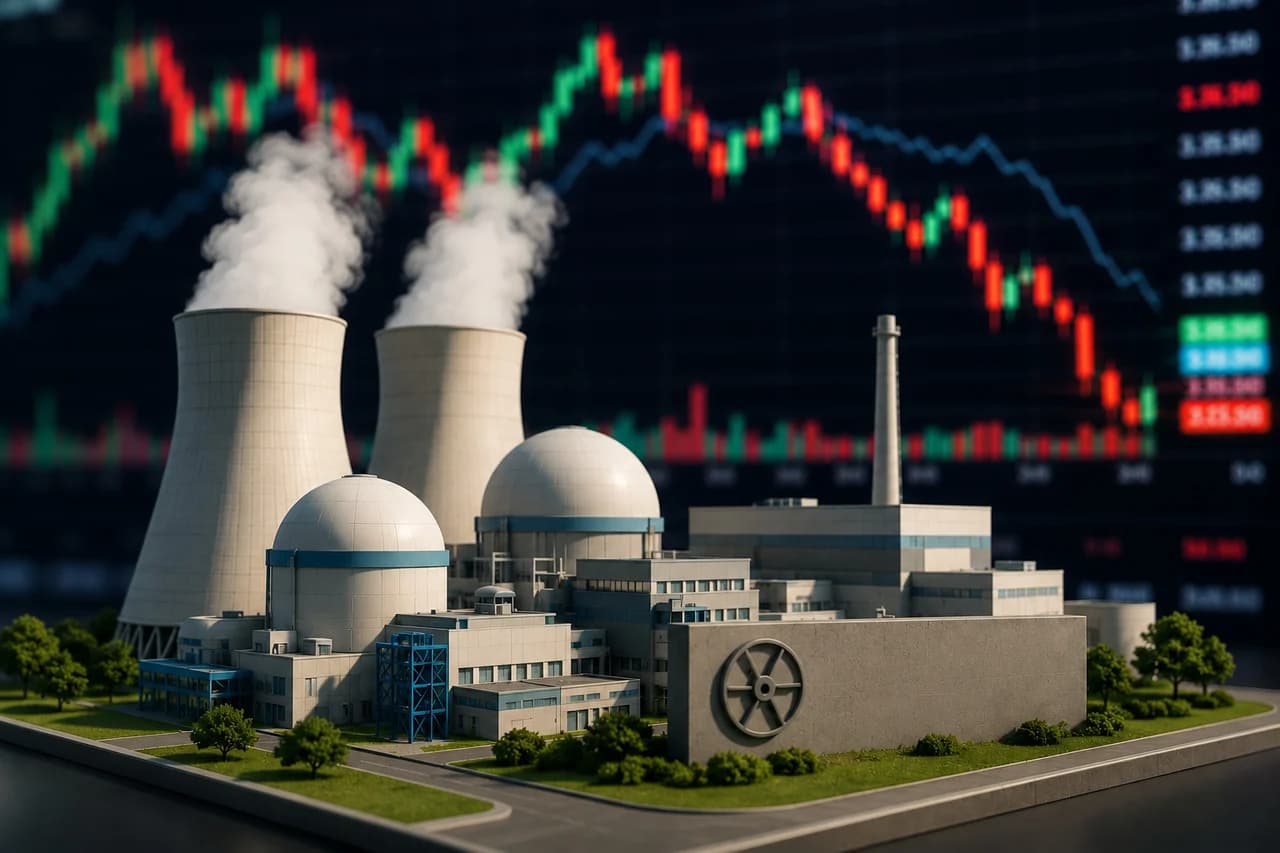
Doosan Enerbility (034020) closed in the 72,000 won range on the domestic stock market on the 24th, down more than 1% from the previous trading day. As selling pressure spread across the broader market, the stock price also showed weakness. Investors' attention is now focused on the stock's direction on the first trading day of next week.
On the same day (local time), the U.S. New York Stock Exchange closed mixed. This was driven by international oil prices turning lower for the first time in six trading sessions and profit-taking sell-offs centered on semiconductor stocks. The Dow Jones Industrial Average rose 235.60 points (0.46%) from the previous session to 51,947.25, and the S&P 500 index gained 0.05%. Meanwhile, the Nasdaq index fell 0.64%.
U.S. nuclear power-related stocks also broadly weakened. In particular, Oklo and NuScale Power each plunged more than 8%, reflecting shrinking investor sentiment. Attention is now focused on how the spread of selling pressure in U.S. nuclear power stocks will affect domestic nuclear power stocks.
Expectations for power infrastructure investment driven by expanding global electricity demand and the growth of AI data centers are cited as mid- to long-term investment themes for the nuclear power industry. However, the market consensus is that recent short-term volatility should be taken into consideration. Ultimately, whether investor sentiment in the domestic stock market recovers is expected to serve as the key variable determining the short-term direction of Doosan Enerbility's stock price.
[This article is not intended to solicit investment in any specific stock, and all investment decisions and responsibilities lie with the investor.]
CBC Globe publishes verified stories with editorial review, source checks, and tenant-specific publication standards.
Related Articles
Woori Technology (032820) Fierce Battle to Defend 10,000-Won Level: Will New Week Trading Bring a Rebound?

Gold Prices Defend $4,000 Mark Today... Middle East Risks Back in Focus as Trump Pursues 'Parallel Diplomacy and Military Approach with Iran'

KOSDAQ Plunges to 748 Level... Alteogen, Ecopro BM, and Other Top Market Cap Stocks Turn 'Hollow'... Focus Shifts to Rebound in New Week