
Hyundai Mobis Pushes Lamp Business Divestment and A/S Operating Margin Above 27%... Accelerating Restructuring Toward Automotive Electronics and Software
Hyundai Mobis is pushing ahead with the sale of its low-profitability lamp business while recording a high operating profit margin of around 27% in its after-sa

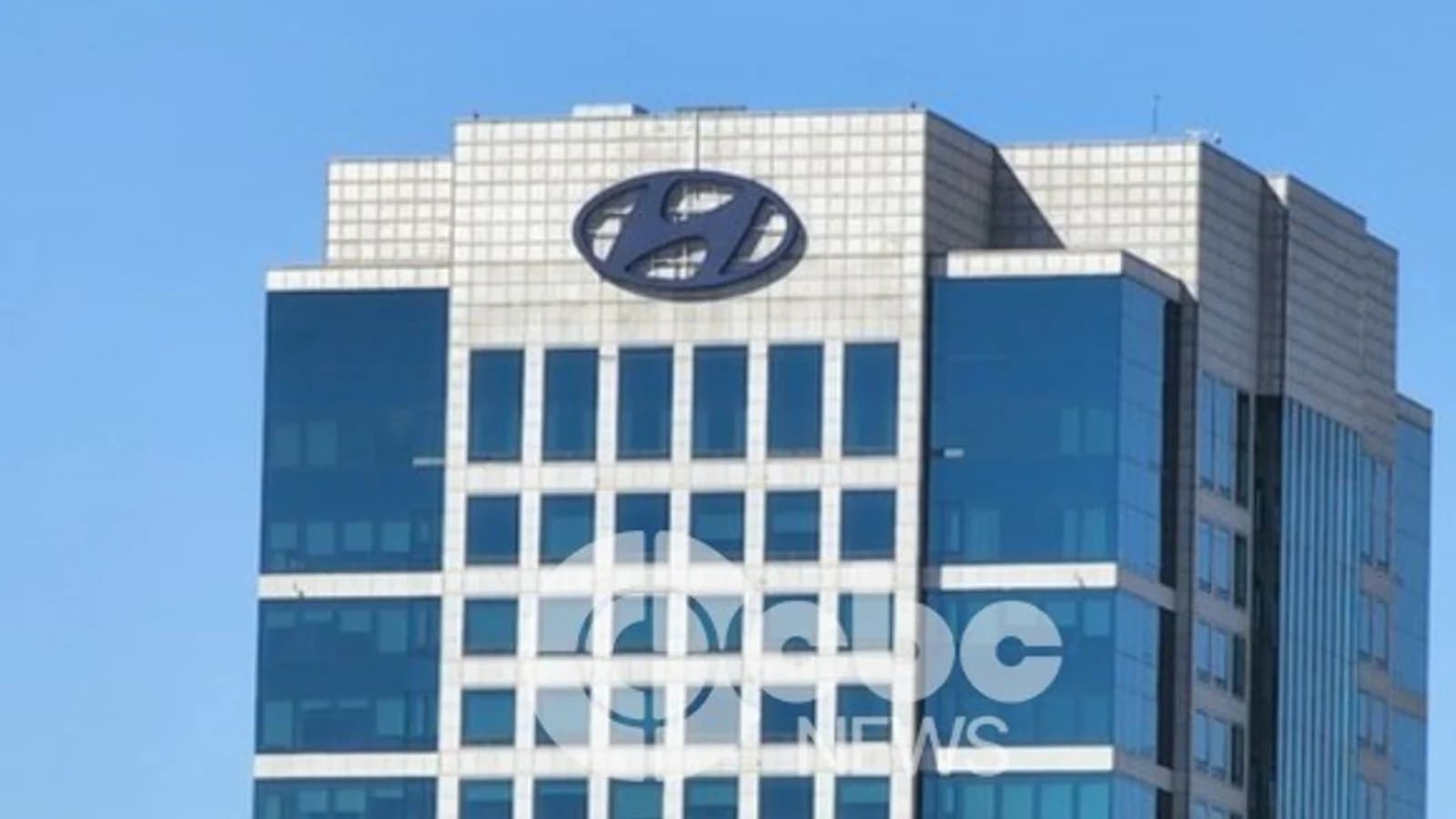
Hyundai Mobis is pushing ahead with the sale of its low-profitability lamp business while recording a high operating profit margin of around 27% in its after-sales (A/S) division, accelerating the reorganization of its business portfolio centered on automotive electronics, electrification, and software. This is a strategy to break away from its traditional adherence to manufacturing businesses and concentrate its capabilities on high-value core components.
According to the Korea Exchange, Hyundai Mobis announced its Q2 2026 earnings on July 24. The earnings report showed that Q2 revenue was approximately 16.3 trillion won, up 2.4% year-on-year, while operating profit stood at 975.2 billion won, a 12.1% increase.
The core division driving this earnings improvement is the A/S business. According to a report by Pinpoint News citing securities firm analyses, Hyundai Mobis' Q2 A/S division operating profit margin reached 27.8%. This marks the first time the figure has entered the 27% range in about 16 years, since Q2 2010 (27.7%). The A/S division, which supplies genuine parts for Hyundai Motor and Kia vehicles, relies on the maintenance and parts replacement demand of existing vehicles rather than new car sales. Therefore, it is evaluated as a relatively stable cash generator despite fluctuations in finished vehicle production.
According to the company's official website, Hyundai Mobis operates smart mobility core components, module manufacturing such as chassis, cockpit, and front-end modules, as well as the A/S parts business. It explicitly states that it is concentrating its capabilities on autonomous driving, connectivity, and electrification, transitioning into a mobility solutions company that combines software and hardware.
Alongside the shift toward high-value businesses, the company is simultaneously restructuring its existing low-profit businesses. According to the Korea Economic Daily, Hyundai Mobis signed a memorandum of understanding (MOU) with French auto parts company OP Mobility in January for the sale of its lamp business division. The two companies are currently in discussions regarding the transaction structure and scale, with the aim of finalizing a definitive agreement. In May, the Maeil Business Newspaper reported that the labor union of Hyundai IHL, a lamp manufacturing subsidiary of Hyundai Mobis, approved an employment stability plan related to the business sale through a member vote. It is known that the agreement with OP Mobility includes a clause to fully take over the employment of existing employees.
The Maeil Business Newspaper also analyzed that Hyundai Mobis is reorganizing its business structure by restructuring manufacturing-centered, low-profit businesses such as lamps and bumpers, and shifting focus toward chassis, automotive electronics, and software sectors. This is interpreted as a strategy to concentrate investments in technologically demanding fields in response to the expanding influence of Chinese parts manufacturers, which leverage price competitiveness. However, the lamp business sale is currently at the MOU and labor-management employment stability agreement stage; the final contract and transaction closure remain to be confirmed.
Meanwhile, Hyundai Mobis is also actively expanding its R&D investments and efforts to secure orders from overseas automakers. According to Car Magazine, the cost invested in research and development (R&D) in the first half of 2026 was 950.8 billion won, which accounts for about 44% of the annual investment plan (2.1631 trillion won). During the same period, the company secured core component orders worth 740 million USD from global customers outside the Hyundai Motor Group.
Behind the expansion of external orders lies the issue of a high proportion of intra-group transactions. According to the Korea Financial Daily, Hyundai Mobis' intra-group transaction revenue in Q1 2026 was 12.6308 trillion won, accounting for about 81.2% of total revenue (15.5605 trillion won). While this has the advantage of securing stable business volume through Hyundai Motor and Kia, some point out that it could be a limiting factor when evaluating an independent overseas customer base and profitability. For reference, these figures are based on inter-affiliate transactions and should not be interpreted as the final revenue dependence on Hyundai Motor and Kia, as transactions eliminated during the preparation of consolidated financial statements must be taken into account.
Shareholder return policies are also being steadily implemented. According to a Korea Exchange disclosure, Hyundai Mobis decided in April to acquire and cancel 500 billion won worth of treasury shares (1,129,943 common shares) to enhance shareholder value.
The key to Hyundai Mobis' business reorganization is not simply the sale of the lamp business, but rather how much revenue and profit from automotive electronics, software, and electrification components will fill that void. While the high profitability of the current A/S division is protecting overall earnings, long-term growth requires that secured cash be effectively channeled into R&D, new orders, and the mass production of automotive electronic components. Going forward, the final outcome and conditions of the lamp business sale, global order performance, and changes in the profitability of the module and core component divisions will be key points of market interest.
[This article is for reference purposes for investment decisions and does not recommend the purchase or sale of any specific stock. The responsibility for stock investments lies with the investor. This article was written with AI assistance.]
CBC Globe publishes verified stories with editorial review, source checks, and tenant-specific publication standards.
Related Articles
![[Breaking] Nature Cell Grants 277,000 Stock Options to 92 Employees at Exercise Price of 24,820 Won Per Share](/_next/image?url=https%3A%2F%2Fmedia.cbcglobe.com%2Ftenants%2Fcbc00000-0000-4000-8000-000000000001%2Fmedia%2Fcbc%2F2026%2F07%2F587622%2F8e1f864f4ae0d6ac%2Fvariants%2Fhero.webp&w=1920&q=75)
[Breaking] Nature Cell Grants 277,000 Stock Options to 92 Employees at Exercise Price of 24,820 Won Per Share

Quantum Computing-Related Stocks Rally Across the Board... Finetek Surges 9.97%, ALT and Solid Climb Over 8%
Hyundai and Kia Post Record U.S. Sales in July... 5% Growth Driven by Hybrid Demand
![[Market Briefing] HLB Group Stocks Rally Across the Board... Volatility Rises as VI Triggered for Some Stocks](/_next/image?url=https%3A%2F%2Fmedia.cbcglobe.com%2Ftenants%2Fcbc00000-0000-4000-8000-000000000001%2Fmedia%2Fcbc%2F2026%2F06%2F580558%2Fe71c71593626b654%2Fvariants%2Fhero.webp&w=1920&q=75)