
Ripple (XRP) at a Critical Juncture... CLARITY Act Passage and Security Risks Under 'Simultaneous Scrutiny'
Attention in the Ripple (XRP) market is focused on two pillars: U.S. digital asset regulatory legislation and asset custody security. With uncertainty surroundi
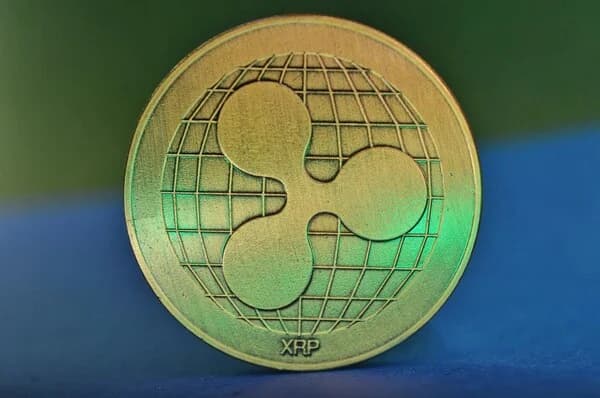
Attention in the Ripple (XRP) market is focused on two pillars: U.S. digital asset regulatory legislation and asset custody security. With uncertainty surrounding whether the U.S. "Digital Asset Market Clarity Act" will reach the final legislative stage, compounded by a hardware wallet security incident, observers note that investors must simultaneously assess regulatory and custody risks.
CLARITY Act to Determine XRP's Direction
CryptoAstrol, a cryptocurrency market participant, recently claimed on social media that "XRP stands at an important crossroads, and the CLARITY Act remains a key factor that will determine its short-term direction." XRP investors are watching the bill closely because it could bring greater clarity to how digital assets are classified and traded—whether as securities or commodities.
However, the CLARITY Act is not a mechanism that guarantees a rise in XRP's price. It is difficult to predict short-term market movements based solely on whether the bill passes. A comprehensive review of the final text, detailed regulations from supervisory authorities, and responses from exchanges and financial institutions is needed to assess its practical impact.
Coldcard Incident Unrelated to XRP... Custody Risk Warning Light Activated
Custody security issues have also emerged as a new market variable. Recently, a vulnerability related to recovery phrase generation was discovered in certain older firmware of Coldcard, a Bitcoin-only hardware wallet, leading to a large-scale asset theft believed to have exploited this flaw. The scale of the damage is being tallied differently depending on the timing of the investigation and the institution involved, but multiple Bitcoin wallets are reported to have been affected.
This incident is not a case of the XRP Ledger or Ripple's payment and custody systems being hacked. Coldcard is a Bitcoin-only device, and the issue is understood to have stemmed from a firmware defect in a specific hardware wallet. Linking this to an XRP security problem is inaccurate.
Nevertheless, this event demonstrates that offline wallets are never immune to product defects or recovery phrase management failures. Personal wallets can reduce the risks of exchange bankruptcies or withdrawal suspensions, but individuals must take full responsibility for their private keys and recovery phrases. Conversely, exchange custody offers high convenience but carries the structural limitation of increased dependence on the platform's financial health, security, and withdrawal policies.
Issues to Review Amid Ripple's Custody Business Expansion
Ripple is also expanding "Ripple Custody," which provides digital asset custody technology to financial institutions and enterprises, as a major business. Ripple describes the custody service as institutional infrastructure connecting stablecoins, tokenized assets, and trading services.
Ultimately, the key checkpoint for the XRP market depends on whether the CLARITY Act actually passes a full Senate vote and how jurisdictional standards between the SEC and CFTC are settled in the final version. At the same time, investors need to abandon the assumption that any single custody method is absolutely safe, separate long-term holdings from trading assets, and review wallet firmware and the generation and storage procedures for recovery phrases.
[This article was written with AI assistance. This article is intended to provide information related to virtual assets and does not recommend investment in or use of any specific virtual asset or exchange. Virtual assets may result in principal losses due to price volatility, hacking, loss of private keys, exchange withdrawal restrictions, and other factors.]
CBC Globe publishes verified stories with editorial review, source checks, and tenant-specific publication standards.