
Heat Advisories Expanded, 82% of Heat-Related Deaths Among Elderly... Government Mobilizes Full Effort for 'Zero Casualties' in Rural Areas and Workplaces
Among this year's heat illness fatalities, seniors aged 65 and older accounted for the largest share with 19 deaths (82.6%). In particular, 7 deaths (30%) occur
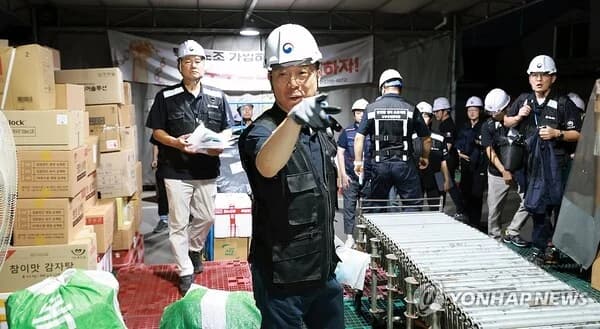
Among this year's heat illness fatalities, seniors aged 65 and older accounted for the largest share with 19 deaths (82.6%). In particular, 7 deaths (30%) occurred in agricultural fields and rural areas, while 6 deaths (26.1%) took place at indoor and outdoor workplaces, indicating that the majority of fatalities occurred during work.
The Korea Meteorological Administration announced on the 8th that while heat advisories have been issued for most areas nationwide, a severe heat warning—posing a potential threat to life—has been in effect for the Seoul metropolitan area, inland Gangwon province, and parts of the Jeolla region. As extreme heat persists, special attention to health management is urged.
Under these circumstances, the Central Disaster and Safety Countermeasures Headquarters (CDSCHQ) has decided to focus all administrative capabilities on preventing casualties, with a particular emphasis on the elderly, agricultural sites, and indoor and outdoor workplaces. This measure follows the directive to strengthen the government-wide response system, as emphasized during the 'Heat Wave and Drought Response Review Meeting' chaired by the President on the 6th.
Under the leadership of the CDSCHQ, the government will establish emergency response mechanisms (such as incident support headquarters) within relevant ministries, including the Ministry of Agriculture, Food and Rural Affairs, the Ministry of Health and Welfare, and the Ministry of Employment and Labor, and deploy field-focused administrative resources to minimize heat wave damage. The key response measures by major ministries are as follows.
• Ministry of Agriculture, Food and Rural Affairs: Will focus on protecting elderly farmers and preventing damage in the agricultural and livestock sectors. Cooling supplies will be delivered directly to elderly farmers, and medical services will be provided through 'Rural Clinic Buses.' Additionally, the distribution of preventive supplies, such as heat stress stabilizers, will be expanded to prevent damage to livestock and crops. • Ministry of Health and Welfare: Will pursue tailored measures to protect vulnerable groups, including elderly individuals living alone. Field outreach and cooling supply support tailored to the characteristics of recipients will be strengthened, and the operational status of senior community centers among heat shelter facilities will be continuously inspected to ensure safe use by the elderly. • Ministry of Employment and Labor: Will strengthen workplace inspections targeting outdoor workers, migrant workers, and mobile workers. Centered on heat-vulnerable workplaces such as construction sites and logistics centers, the ministry will intensively inspect compliance with work suspension measures at each heat advisory level and supervise adherence to the 'Five Basic Rules for Heat Safety.'
Meanwhile, the CDSCHQ will hold a 'Heat Wave Disaster Response Headquarters Meeting' on the 9th with relevant ministries participating, to comprehensively review each agency's response status and discuss additional measures in preparation for the prolonged heat wave.
CDSCHQ Director and Minister of the Interior and Safety Yoo Ho-jung stated, "In response to the extreme heat wave, we will concentrate all administrative capabilities to ensure that heat wave and drought countermeasures operate seamlessly on the ground, with the CDSCHQ at the center and close cooperation among relevant ministries and local governments." He added, "We will operate a total government-wide response system with the protection of citizens' lives and safety as our topmost priority."
CBC Globe publishes verified stories with editorial review, source checks, and tenant-specific publication standards.
Related Articles

KiiiKiii Reveals MV Teaser for 3rd Mini Album 'WhyKiiiKiii' Title Track 'Pop Off Pop Off'... Comeback on the 10th

CORTIS Surpasses 15 Million Instagram Followers... Fastest Record in K-Pop Group History

Motorboat Capsizes off Yeosu Odongdo... 1 Dead, 1 Missing Among 5 Passengers