
SK Hynix to Invest 54 Trillion Won in Yongin and Cheongju to Lead AI Memory Supply Chain Including HBM
SK Hynix is making a massive investment in the Yongin semiconductor cluster and the Cheongju production base, stepping up to strengthen the domestic semiconduct
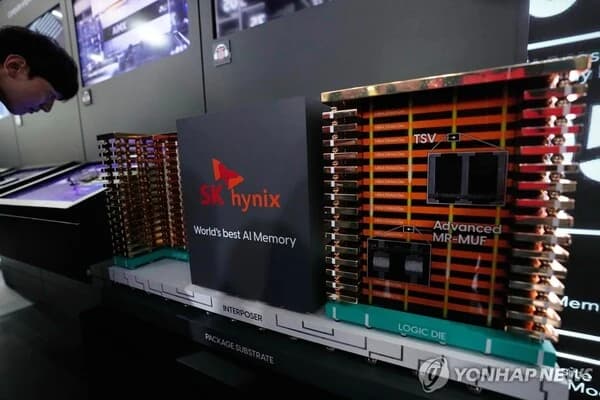
SK Hynix is making a massive investment in the Yongin semiconductor cluster and the Cheongju production base, stepping up to strengthen the domestic semiconductor ecosystem and secure future growth engines. This is evaluated as a preemptive move to seize the upper hand in the global AI supply chain.
■ 54.3246 Trillion Won to Be Invested in New Yongin and Cheongju Fabs Through a board resolution, SK Hynix confirmed that it will invest a total of 54.3246 trillion won in the construction of the Yongin Fab 2 (Y2) and the Cheongju M17 fab. This amount is equivalent to approximately 45% of the company's consolidated equity. Specifically, 35.2246 trillion won will be invested in the construction of Yongin Y2, and 19.1 trillion won will be invested in the construction of the Cheongju M17 fab. This investment is part of the existing mega-projects worth 600 trillion won in Yongin and 100 trillion won in Cheongju.
■ Yongin Cluster Completion Moved Up by 12 Years… Full-Scale Construction to Begin Next Year The completion timeline for the Yongin cluster, originally scheduled for 2045, has been moved up to 2033, advancing by 12 years. The first-phase infrastructure is currently 99% complete, and the construction of subsequent plants is progressing rapidly. The Yongin Y2 fab, with a total floor area of 1,127,273 square meters (341,000 pyeong), will be used as a production hub for next-generation DRAM, including High Bandwidth Memory (HBM). Construction is scheduled to begin in July of next year, with the first cleanroom expected to be operational in June 2029. The Cheongju M17 fab, with a total floor area of 680,992 square meters (206,000 pyeong), will begin construction in February of next year and open its first cleanroom in December 2028. The investment execution will continue through April 2031. Given Cheongju's characteristics as the location of existing NAND production fabs such as M11, M12, and M15, the company plans to achieve rapid construction and production efficiency through linkage with the new M17.
■ Targeting AI Memory Demand… Shareholder Returns Including Dividends Also Strengthened With the spread of AI services, demand for NAND flash, such as enterprise solid-state drives (eSSDs), is surging. In addition, with the full-fledged emergence of AI inference, agentic AI, and physical AI, memory demand is expected to expand further in the future. SK Hynix is focusing on securing mid- to long-term production bases to respond to these market changes. Along with the investment, the shareholder return policy has also been fleshed out. At the board meeting, a quarterly dividend of 375 won per share of common stock was decided. The total dividend amount is approximately 273.3 billion won, and the dividend record date was set for August 31. This is in accordance with the regular quarterly dividend policy of paying the annual fixed dividend of 1,500 won in four installments. SK Hynix is operating a structure that utilizes 50% of its cumulative free cash flow (FCF) from 2025 to 2027 as a source of funds for shareholder returns, and plans to finalize and announce additional shareholder return measures during the third quarter.
SK Hynix stated, "In the AI era, not only technological competitiveness but also the ability to supply the volume customers want in a timely manner is key," and added, "We have made preemptive investment decisions after closely reviewing market demand." This investment is expected to greatly contribute not only to expanding production capacity but also to revitalizing the domestic semiconductor industry and the regional economy.
CBC Globe publishes verified stories with editorial review, source checks, and tenant-specific publication standards.
Related Articles
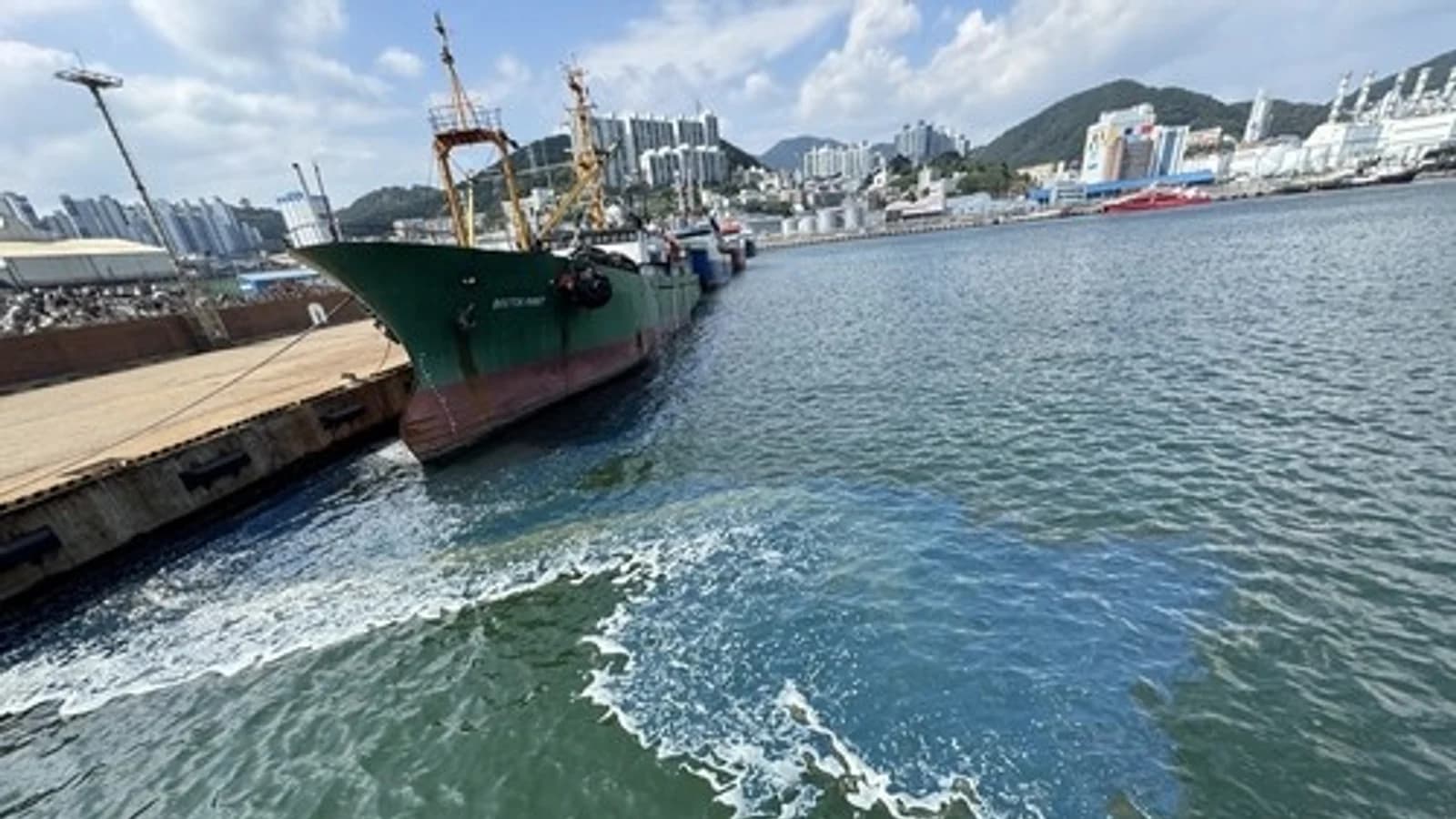
425L of Diesel Spills from Russian Cargo Ship at Busan's Gamcheon Port... Coast Guard Completes 5-Hour Emergency Containment
Patient Dies After Inadequate Response Following Colonoscopy Perforation... Doctor's Suspended Sentence Maintained on Appeal
![[Weather] Past Ipchu but Heatwave and Tropical Nights Persist... Southern Region Drought Worsens, Feels-Like Temperature to Reach 35°C Next Week](/_next/image?url=https%3A%2F%2Fmedia.cbcglobe.com%2Ftenants%2Fcbc00000-0000-4000-8000-000000000001%2Fmedia%2Fcbc%2F2026%2F08%2F596059%2F4001547191174542%2Fvariants%2Fhero.webp&w=1920&q=75)
[Weather] Past Ipchu but Heatwave and Tropical Nights Persist... Southern Region Drought Worsens, Feels-Like Temperature to Reach 35°C Next Week