
Weak U.S. Jobs Data Fuels Expectations of Fed Rate Pause... S&P 500 Hits All-Time High
U.S. stock markets in New York rallied across the board on July 7 (local time), driven by strength in technology stocks. Notably, the S&P 500 index surpassed th
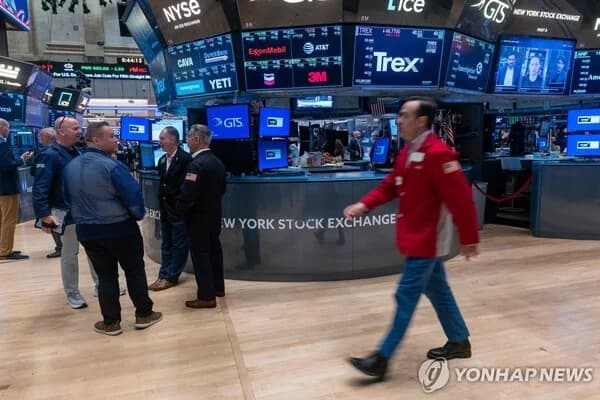
U.S. stock markets in New York rallied across the board on July 7 (local time), driven by strength in technology stocks. Notably, the S&P 500 index surpassed the 7,700 mark for the first time in history. This week, the S&P 500 rose 3.58%, setting a new all-time high for the second time in two days, while the Nasdaq (5.19%) and the Dow Jones Industrial Average (2.96%) also posted strong weekly gains.
Expectations of a 'Fed Rate Pause' Spread Amid Weak Employment The key driver behind the market rally was news from the U.S. Department of Labor that nonfarm payrolls declined in July. Nonfarm employment fell by 23,000, significantly missing market expectations of an 83,000 increase. The unemployment rate dropped to 4.1%, but this was largely due to the labor force participation rate falling to its lowest level in five years. The weak jobs data fueled expectations among investors that the U.S. Federal Reserve (Fed) is less likely to raise interest rates further. A day earlier, the probability of a rate hike in September was estimated at 55%, but as of this day, forecasts of a rate pause became dominant.
Tech Stocks Lead the Rally... Palantir, SpaceX Surge Amid this trend, investors aggressively bought into technology stocks. Atlassian, which reported strong earnings and outlook, soared 36%, while Airbnb also rose 15% on robust results, and Cloudflare gained 4%. Palantir, which has stood out in the artificial intelligence (AI) race, surged nearly 40% over the week, closing the day up 10.32% at $172.01. Space exploration company SpaceX also finished the week with strong gains after some intraweek volatility. On July 7, it jumped 15.83% to close at $133.11, bringing its weekly gain to 22.8%. Although it fell short of its all-time intraday high of $225.64 set on June 16, the gap with its IPO price of $135 narrowed to just 1.4%. Its stock had previously declined following its first earnings report since its initial public offering (IPO) due to the burden of massive AI investments, but a two-day surge on July 6–7 reversed the downtrend. Analysts attribute the buying momentum to the perception that all negative factors, including the expiration of lock-up periods, have been fully priced in. Among big tech stocks, Nvidia rose 2.27% to $223.96, surging 11.6% over the week as demand for AI chips was confirmed. Meanwhile, Alphabet closed down 0.96% at $354.30 amid news of a leadership reshuffle in its AI division. Alphabet fell for three consecutive days after reaching a high of $377.65 on July 4, ending the week down 0.5%. Memory chipmaker Micron closed down 0.44% at $877.57, and SK Hynix's American Depositary Receipts (ADR) fell 3.92% to $137.91.
International Oil Prices Rebound and Expert Forecasts International oil prices rose slightly as markets monitored the outcome of negotiations between the U.S. and Iran over the reopening of the Strait of Hormuz. West Texas Intermediate (WTI) crude closed at $78.18 and Brent crude at $83.55. The market had fallen the previous day on news that Iran was pursuing legislation to ban U.S. and Israeli ships from transiting the Strait of Hormuz, but oil prices rebounded within a day. Experts' analyses are also positive. Saira Malik, Chief Investment Officer (CIO) of U.S. asset management firm Nuveen, analyzed, "The labor market is not booming and could actually be crumbling, but this jobs report has weakened the case for further Fed rate hikes." Terry Sandven, Chief Equity Strategist at U.S. Bank Asset Management, also assessed that "concerns surrounding the market are easing amid expectations for U.S.-Iran negotiations."
CBC Globe publishes verified stories with editorial review, source checks, and tenant-specific publication standards.
Related Articles

Song Young-gil, Jung Chung-rae, and Kim Min-seok to Hold First TV Debate at KBC Gwangju Broadcasting on the 10th... All-Out Battle for Honam Votes

425L of Diesel Spills from Russian Cargo Ship at Busan's Gamcheon Port... Coast Guard Completes 5-Hour Emergency Containment
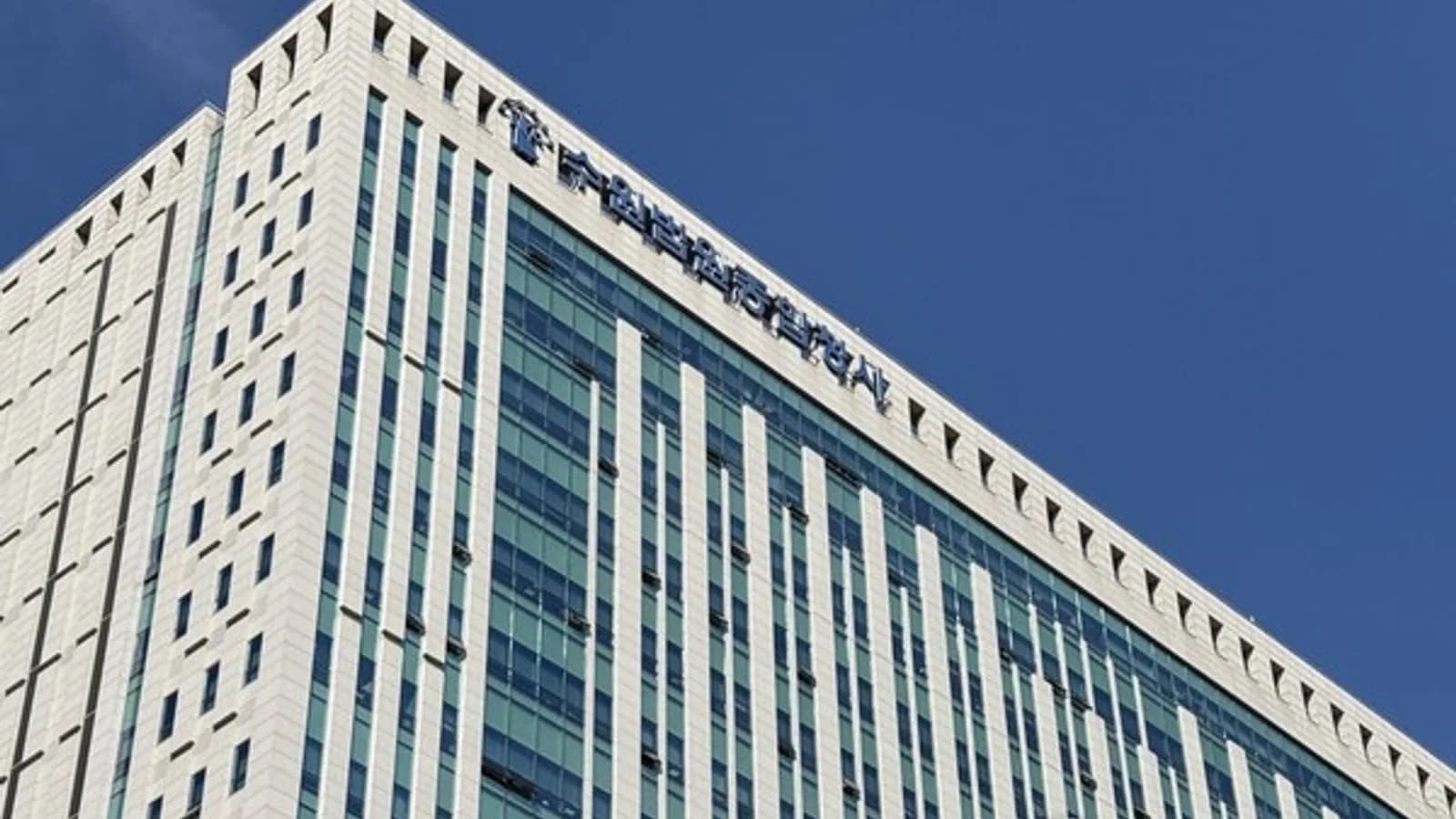
Patient Dies After Inadequate Response Following Colonoscopy Perforation... Doctor's Suspended Sentence Maintained on Appeal
![[Weather] Past Ipchu but Heatwave and Tropical Nights Persist... Southern Region Drought Worsens, Feels-Like Temperature to Reach 35°C Next Week](/_next/image?url=https%3A%2F%2Fmedia.cbcglobe.com%2Ftenants%2Fcbc00000-0000-4000-8000-000000000001%2Fmedia%2Fcbc%2F2026%2F08%2F596059%2F4001547191174542%2Fvariants%2Fhero.webp&w=1920&q=75)