
Doosan Fuel Cell Stock Recovers Most Losses to Close at 37,850 Won... Prolonged US-Iran Conflict Makes Fuel Cells an 'Energy Security' Variable
Doosan Fuel Cell was unable to escape intraday weakness on the 14th but recovered a substantial portion of its losses from the day's low to finish trading. As the conflict between the United States and Iran drags on and uncertainty in the international energy supply chain grows once again, market in
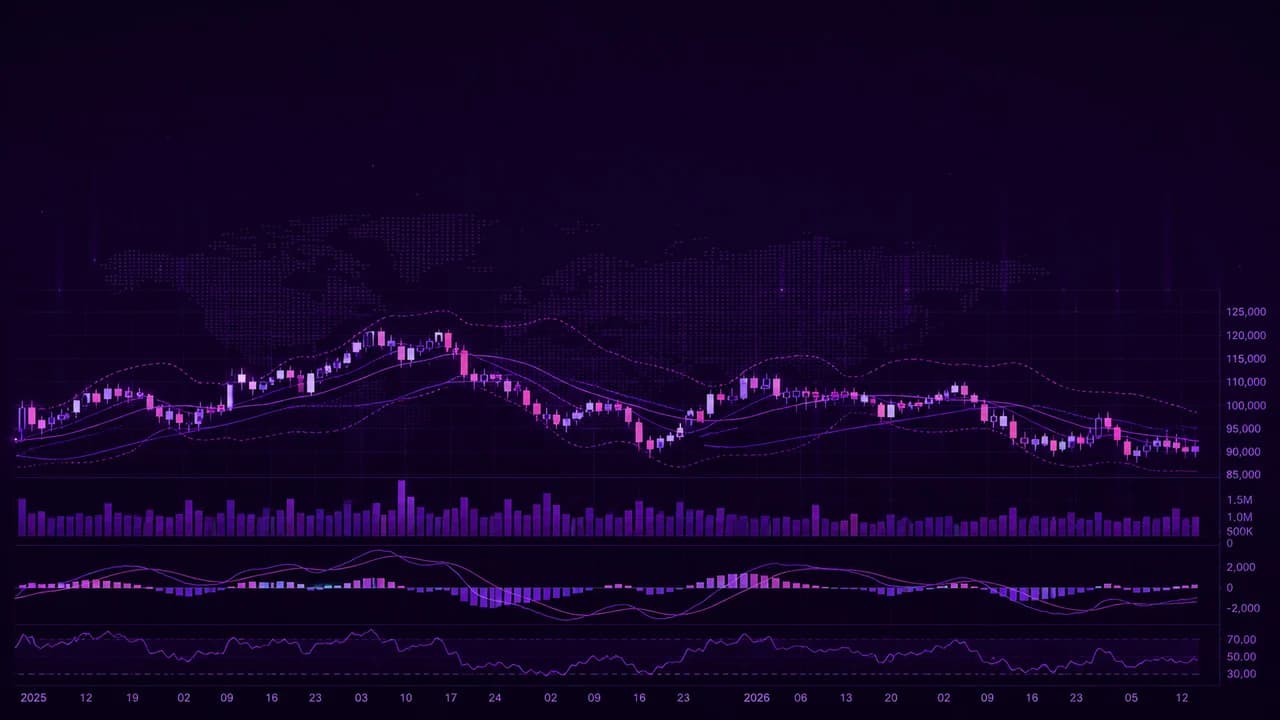
Doosan Fuel Cell was unable to escape intraday weakness on the 14th but recovered a substantial portion of its losses from the day's low to finish trading. As the conflict between the United States and Iran drags on and uncertainty in the international energy supply chain grows once again, market interest in distributed energy sources such as hydrogen and fuel cells continues as well.
■ Pushed Down to 36,400 Won Intraday Before Rebounding on Bargain Hunting
On the Korea Exchange on the 14th, Doosan Fuel Cell closed at 37,850 won, down 250 won from the previous day (a decline of 0.66%). The stock opened the day at 38,100 won and at one point rose as high as 38,450 won during the session.
The stock price traced sharp swings over the course of the day. After holding in the 38,000-won range early in the session, the stock came under growing selling pressure in the morning and was pushed down to the mid-36,000-won range, hitting an intraday low of 36,400 won. As bargain-hunting inflows picked up into the afternoon, the stock recovered to the high 37,000-won range, ultimately ending trading roughly 1,450 won above the day's low.
Trading volume was tallied at 599,888 shares, with market capitalization standing at around 2.4789 trillion won.
■ Prolonged US-Iran Conflict... Growing Energy Supply Chain Anxiety
Outside the market, the state of war between the United States and Iran has re-emerged as a major variable for the energy market. According to foreign media reports on the 14th, the United States raised the possibility of maintaining a maritime blockade against Iran for an extended period, while concerns persist over ship attacks around Iran and disruptions to maritime transport. As a result, the possibility of supply disruptions in Middle Eastern crude oil and liquefied natural gas (LNG) is acting as a source of instability in the international energy market.
What reignited tensions was a recent incident in which two oil tankers linked to the United Arab Emirates' state-owned oil company came under drone attack. The UAE side identified Iran as the perpetrator. Although there were no casualties, the risks surrounding the energy transportation network have grown even greater.
These geopolitical anxieties are also affecting international oil prices. On the 14th, international oil prices rose as escalating US pressure on Iran coincided with supply disruption concerns. However, rising US crude inventories and a slowing global demand outlook are cited as factors limiting the price gains to some extent.
■ Why Hydrogen and Fuel Cells Are Drawing Attention
Doosan Fuel Cell is a company whose business centers on fuel cells for power generation. Fuel cells convert fuels such as hydrogen into electricity through electrochemical reactions, and they are regarded as one of the distributed power generation sources capable of reducing dependence on large-scale transmission grids.
For this reason, when uncertainty in the international energy supply chain grows, not only traditional oil and gas but also the entire range of alternative energy systems—including hydrogen, nuclear power, renewable energy, and energy storage systems (ESS)—at times rise to become subjects of market evaluation.
■ 'No Basis to Conclude It Is Positive News'... Policy and Order Trends Are Key
However, there is no basis to conclude that the military conflict between the United States and Iran will translate directly into positive news for Doosan Fuel Cell's earnings. Fuel cell companies' stock prices are influenced by a wide range of variables beyond geopolitical issues, including government hydrogen power generation policy, orders for power generation projects, the scale of fuel cell equipment supply, profitability, and raw material prices. Therefore, short-term changes in international conditions and the company's mid- to long-term fundamentals need to be examined separately.
With the US-Iran confrontation heightening volatility across the energy market, future hydrogen- and fuel cell-related policies and order trends are expected to serve as variables that will determine the stock price's further direction.
[This article is not intended to recommend the purchase or sale of any specific stock. Stock prices can fluctuate sharply depending on corporate performance, disclosures, supply and demand, and market conditions, and any losses and responsibility arising from investment rest with the investor. AI provided partial assistance.]
CBC Globe publishes verified stories with editorial review, source checks, and tenant-specific publication standards.
Related Articles

Hanwha Ocean Stock Nears '100,000-Won Ocean' Milestone... Market Movement on the 18th After Holiday Break and Future Variables
Doosan Enerbility Closes Up 2.10%... TerraPower SMR Equipment Contract and Bill Gates' Korea Visit Provide Tailwind — Will the Rally Continue on the 18th?

LEENO Industrial Shares Fall to 68,800 Won Intraday Before Recovering Most Losses, Closing at 70,800 Won; 'Test Sockets' Seen as AI Semiconductor Growth Driver