
Complete Guide to Checking and Applying for Health Insurance Refunds: 3.076 Trillion Won for 2.26 Million People, Averaging 1.36 Million Won Per Person
Some 2.26 million Koreans who paid more in out-of-pocket costs for health insurance-covered medical expenses last year than their individual annual caps will receive refunds for the excess amounts. The total payout stands at 3.076 trillion won, with an average refund of about 1.36 million won per el

Some 2.26 million Koreans who paid more in out-of-pocket costs for health insurance-covered medical expenses last year than their individual annual caps will receive refunds for the excess amounts. The total payout stands at 3.076 trillion won, with an average refund of about 1.36 million won per eligible person.
The Ministry of Health and Welfare and the National Health Insurance Service (NHIS) announced on the 30th that they have finalized the individual out-of-pocket maximums for 2025 medical treatments and will begin the refund process on August 31.
2,262,605 Eligible Recipients, Up 5.9% from Previous Year
This year's payout covers 2,262,605 people, up 5.9% from 2,135,776 the previous year. The payout amount also rose 10.2%, from 2.792 trillion won in 2024 to 3.076 trillion won.
The out-of-pocket maximum system is a scheme in which the NHIS covers the amount by which a patient's annual health insurance-covered medical costs exceed an individual cap determined by income level and other factors. For 2025, the caps range from 890,000 won to 10.74 million won. However, medical costs not covered by health insurance, such as non-covered services and selective benefits, are not included in calculating the cap.
Benefits Concentrated Among Low-Income and Elderly; Scope Steadily Expanding
The scale of benefits has continued to grow. The number of recipients rose from 1,749,831 in 2021 to 2,011,580 in 2023 and 2,262,605 in 2025, with payouts increasing over the same period from 2.386 trillion won to 2.6278 trillion won and then 3.076 trillion won.
Payments were concentrated among lower-income and older groups. Recipients in the bottom 50% income bracket numbered 2,016,503, accounting for 89.1% of all recipients, and their payouts totaled 2.3556 trillion won, or 76.6% of the total refund amount.
By age, recipients aged 65 and older totaled 1,310,761, making up 57.9% of the total, with payments to them amounting to 2.0596 trillion won, about 67% of the total payout.
How to Check and Apply for Health Insurance Refunds
Some subscribers have already seen their medical cost burden reduced without a separate application. For 27,742 people whose co-payments at a single medical institution exceeded the then-highest cap of 8.26 million won, the NHIS pre-paid 184.6 billion won to the medical institutions. Excluding these pre-payments, the number of people confirmed as eligible for excess refunds is 2,261,271.
Of these, 1,312,819 who have registered a payment-consent account will receive refunds sequentially to their registered accounts starting September 2 without a separate application. Those who have not registered such an account must check the notice sent by the NHIS and apply directly. Therefore, those wondering whether they are eligible should check their health insurance refund status and eligibility through the NHIS.
Starting August 31, the NHIS will sequentially send notices, including application forms, to eligible recipients. From this year, electronic documents will be sent first via Naver, the KT PASS app, and KakaoTalk, with postal notices sent to those who do not use or view the electronic documents.
Upon receiving the notice, recipients can apply for payment to an account in their own name through the NHIS website, the Health Insurance 24/7 mobile app, fax, phone, mail, or in-person visits.
To simplify future refund procedures, individuals can also pre-register a payment-consent account. If an excess payment application form is received, selecting and submitting the payment-consent account section will allow future excess payments to be deposited into the registered account without a separate application. Subscribers who have not yet incurred excess costs can also pre-register an account in their own name through the NHIS customer center.
Note: Refunds May Be Offset Against Unpaid Insurance Premiums
However, starting this year, eligibility also requires checking for unpaid health insurance premiums or collections under the National Health Insurance Act. Under the enforcement of Article 44, Paragraph 3 of the act, when excess refunds are paid on or after October 8, any unpaid premiums or collections may be deducted before payment.
The Ministry of Health and Welfare explained that the out-of-pocket maximum system serves as a medical safety net reducing the burden of high medical costs, with its effects particularly evident among economically vulnerable groups and the elderly. The NHIS also stated that, as the system is designed to ease the burden of subscribers facing unexpected serious illnesses or excessive medical expenses, it will ensure the payment notices and application procedures proceed without disruption.
[※ This article was written to provide information on the health insurance out-of-pocket maximum system and the procedures for checking and applying for health insurance refunds. Actual eligibility and refund amounts may vary depending on individual income level, health insurance-covered medical costs, and whether insurance premiums or collections are unpaid. For accurate payment eligibility and application methods, please refer to official announcements from the Ministry of Health and Welfare and the National Health Insurance Service. This article was written with AI assistance.]
CBC Globe publishes verified stories with editorial review, source checks, and tenant-specific publication standards.
Related Articles
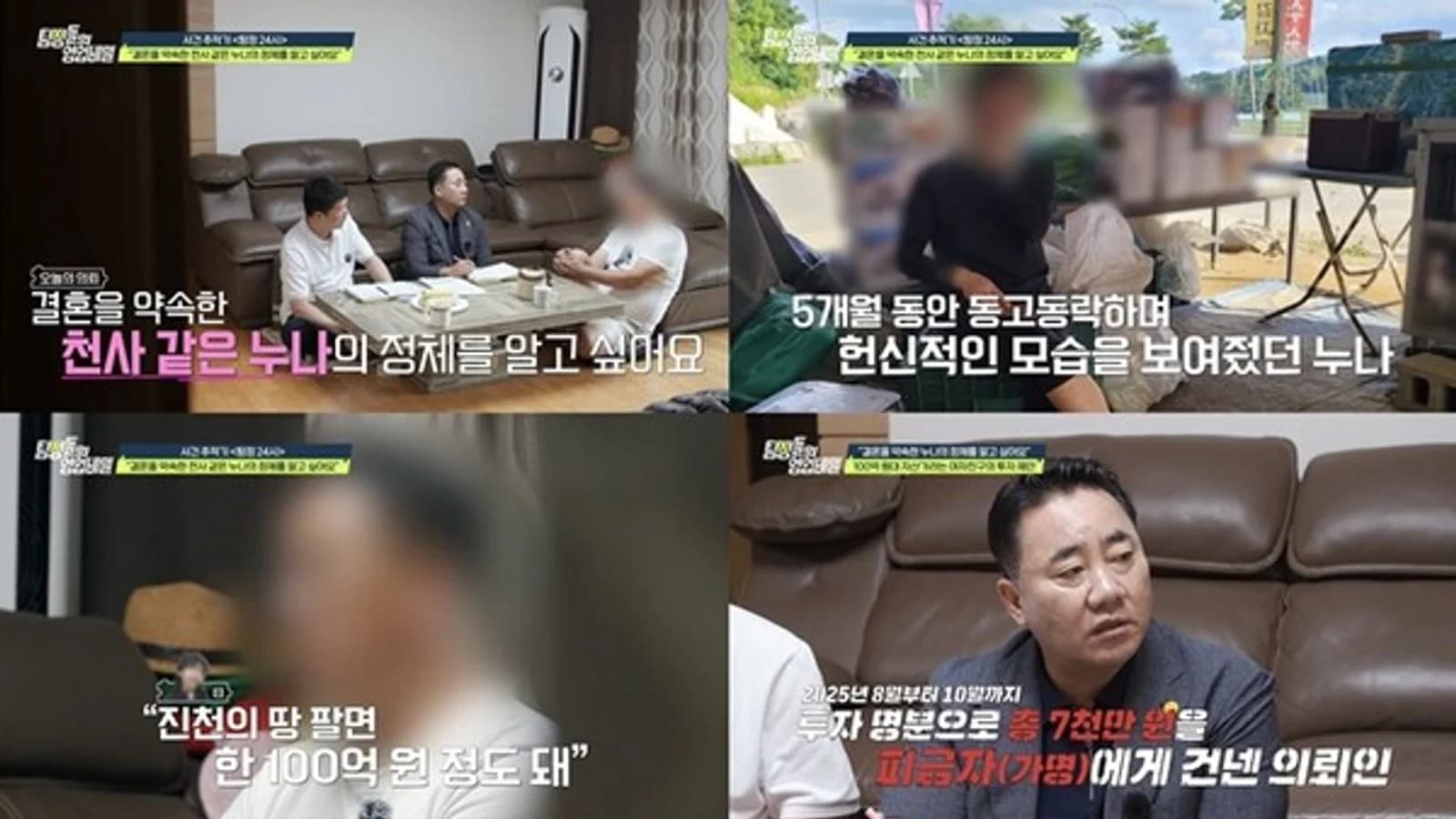
Channel A's 'Detectives' Trade Secrets': Man in His 50s Suspected of Being Defrauded of 70 Million Won by Girlfriend in Her 60s; Defconn Says "It Seems Like an Organized Scam Team"

Heo Sung-tae Delivers Compelling Performance as 'Hammurabi Faction' Boss in 'The Chaebol X Detective 2'… Shooting Showdown with Ahn Bo-hyun and Layered Paternal Love for Jeon Chae-yeon

'Solo Tour' Kim Dae-hee Warms Hearts by Paying for Meals "Thinking of My Daughter"... Kim Joon-ho's First Trip Since Revealing Second Child Will Be a Son