
Ethereum's 'Glamsterdam' Upgrade Roadmap Takes Shape…Consensus Reached on 200 Million Gas Limit Floor
Ethereum (ETH) core developers are accelerating efforts to expand network processing capacity as they flesh out the key technical direction for the next network upgrade, 'Glamsterdam.' ■ Around 100 Gather in Svalbard for a Week of Intensive Review According to DL News, around 100 Ethereum core dev
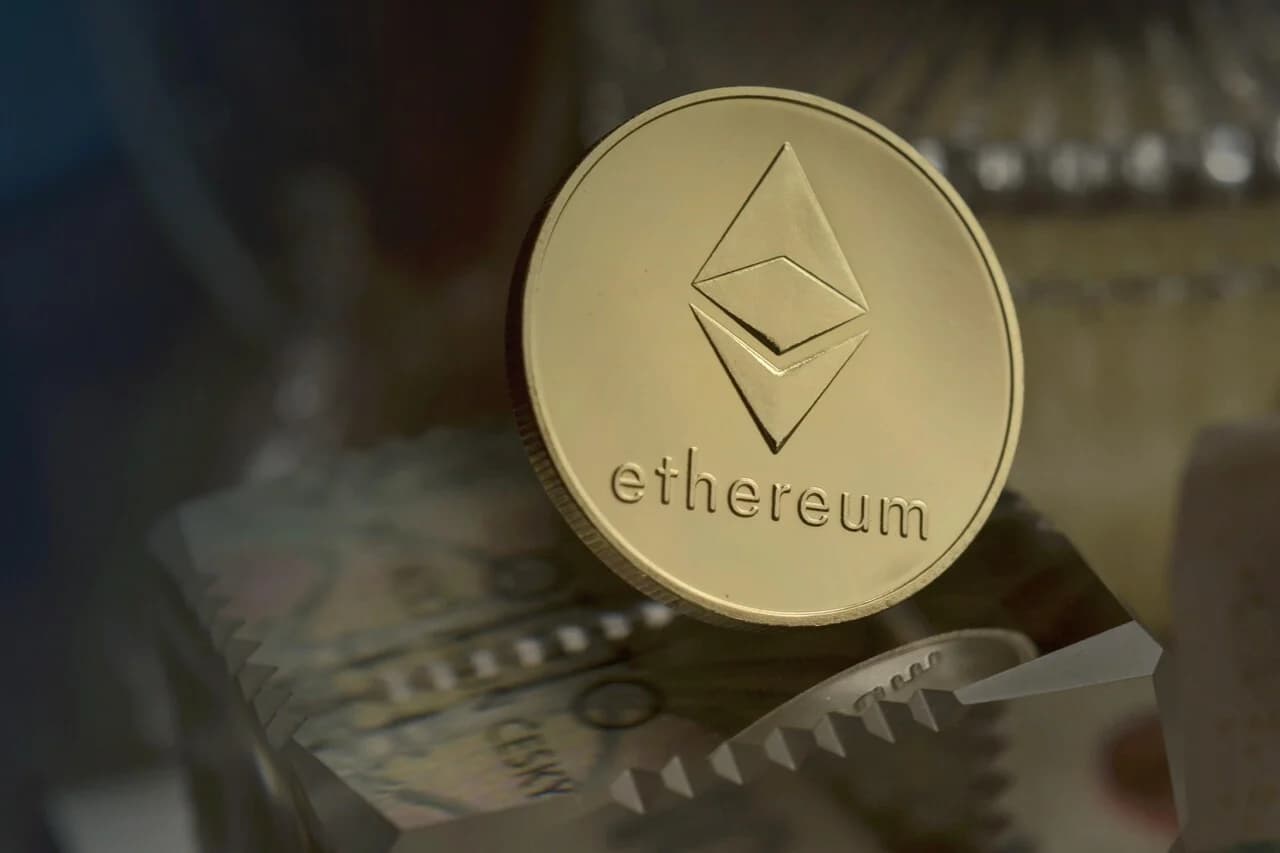
Ethereum (ETH) core developers are accelerating efforts to expand network processing capacity as they flesh out the key technical direction for the next network upgrade, 'Glamsterdam.'
■ Around 100 Gather in Svalbard for a Week of Intensive Review
According to DL News, around 100 Ethereum core developers and researchers recently gathered in Longyearbyen, in Norway's Svalbard archipelago, for the 'Soldøgn interop' event. Over roughly a week, participants intensively reviewed the core tasks of the Glamsterdam upgrade, including network scaling, block production structure, and gas cost adjustments.
■ Agreement on 200 Million Gas Limit Floor…Weighing Scalability Against Stability
The most closely watched part of the discussion was the minimum standard for the gas limit to be applied after Glamsterdam. Developers reportedly agreed to set the floor for the future network gas limit at 200 million.
The gas limit is directly tied to the amount of computation a single Ethereum block can process. A higher limit means more transactions and smart contract computations can be processed within the same amount of time. However, it was also noted that node operational burdens and network stability must be taken into account, making gradual scaling and validation important.
■ Progress on External Block Builders and EIP-8037 Gas Repricing
Progress was also made on technology related to external block builders. Developers worked to improve the implementation stability of the external block production system and reviewed interoperability across multiple implementations to prepare for future changes in the block production structure.
The specific figures of EIP-8037, which aims to restructure the gas cost system, are also said to have essentially entered the finalization stage. This is interpreted as an effort to reassess per-operation gas costs on Ethereum to align them with actual network resource usage.
■ Tim Beiko: Discussions That Would Take Weeks Compressed into Days
Regarding the event, Ethereum Foundation researcher Tim Beiko assessed that when developers collaborate intensively in one place, discussions that would normally take weeks through asynchronous channels can be compressed into a short period.
■ Parallel L1 and L2 Scaling Strategy…Final Specs to Be Confirmed Through Testnets
These results are interpreted not merely as raising the gas limit, but as part of a long-term strategy to gradually expand the processing power of the Ethereum mainnet itself. In particular, as the effort to raise layer 1's base throughput proceeds in parallel with the layer 2-centric scaling policy, attention is expected to focus on future changes in the Ethereum network structure.
However, expanding the gas limit and adjusting gas repricing could interact with multiple variables in actual implementation, including node specifications, block propagation speed, and validation burdens. The final scope and timing of implementation are expected to be finalized through future testnets and additional developer meetings.
[This article is informational content written based on provided materials and publicly available technical information. Since the actual Ethereum upgrade specifications and implementation schedule may change during development, final details should be confirmed through the Ethereum Foundation and official development documentation. AI assistance was used in the writing of this article.]
CBC Globe publishes verified stories with editorial review, source checks, and tenant-specific publication standards.
Related Articles
Ripple (XRP) Recovers to $1.51... Rises to $1.5310 During Session, Focus on Whether It Can Hold $1.50
Michael Saylor's Strategy Buys Additional 334 BTC, Holdings Reach 848,000 BTC — 4% of Total Supply

Ripple (XRP) Ranks Among Top by Trading Volume in South Korea, Overtaking Bitcoin... KakaoBank's XRPL Consideration and AI Payment Expectations