
Earned Income Tax Credit Income Thresholds and Payouts Simultaneously Increased... 730,000 More Households to Become Eligible Starting Next Year
The government will significantly expand the number of households eligible for the Earned Income Tax Credit (EITC) starting next year by simultaneously raising

The government will significantly expand the number of households eligible for the Earned Income Tax Credit (EITC) starting next year by simultaneously raising the income thresholds and maximum payout amounts. Dual-income households with an annual total income exceeding 50 million won will also become eligible for the EITC, provided they meet certain requirements.
According to MBC, the government announced the '2026 Tax Revision Plan' containing these measures on the 3rd.
Income Thresholds Raised by Household Type
The revision plan raises the annual income thresholds for the EITC by household type. The thresholds will be adjusted to 26 million won for single-person households, 37 million won for single-earner households, and 52 million won for dual-earner households.
Compared to the existing thresholds, these represent increases of 4 million won for single-person households, 5 million won for single-earner households, and 8 million won for dual-earner households, respectively. The government reportedly revised the income requirements taking into account factors such as the setting of next year's minimum hourly wage at 10,700 won.
Maximum Payouts Also Increased... 1.8 Million for Single-Person, 3.1 Million for Single-Earner, 3.6 Million for Dual-Earner Households
The maximum EITC payout amounts will also be increased. Single-person households can receive up to 1.8 million won, single-earner households up to 3.1 million won, and dual-earner households up to 3.6 million won. These figures represent increases of 150,000 won for single-person households, 250,000 won for single-earner households, and 300,000 won for dual-earner households compared to current levels, reflecting cumulative inflation.
The government expects that this revision will expand the number of households eligible for the EITC by approximately 730,000. The total number of recipient households is projected to reach about 4.89 million.
Monthly Rent Tax Credit Ceiling Also Raised to 12 Million Won
The monthly rent tax credit system will also be revised. The annual eligible monthly rent ceiling, which applies to workers with total wages of 80 million won or less, will be raised from 10 million won to 12 million won.
For example, a homeless worker with total wages of 50 million won paying 1 million won in monthly rent can currently receive a deduction of 1.7 million won, but after the revision is implemented, the deduction will increase to 2.04 million won. This effectively expands the annual tax credit benefit by 340,000 won.
Personal Exemption Income Threshold Relaxed to 3 Million Won or Less
The criteria for personal exemptions during year-end tax settlements will also be relaxed. The income threshold required to receive the basic deduction of 1.5 million won per person for a spouse and dependents will be raised from the current 1 million won or less to 3 million won or less.
Subject to National Assembly Review... Implementation Timing May Change
However, this tax revision plan must go through National Assembly deliberation and the legislative amendment process. The actual implementation date and detailed application criteria may change during the legislative process.
Since the EITC is a system that evaluates not only income requirements but also property and household composition criteria, prospective applicants should check the finalized guidelines from the National Tax Service in the future.
[This article was written with the assistance of AI.]
CBC Globe publishes verified stories with editorial review, source checks, and tenant-specific publication standards.
Related Articles
Doosan Enerbility Holds Firm Despite KOSPI's 4.58% Plunge... Stock Outlook for the 7th

Big Tech Companies Boost Cash Generation Capacity... SanDisk, Micron, and Alphabet Strengthen Shareholder Returns
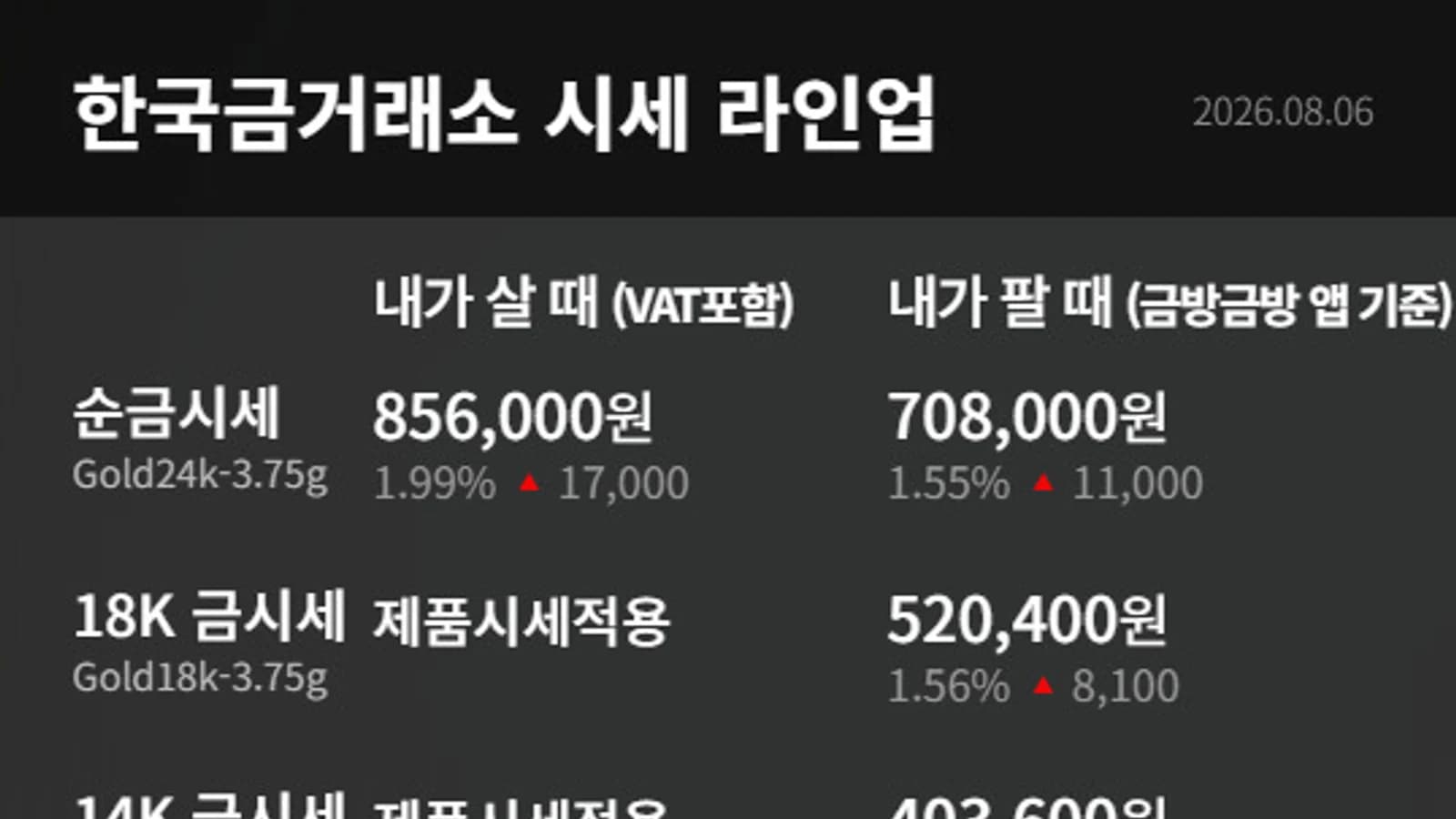
Amid Rising Gold Prices, Attention Turns to Strait of Hormuz Reopening Negotiations Outcome... August 6 Precious Metals Prices
![[Breaking] IonQ Rises 2% in Early Trading... Q2 2026 Revenue Surges 287%, Market 'Cautiously Watching' Quantum Computing Stocks](/_next/image?url=https%3A%2F%2Fmedia.cbcglobe.com%2Ftenants%2Fcbc00000-0000-4000-8000-000000000001%2Fmedia%2Fcbc%2F2026%2F07%2F593384%2Ff0171ed8678444fd%2Fvariants%2Fhero.webp&w=1920&q=75)