
Samsung Bioepis Files for Korea's First Approval of Keytruda Biosimilar (SB27)...Pembrolizumab
Samsung Bioepis announced on the 10th that it has submitted a product license application to the Ministry of Food and Drug Safety for SB27, a biosimilar candidate for Keytruda (active ingredient: pembrolizumab). This is the first time a product license application for a Keytruda biosimilar has been
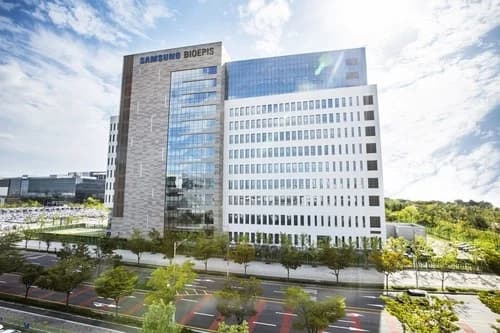
Samsung Bioepis announced on the 10th that it has submitted a product license application to the Ministry of Food and Drug Safety for SB27, a biosimilar candidate for Keytruda (active ingredient: pembrolizumab). This is the first time a product license application for a Keytruda biosimilar has been filed in South Korea.
The application covers a total of 16 indications, including melanoma, non-small cell lung cancer, and head and neck cancer. Shin Dong-hoon, Vice President and Head of the Clinical Medical Division at Samsung Bioepis, stated, "We will faithfully explain the research and development results of SB27 during this product license review process and carry out the relevant procedures without delay to promptly provide domestic patients with an immunotherapy treatment option."
Keytruda, the original reference product, is an immune checkpoint inhibitor developed by U.S.-based MSD. It blocks the immune evasion of cancer cells, helping immune cells attack cancer. It is used for various types of cancer, including melanoma, non-small cell lung cancer, and head and neck cancer, and is the most widely used immunotherapy agent worldwide. Its global sales in 2023 reached approximately USD 31.7 billion (about KRW 46 trillion).
Samsung Bioepis initiated the development of SB27 ahead of the expiration of Keytruda's substance patent. The patent is scheduled to expire in 2028 in South Korea and in 2029 in the United States. As a biosimilar, it is based on the same active ingredient as the original product, and upon approval, it will be able to extensively utilize the established therapeutic areas of the original Keytruda.
During the clinical development phase, Phase 1 and Phase 3 clinical trials were conducted starting in 2024, enrolling 163 patients across four countries and 555 patients across 14 countries, respectively. As a result, equivalence between SB27 and the original product was confirmed in terms of pharmacokinetic properties, efficacy, and safety.
Samsung Bioepis currently markets 11 biosimilars for the treatment of autoimmune diseases, oncology diseases, ophthalmic diseases, and rare diseases in South Korea, and is developing seven additional pipeline candidates, including SB27. This SB27 application is noteworthy as it marks the company's business expansion from its existing focus on autoimmune diseases into the fields of oncology and immuno-oncology.
CBC Globe publishes verified stories with editorial review, source checks, and tenant-specific publication standards.
Related Articles
Seoul's Seogye and Cheongpa-dong Redevelopment Projects Gain Momentum... Net Increase of 1,695 Households, Mayor Oh Se-hoon Inspects Site

Exports Surge 45.3% in Early August... Semiconductors Drive 46.8% of Total, Hitting Record High

Plan to Raise 710 Trillion Won with Six Financial Institutions to Build AI Infrastructure