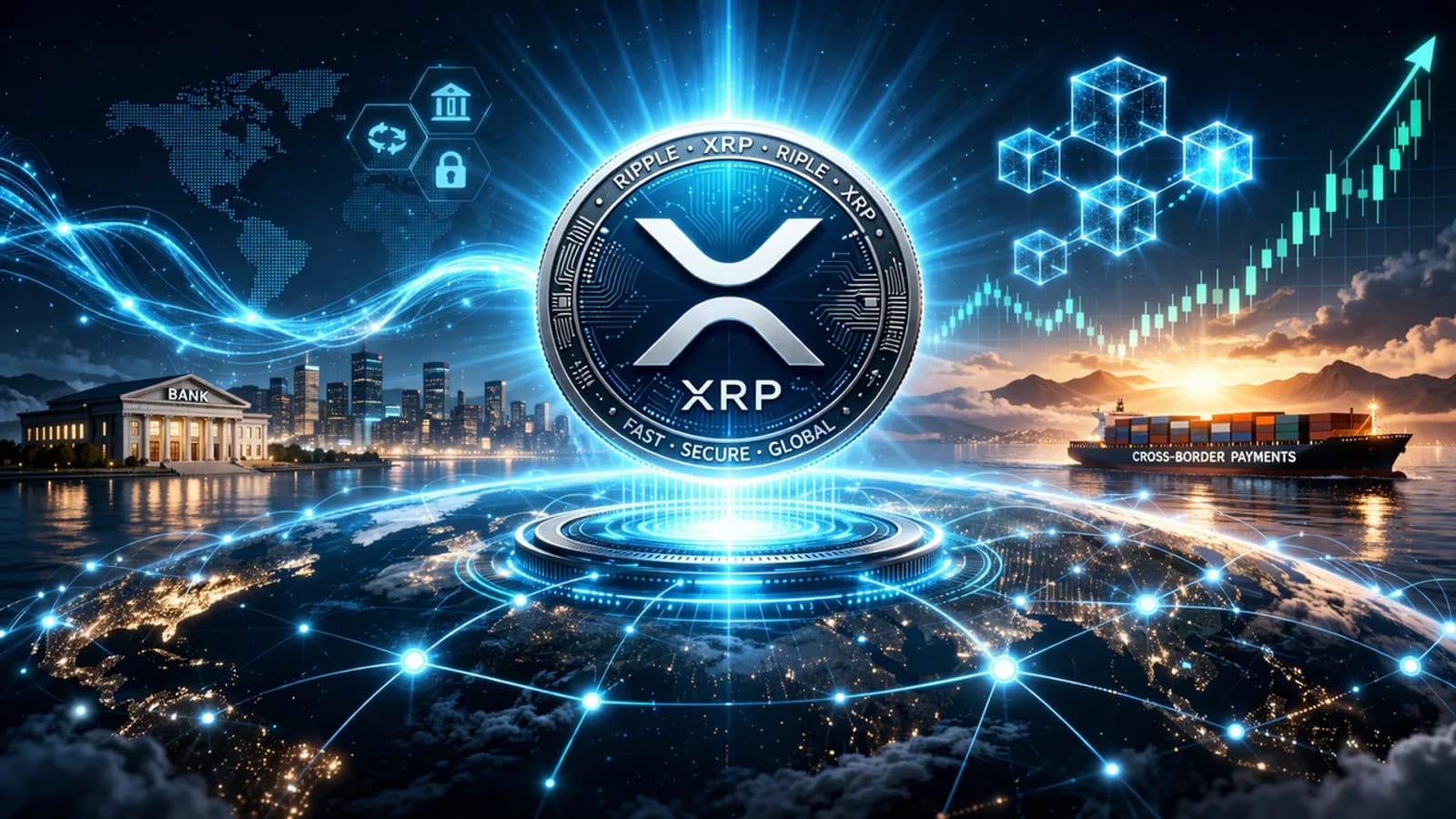
Ripple and XRP: What's the Difference… Key Distinctions and Variables to Check Before Investing
**Ripple and XRP: The Starting Point Is 'Viewing Them Separately'** The first step in understanding the Ripple (XRP) ecosystem is to view the company Ripple and the digital asset XRP as separate entities. Ripple is a company that develops blockchain-based financial and payment solutions for financi
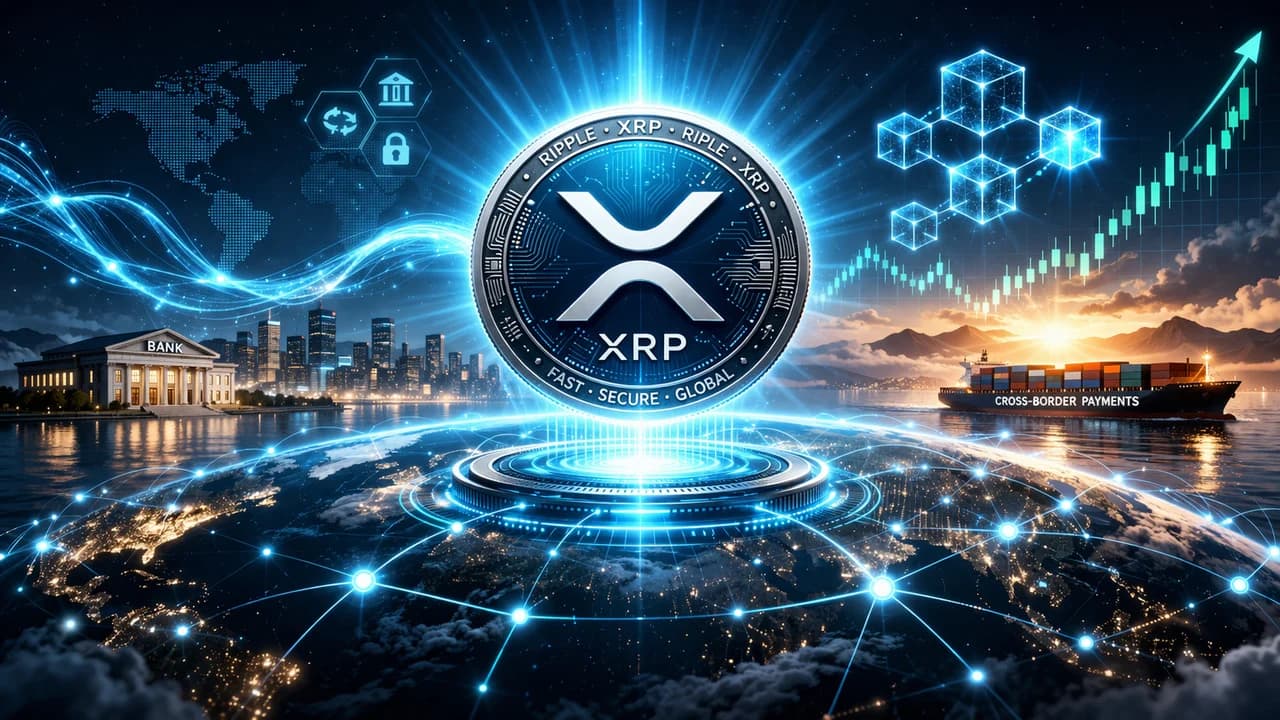
Ripple and XRP: The Starting Point Is 'Viewing Them Separately'
The first step in understanding the Ripple (XRP) ecosystem is to view the company Ripple and the digital asset XRP as separate entities. Ripple is a company that develops blockchain-based financial and payment solutions for financial institutions and payment service providers. XRP, on the other hand, is an independent digital asset used on the XRP Ledger.
While the two concepts are often mentioned as one in the market, it is difficult to conclude that Ripple's business expansion directly translates into higher XRP prices or increased demand. This is because a company's growth and the mechanism by which a token's value is formed do not fully align.
Why XRP Has Drawn Attention: Fast Payments, Low Costs
XRP has long attracted market attention due to its technical characteristics suited for payments and remittances. With relatively short transaction processing times and low transfer costs, its potential for use in moving funds across countries and currencies has been consistently raised.
Traditional international remittances can involve longer settlement times and higher costs as they pass through multiple financial institutions, but blockchain-based transfer methods present the possibility of simplifying this process.
However, speed and low costs alone do not guarantee XRP's mid- to long-term competitiveness. For a digital asset to be continuously used within real financial infrastructure, sufficient market liquidity, legal stability, trust from financial institutions, and an extensive transaction network must be established alongside technical sophistication. Ultimately, the key is not how fast XRP moves, but whether it can generate repeated and sustained demand in actual financial transactions.
The Most Sensitive Variable: Regulation
One of the most sensitive factors that has determined XRP's market value is regulation. The debate over the legal status of cryptocurrencies, centered in the United States, has significantly affected XRP's trading environment and investor sentiment.
In the cryptocurrency market, regulatory issues do not end at the level of simple negative or positive news. They can transform the entire market structure, including whether exchanges list the asset, institutional investors' access, partnerships with financial firms, liquidity supply, and product development.
Different Valuation Standards Needed Than for Stocks
This is why evaluating XRP requires a different approach than evaluating ordinary corporate stocks. While stocks allow a company's value to be calculated based on revenue, operating profit, cash flow, and dividends, XRP is not a stake in a specific company. Therefore, traditional indicators such as the price-to-earnings ratio (P/E) or dividend yield are difficult to apply directly.
Instead, factors such as actual network usage volume, market liquidity, regulatory changes, investor risk appetite, and overall capital flows in the cryptocurrency market have a greater impact on price formation.
The Competitive Landscape: Stablecoins, Central Bank Digital Currencies, and Other Blockchains
The competitive environment has also become far more complex than in the past. XRP is not the only player in international remittances and digital payments. Stablecoins pegged to the value of fiat currencies such as the dollar are rapidly expanding their territory, while central bank digital currencies being pursued by various countries and other blockchain payment networks are also emerging as competitors.
In particular, stablecoins are considered easy to use as payment instruments because they can relatively reduce price volatility. Therefore, from XRP's perspective, merely emphasizing fast transfers and low costs makes it difficult to maintain a competitive advantage over the long term. It must demonstrate clear economic reasons for financial institutions to choose XRP, efficiency in terms of liquidity, and regulatory convenience. This means that technological competition is ultimately shifting toward real-world usage competition.
Enduring Presence… Brand Recognition and Networks as Assets
Nevertheless, it is hard to ignore the fact that XRP still maintains a strong presence in the cryptocurrency market. Long-established brand recognition, trading infrastructure built on global exchanges, a substantial base of market participants, and a clear use case narrative in international payments are assets that other new projects would find difficult to acquire in a short period. In the digital asset market, liquidity, network effects, and the time accumulated in the market itself can become competitive strengths as important as technological capability.
The 'Two Faces' Investors Should See
From an investor's perspective, XRP needs to be viewed as an asset with two faces. One is its aspect as an infrastructure-type digital asset with the potential to be used in global financial transactions. If XRP's usage expands substantially, centered on financial institutions and payment companies, the market could evaluate this as sustainable demand growth.
Conversely, it also has the characteristics of a highly volatile asset heavily influenced by policy and news flows. Market expectations could shift significantly in a short period depending on announcements from regulators, court rulings, news of partnerships with financial institutions, and changes in cryptocurrency policy. XRP's high profile can quickly draw attention when positive news emerges, but in the opposite situation, it can also amplify price volatility.
Long-Term Direction Determined by 'Actual Usage'
Ultimately, XRP's long-term direction depends less on simple price forecasts and more on what role it secures within the actual financial system. It is difficult to maintain market position through payment technology excellence alone; easing regulatory uncertainty, adoption by the financial sector, substantial growth in transactions, and differentiation from competing digital assets must all be achieved together.
Ripple and XRP have already accumulated considerable recognition and history in the cryptocurrency market. What matters going forward is not expectations themselves, but whether they can be converted into actual usage and sustained asset demand. The criteria for evaluating XRP also need to shift away from simple bullish or bearish forecasts toward examining how substantial a position it can secure within global payments and digital financial infrastructure.
[Cryptocurrencies are subject to high price volatility, and significant losses may occur due to changes in regulations, policies, and market conditions. Investment decisions and responsibilities rest with the investor. This article was written with AI assistance.]
CBC Globe publishes verified stories with editorial review, source checks, and tenant-specific publication standards.
Related Articles
Bitcoin (BTC) Is 'Digital Gold'... An Independent Asset Built on the Scarcity of 21 Million Coins and a Decentralized Network
Solana (SOL) Evaluation Standards Shift: Real-World Use, Not Just 'Speed,' Becomes the Deciding Factor; US-Iran Tensions Also a Variable

Ethereum (ETH) Beyond Price: 'Foundation of the Digital Economy'... Scalability and Competition Remain Key Challenges