CoreWeave Proposes AI Data Center Cooperation to Texas Governor-Elect, Seeking Investment Stability Amid Tightening Regulations
The U.S. artificial intelligence (AI) infrastructure industry is facing a new challenge: a shifting political environment. As momentum builds for stronger regulations on data center expansion, AI cloud company CoreWeave has stepped forward with a proposal to cooperate with the incoming Texas state a
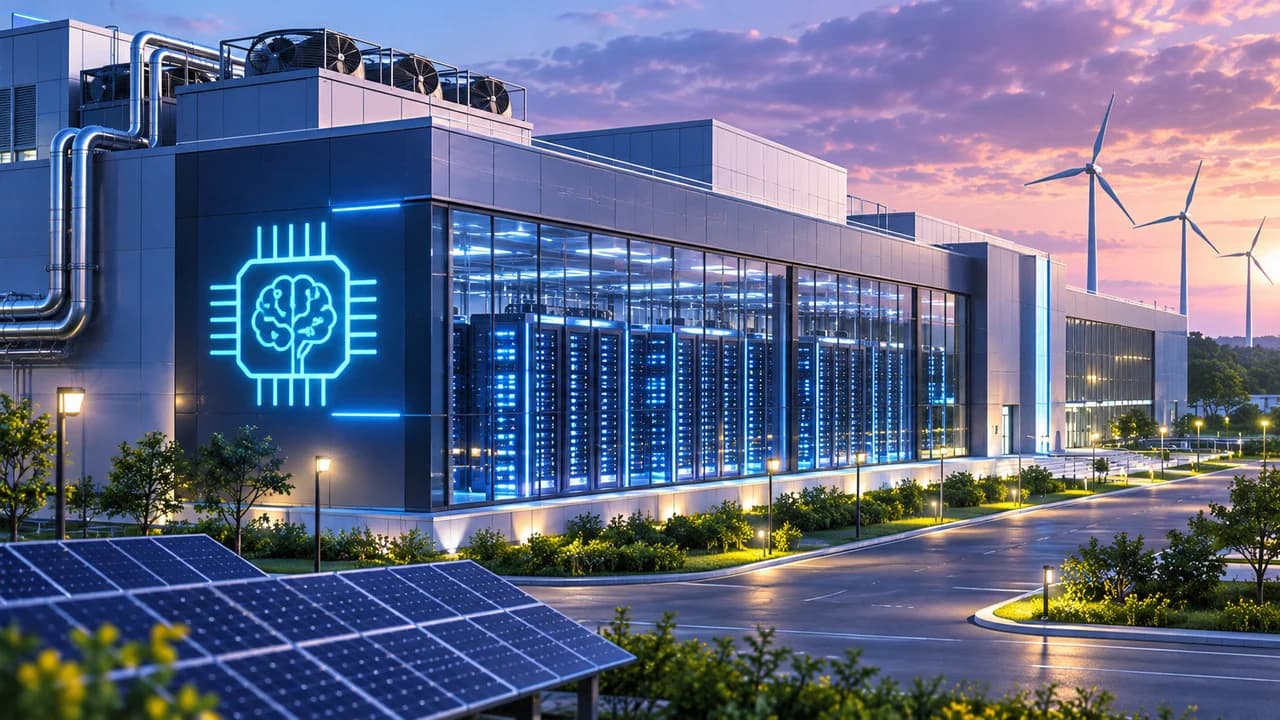
The U.S. artificial intelligence (AI) infrastructure industry is facing a new challenge: a shifting political environment. As momentum builds for stronger regulations on data center expansion, AI cloud company CoreWeave has stepped forward with a proposal to cooperate with the incoming Texas state administration. The move is interpreted as an attempt to adjust its business approach in a way that balances expanded facility investment with the interests of local residents.
■ CoreWeave CEO Conveys Willingness to Cooperate to Incoming Administration's Transition Team
According to Bloomberg on the 7th (local time), CoreWeave co-founder and CEO Michael Intrator conveyed his intention to cooperate on data center development to Texas Governor-elect Gina Hinojosa, a Democrat.
In a statement, Intrator expressed sympathy with Hinojosa's policy direction that the growth of the data center industry must deliver tangible benefits to Texas residents. He specifically stated that he hopes to work with the incoming administration's transition team to responsibly complete already-permitted data center projects and to establish clear and sustainable standards for future developments. This is interpreted as a sign of the company's commitment to securing the stability of existing investment projects while adapting to new policy standards, even if the regulatory environment surrounding data center businesses changes.
■ AI Investment Boom Meets Demands for Tighter Regulation
The U.S. AI industry has entered a phase where large-scale infrastructure expansion intersects with political demands for stronger regulation. As the computing resources needed to develop and operate AI models have surged, data center construction has become a key investment area for major technology companies. However, controversies over power consumption, water usage, and impacts on local environments are also growing. In particular, with the Democrats making stronger regulation of data center development a major policy issue in the U.S. midterm elections, changes are expected in the business environment for AI infrastructure companies.
■ Texas Elects First Democratic Governor Since 1990, Signaling Tighter Data Center Oversight
This trend is even more pronounced in Texas. Hinojosa became the first Democratic candidate to win a Texas gubernatorial election since 1990. During his campaign, he pledged to temporarily halt data center development across the state. After his election, he explained that while he would maintain Texas's traditionally business-friendly policy stance, he intends to strengthen oversight and regulation of data center development.
In a CNN interview on the 5th, Hinojosa acknowledged that Texas has traditionally been a business-friendly region, but stated that going forward, cooperation between businesses and the state government must deliver tangible benefits to residents. This can be interpreted as a policy direction of evaluating not just attracting corporate investment itself, but also the economic effects of such investment alongside the burdens placed on local communities.
■ Remaining Challenge: Balancing Economic Benefits and Local Burdens
Data centers are advanced industrial facilities requiring massive capital investment, but they can also significantly strain local infrastructure such as power grids and water supply systems. How to balance the contributions of new facilities to local economies against the costs residents must bear is emerging as a key policy issue.
CoreWeave's cooperation proposal is drawing attention as a move to respond to these changes. Notably, the company presented cooperation plans that distinguish between projects already permitted and future new developments—emphasizing responsible completion for existing projects while calling for predictable regulatory standards for new ones.
However, the proposal does not mean that the Texas state government will ease regulations or withdraw its pledge to halt data center development. Specific terms of cooperation or policy agreements have not been confirmed.
■ Future Focus: How the Development Moratorium Pledge Will Be Concretized and Standards for Permitted Projects
With the AI industry's growth continuing, data center operators now must respond not only to power supply and environmental issues but also to cooperation with local communities and changing political regulations. CoreWeave's outreach to the incoming Texas administration demonstrates that the sustainability of AI infrastructure investment depends not only on technological demand and capital-raising capacity, but also on local community acceptance and policy agreement.
Going forward, how Texas concretizes its pledge to halt data center development and what standards it applies to already-permitted projects are expected to become major points of interest for the AI infrastructure industry.
[Some AI assistance was used in producing this article. This does not recommend the purchase or sale of any specific stock, and investment decisions and responsibilities rest with the investor.]
CBC Globe publishes verified stories with editorial review, source checks, and tenant-specific publication standards.
Related Articles
U.S. Tightens AI Data Center Regulations vs. Korea's Promotion Policy... Outlook for Nuclear and Power Industries in Focus [Woori Technology 7,800 won]

Doosan Enerbility Falls Below 50,000-Won Level... Market Watches Direction on First Trading Day of New Week as U.S. Nuclear Stock Oklo Surges 22.65%

National Health Insurance Refund Checks and Waits of Up to 1 Year and 7 Months... "Waiting Periods for Low-Income Refunds Must Be Shortened"