
KOSPI Plunges 5% vs. KOSDAQ Rises 2%... Samsung Electronics and SK Hynix 'Slump,' Samsung Electro-Mechanics and Peptron 'Rally'
On the first trading day of August, the domestic stock market exhibited extreme divergence. The KOSPI plummeted more than 5% amid a massive sell-off centered on
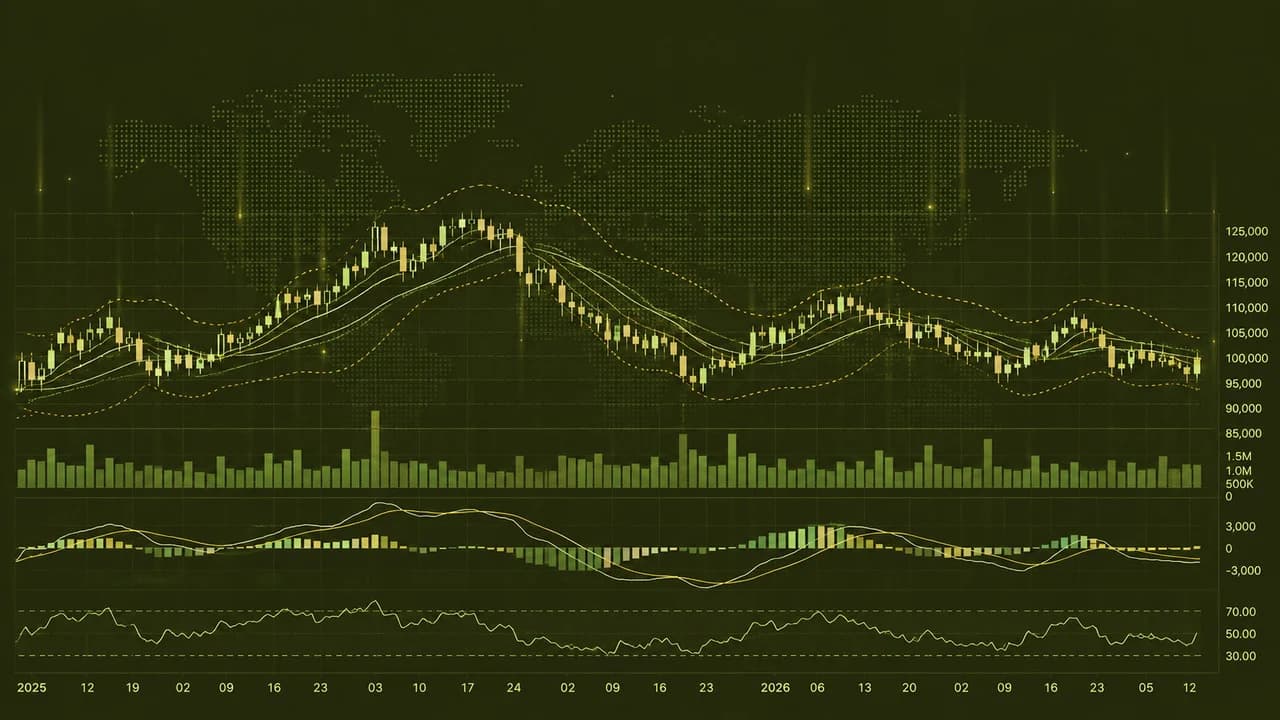
On the first trading day of August, the domestic stock market exhibited extreme divergence. The KOSPI plummeted more than 5% amid a massive sell-off centered on large-cap semiconductor stocks, while the KOSDAQ rose over 2%, driven by strength in biotech and select growth stocks.
According to the Korea Exchange on the 3rd, the KOSPI closed at 6,257.45, down 338.00 points (5.12%) from the previous trading day. In contrast, the KOSDAQ finished at 737.35, up 17.59 points (2.44%).
Decliners dominated among the top 10 stocks by market capitalization on the KOSPI. Samsung Electronics closed down 8.76% at 239,500 won, and SK Hynix fell 8.79% to 1,567,000 won. Samsung Electronics Preferred (-6.81%), LG Energy Solution (-3.66%), Samsung Biologics (-4.18%), and Samsung Life Insurance (-7.70%) also showed broad weakness. Meanwhile, Samsung Electro-Mechanics rose 3.42% to 1,181,000 won, displaying the most notable strength among top-cap stocks, while Hyundai Motor (1.29%) and KB Financial (0.59%) also closed higher. SK Square limited its losses, ending down only 1.25%.
The KOSDAQ showed an even clearer disparity among individual stocks. Peptron surged by the daily price limit of 29.97%, drawing market attention, while ABL Bio (6.29%), Rainbow Robotics (5.89%), Alteogen (2.92%), Jusung Engineering (2.65%), and HLB (0.98%) also recorded gains. Conversely, EcoPro (-2.15%), EcoPro BM (-6.47%), Lino Industry (-4.21%), and Wonik IPS (-4.00%) failed to escape weakness.
This market trend was driven by profit-taking sell-offs centered on large-cap stocks following the record surge in late July, while buy orders flowed into biotech and individual growth stocks on the KOSDAQ, creating a pattern of dispersed liquidity.
Market participants expect that future U.S. stock market trends, major economic indicators, corporate earnings releases, and supply and demand from foreign and institutional investors will serve as key variables determining the direction of the domestic stock market. Some analysts also suggest that in a market with expanding volatility, rather than defining a trend based solely on short-term price movements, it is necessary to consider both domestic and external variables alongside changes in supply and demand.
CBC Globe publishes verified stories with editorial review, source checks, and tenant-specific publication standards.
Related Articles
![[Breaking] Cosricarglobal Acquires 35 Billion Won Worth of 4th Series CB Early... 'Full Cancellation'](/_next/image?url=https%3A%2F%2Fmedia.cbcglobe.com%2Ftenants%2Fcbc00000-0000-4000-8000-000000000001%2Fmedia%2Fcbc%2F2026%2F07%2F587626%2F362af6d78adda143%2Fvariants%2Fhero.webp&w=1920&q=75)
[Breaking] Cosricarglobal Acquires 35 Billion Won Worth of 4th Series CB Early... 'Full Cancellation'
Spear Revises Special Alloy Supply Contract with U.S. Aerospace Company... Conditional Contract Value Increased to 49.1 Billion Won
Hyundai Elevator Halts Elevator Production at Chungju Plant Due to Union Strike... Resumption Date Undetermined
![[Breaking] SG Signs 98.5 Billion KRW Asphalt Supply Contract with Public Procurement Service, Reaching 96% of Recent Revenue](/_next/image?url=https%3A%2F%2Fmedia.cbcglobe.com%2Ftenants%2Fcbc00000-0000-4000-8000-000000000001%2Fmedia%2Fcbc%2F2026%2F06%2F581911%2Fa630da1c47d6049c%2Fvariants%2Fhero.webp&w=1920&q=75)