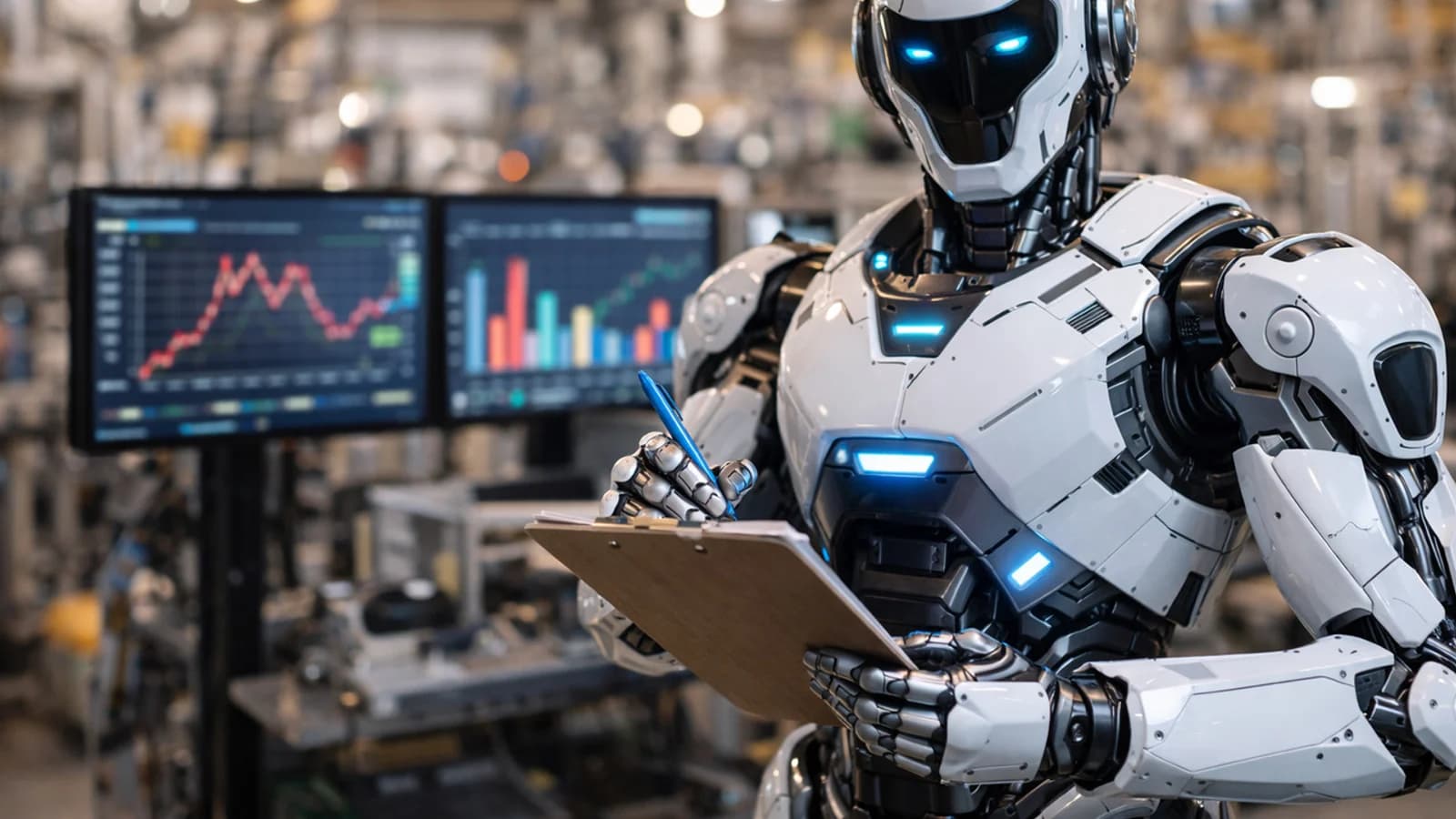
New Phase for Robot Stocks... Government Aims to Deploy 200,000 AI Robots by 2030
The government is shifting the focus of Korea's robot industry policy from research and development to actual deployment. With a plan to deploy 200,000 AI robots by 2030 through a public-private partnership, robot stocks as a whole have entered a new policy phase. Notably, unlike previous policies t
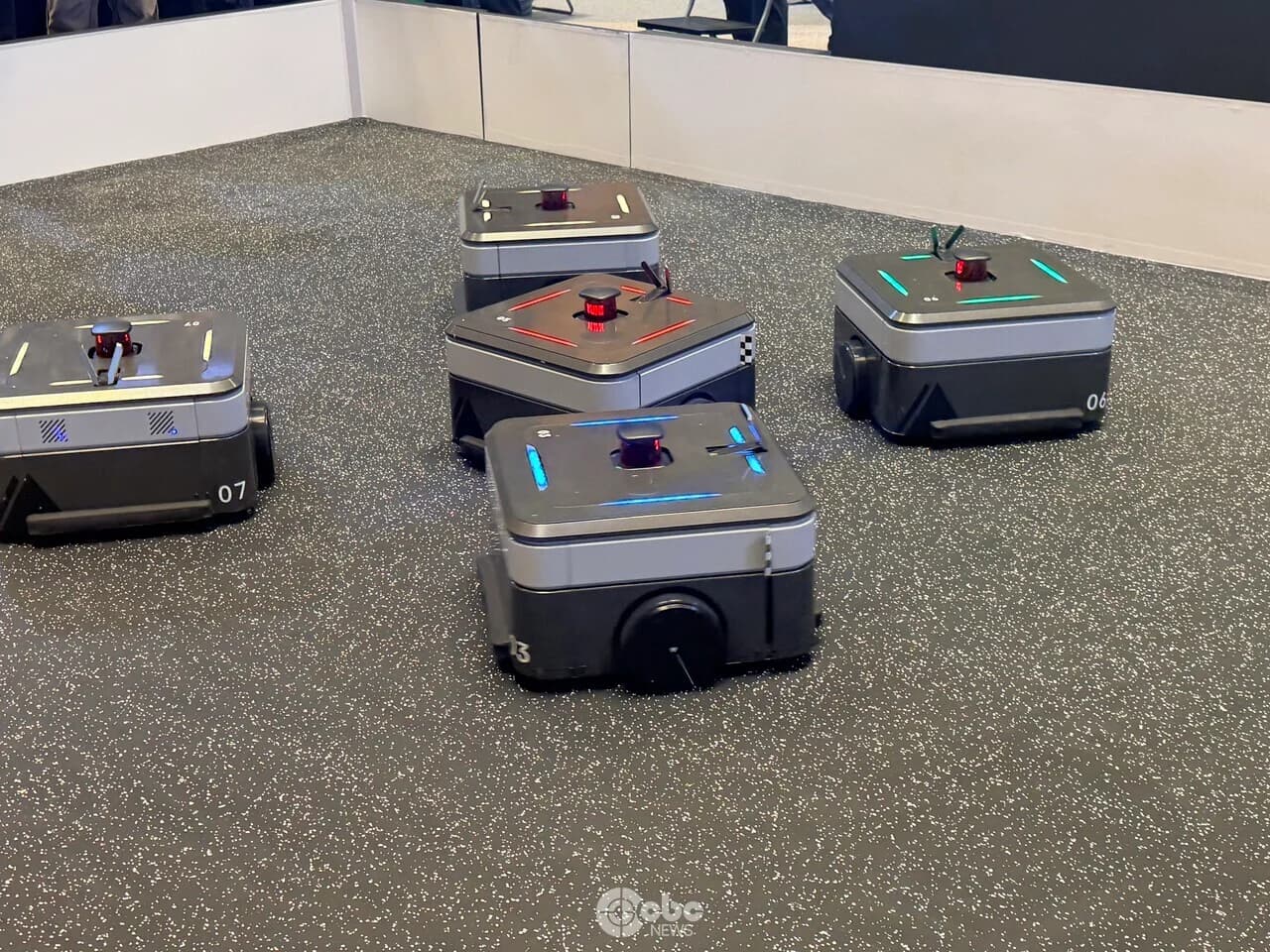
The government is shifting the focus of Korea's robot industry policy from research and development to actual deployment. With a plan to deploy 200,000 AI robots by 2030 through a public-private partnership, robot stocks as a whole have entered a new policy phase. Notably, unlike previous policies that focused on R&D support, this plan centers on the government directly creating initial demand. The idea is to solve the structural problem of the domestic robot industry—where technology has been developed but a lack of real-world markets has prevented the transition to mass production—through public demand.
■ Where it was discussed
At the 9th National Advanced Strategic Industry Committee meeting held on September 30, the government discussed the 'Plan for Spreading AI Robots Felt by Citizens and Physical AI.' The government assessed that while the global AI robot market is rapidly expanding centered on the United States and China, domestic companies remain focused on R&D due to lack of market demand and technological limitations, and large-scale mass production is still at the preparation stage. Accordingly, the government decided to deploy 200,000 AI robots by 2030 together with the private sector. The goal is to create a virtuous cycle in which robots are deployed in actual industrial sites and living spaces—rather than remaining in laboratories or pilot projects—to secure usage data and improve product performance.
■ First stage is the public sector... direct purchase of 1,700 AI robots by 2027
The first stage begins in the public sector. Starting in 2027, the government plans to directly purchase and deploy more than 1,700 AI robots, focusing on areas with high public visibility such as national safety, labor-shortage sites, education, and culture. From 2028, public deployment will be expanded to public corporations and local governments.
This represents a significant change for robot companies. Many domestic robot firms have repeatedly developed and demonstrated technologies but struggled to move to mass production due to a lack of stable initial customers. If the government steps in as a buyer, a structure could emerge in which companies secure initial sales while accumulating operational data from real-world sites that feeds back into product development.
The deployment method goes beyond simple purchase. To reduce problems such as robots underperforming after introduction or equipment being left idle, the government plans to establish after-management systems and reflect on-site improvement requests in technology development. In the private sector, the government will encourage voluntary robot adoption by companies through purchase subsidies, rental support, and regulatory improvements.
■ Robot stock universe to widen... extending to parts and equipment makers
The scope of robot stocks viewed by the stock market may also broaden. Existing robot stocks have often moved around finished-robot makers, but if mass deployment of AI robots becomes a reality, the entire industrial ecosystem could be affected—not only collaborative robots and humanoids but also makers of parts and equipment such as reducers, motors, sensors, actuators, controllers, and autonomous driving solutions. Representative domestic robot-related stocks include Rainbow Robotics, Doosan Robotics, Hoorim Robot, and Neuromeka. In addition, companies supplying core robot components and automation equipment could also draw market attention as the policy expands.
■ The core of this policy: 'Physical AI'
A key point to watch in this policy is 'physical AI.' Physical AI refers to technology in which AI does not merely make judgments within software but directly moves and performs tasks in the physical world through robots or machines. While generative AI has grown centered on language and images, physical AI can be seen as a stage of expanding AI use into real industries such as manufacturing, logistics, care, safety, and services. In the robot industry, hardware performance as well as AI models, sensors, and data acquisition capabilities are becoming simultaneously important for realizing physical AI. The government's reason for pursuing large-scale deployment also lies in accumulating real-world data from diverse sites to improve the performance of Korean companies' AI robots.
■ Expanding production bases... centered on Saemangeum and the Daegu-Gyeongbuk region
Expanding mass-production infrastructure will proceed in parallel. In line with the increased deployment volume of AI robots, the government plans to expand production bases centered on Saemangeum and the Daegu-Gyeongbuk region. Gumi and Pohang in Daegu and North Gyeongsang Province have been designated as Korea's first national advanced strategic industry specialized complexes for robots, and building a humanoid industrial ecosystem connecting R&D, core components, finished-product manufacturing, and demonstration and commercialization is being pursued.
■ What needs to be confirmed
Ultimately, the core of the government's policy lies in shifting the axis from 'robots to develop' to 'robots actually used.' If the deployment target of 200,000 robots translates into actual execution, the competitive standards for domestic robot companies may also change. Rather than technology announcements or prototype unveilings, actual delivery capabilities, production scale, maintenance systems, and on-site data acquisition capabilities could emerge as key factors in judging corporate competitiveness. Robot stocks, too, should now be assessed on whether government and public institution orders and increasing private demand translate into contracts and revenue for specific companies, rather than moving uniformly on policy expectations alone. In particular, which types of robots are selected and which companies participate as actual suppliers in the planned public purchase of more than 1,700 units in 2027 are cited as key variables that will determine the future direction of robot stocks.
As the government has introduced a policy that directly creates a market for the domestic robot industry, which had been centered on R&D, robot stocks have entered a new testing ground. Whether the 200,000-unit deployment plan can go beyond a mere policy target and lead to actual production and revenue is expected to determine the next direction of the domestic AI robot industry and related stocks.
[This article was written based on publicly available government and corporate materials and does not recommend buying or selling any specific stock. Expectations for robot deployment policies and industrial expansion do not necessarily lead to individual companies' orders, earnings improvements, or stock price gains. Business participation and supply volumes need to be confirmed through future official announcements and disclosures. Investment decisions and responsibilities rest with the investor, and AI assistance was used for some data organization and sentence composition.]
CBC Globe publishes verified stories with editorial review, source checks, and tenant-specific publication standards.
Related Articles

KOSDAQ Surges 4.48% to Close at 894.29... Rino Industrial Up 10.90%, Biggest Gain Among Top-Market-Cap Stocks
![[Breaking] NY Markets Close Slightly Higher Despite 10-Year Treasury Yield Spiking to 5.34% Intraday...S&P 500 Up 0.19%](/_next/image?url=https%3A%2F%2Fmedia.cbcglobe.com%2Ftenants%2Fcbc00000-0000-4000-8000-000000000001%2Fmedia%2Fcbc%2F2026%2F10%2F611747%2Fc739df9a54a401b0%2Fvariants%2Fhero.webp&w=1920&q=75)
[Breaking] NY Markets Close Slightly Higher Despite 10-Year Treasury Yield Spiking to 5.34% Intraday...S&P 500 Up 0.19%

KOSPI Rises 1.95% to Recover 6,970 Level... 'Samtecnics' in Focus as Market Eyes Reclaim of 7,000