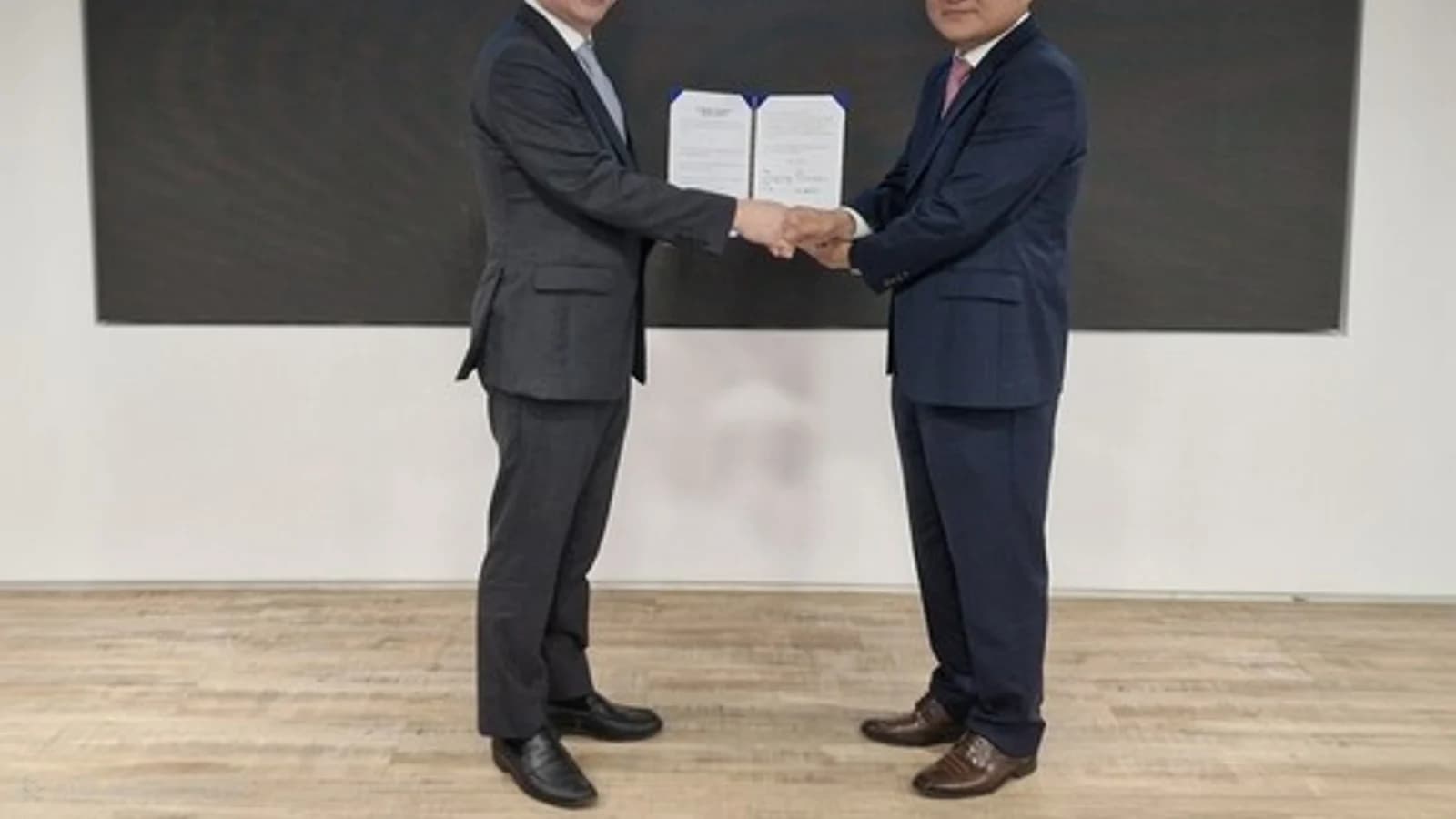
Gyeonggi Governor Choo Mi-ae: "Semiconductor Companies Must Strengthen Self-Rescue Measures to Minimize Process Water Discharge and Reduce Environmental Impact"
The Gyeonggi Provincial Government stated that the public sector alone should not bear the growing environmental burden associated with the expansion of the semiconductor industry. Governor Choo Mi-ae recently requested the Ministry of Climate, Environment, and Energy to apply stricter environmenta
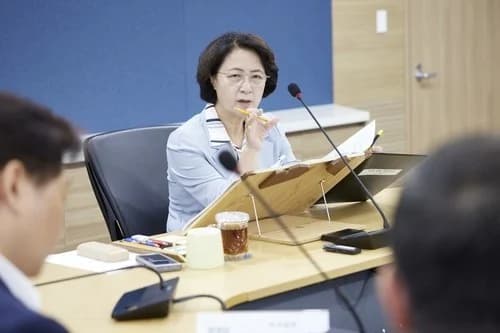
The Gyeonggi Provincial Government stated that the public sector alone should not bear the growing environmental burden associated with the expansion of the semiconductor industry.
Governor Choo Mi-ae recently requested the Ministry of Climate, Environment, and Energy to apply stricter environmental impact assessment standards, including the discharge criteria for the Gosam Reservoir in Anseong. Governor Choo emphasized that corporate environmental management efforts and administrative oversight must be prioritized.
Demand for Transparent Disclosure of Ecological Retention Pond Project to Residents
Governor Choo pointed out that the progress of the ecological retention pond construction project—being promoted in accordance with the 2021 mutual growth agreement—must be transparently disclosed so that residents can verify it directly. She added that the community must be clearly informed of the principle that no water will be discharged until the ecological retention pond construction is completed, and that residents must be provided with explanations confirming that the relevant procedures are proceeding without disruption.
Criticism of Domestic Semiconductor Companies' Insufficient Environmental Efforts
Governor Choo stated that domestic semiconductor companies such as Samsung Electronics and SK Hynix, which benefit from Gyeonggi Province's abundant water supply support, must strengthen their self-rescue measures to reduce process water discharge volumes and mitigate environmental impacts. Noting that major overseas semiconductor companies like Intel and TSMC are expanding technological investments aimed at water recycling and minimal discharge even in desert regions, she pointed out that domestic companies need to make corresponding efforts to reduce their environmental footprint.
Three Administrative Directives Issued at Semiconductor Super-Gap Strategy Meeting
In particular, at the fourth Semiconductor Super-Gap Strategy Meeting chaired by the governor, Governor Choo issued three administrative directives:
- First, she urged semiconductor companies to expand their process water reuse rates and invest in technology development to minimize wastewater discharge.
- Second, she demanded that relevant ministries apply environmental impact assessments and discharge standards more strictly.
- Third, she instructed that in addition to strengthening administrative guidance and environmental standards for companies, the status of corporate compliance and related processes must be transparently disclosed to local residents, with continuous management and oversight.
"Public Water Supply Infrastructure Being Prepared… Corporate Environmental Responsibility Must Come First"
Governor Choo stated, "The results of the semiconductor water supply review indicate that 1.1 million tons per day can be supplied, and we are also working to provide water from the Hwacheon Dam for power generation purposes through legislation." She emphasized that as the public sector establishes a stable water supply infrastructure, corporate efforts to reduce environmental burdens must follow in tandem.
Furthermore, she added that persuading residents is only possible after corporate fulfillment of environmental responsibilities and thorough administrative verification are ensured. Governor Choo reiterated, "Without corporate self-rescue measures and administrative oversight being implemented first, persuading residents is realistically difficult."
CBC Globe publishes verified stories with editorial review, source checks, and tenant-specific publication standards.
Related Articles
Kim Heechul Apologizes After Controversy Over Incheon Liberation Day Banner: "Misunderstanding the Taegeukgi Was My Mistasure"
Yeongdeungpo-gu Urges Ministry of Land, Infrastructure and Transport to Relocate GTX-B Ventilation Shaft and Adjust Route
Fatal Stabbing During Argument at Go Parlor in Nowon-gu; Suspect in His 60s Surnamed Jeon Arrested at Scene and Detained