
Gold Prices Rise on September 4... Pure Gold 3.75g Costs 870,000 Won to Buy, Platinum and Silver Also Gain
According to Korea Gold Exchange prices on September 4, 2026, prices rose across the precious metals board, including pure gold, 18K, 14K, platinum, and silver. ■ Precious Metals Prices at a Glance, September 4 - Pure gold (3.75g): Buy 870,000 won (change 1.15%, up 10,000 won) / Sell 730,000 won (
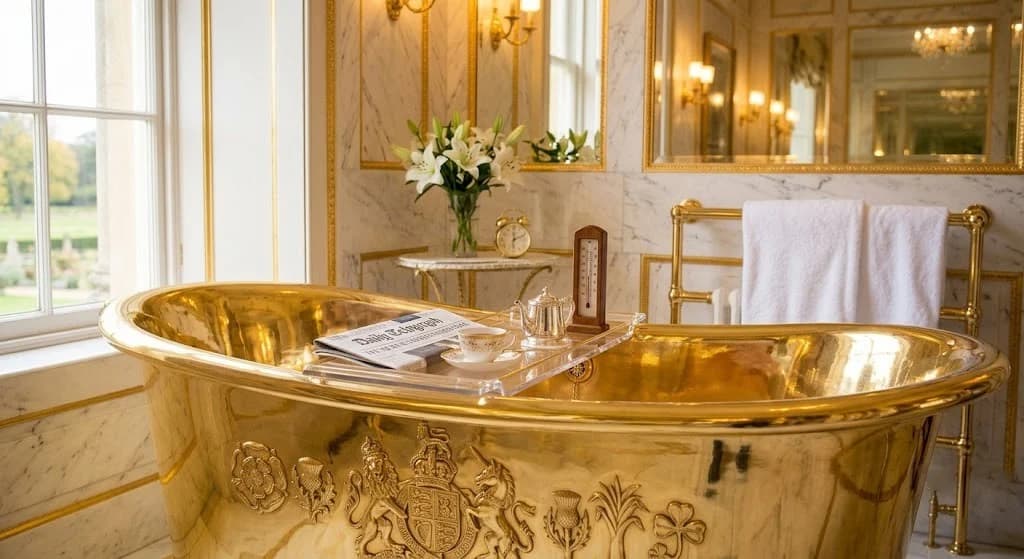
According to Korea Gold Exchange prices on September 4, 2026, prices rose across the precious metals board, including pure gold, 18K, 14K, platinum, and silver.
■ Precious Metals Prices at a Glance, September 4
- Pure gold (3.75g): Buy 870,000 won (change 1.15%, up 10,000 won) / Sell 730,000 won (change 0.68%, up 5,000 won)
- 18K: Sell 536,600 won (change 0.69%, up 3,700 won)
- 14K: Sell 416,100 won (change 0.67%, up 2,800 won)
- Platinum: Buy 350,000 won (change 2%, up 7,000 won) / Sell 281,000 won (change 2.14%, up 6,000 won)
- Silver: Buy 12,580 won (change 1.51%, up 190 won) / Sell 10,230 won (change 1.47%, up 150 won)
Among these, platinum showed a relatively strong upward trend.
■ Background of Gold's Rebound... Easing Concerns Over U.S. Rate Hikes
Gold prices are showing strength again as concerns over U.S. interest rate hikes ease. Amid continuing military tensions between the United States and Iran, the possibility of additional tightening by the U.S. Federal Reserve has diminished somewhat, changing the investment environment surrounding gold. Spot gold prices have climbed into the $4,500-per-ounce range during trading. Gold, which had been pressured by rising Treasury yields recently, is rebounding once again.
One of the key variables lifting gold prices is the shift in U.S. interest rate expectations. Federal Reserve Governor Christopher Waller stated that if the easing trend in inflation continues, he could support keeping the benchmark rate unchanged at the September Federal Open Market Committee (FOMC) meeting. However, he did not completely rule out the possibility of a rate hike if inflation indicators come in strong again.
Following Waller's remarks, the market's expected probability of a September rate hike fell from the previous 60% range to around 50%. The U.S. 10-year Treasury yield also declined to around 4.77%, creating a favorable environment for gold prices.
Since gold is a non-interest-bearing asset, it tends to lose relative appeal when interest rates rise. Conversely, when the likelihood of rate hikes decreases and Treasury yields fall, the opportunity cost of holding gold diminishes, which can act as an upward driver for prices.
■ Safe-Haven Demand Amid U.S.-Iran Tensions
In addition, military tensions surrounding the United States and Iran are another factor reviving gold's safe-haven value. When geopolitical conflicts or financial market uncertainty expand, investors tend to choose gold as a store of value.
However, this phase is difficult to explain with the simple formula of 'expanding war risk equals rising gold prices.' If military conflict leads to a surge in international oil prices, inflation pressure could rise again, which could prompt the Fed to raise rates. For gold, this creates a contradictory structure in which geopolitical risk boosts safe-haven demand while high oil prices increase rate hike pressure. Indeed, in the recent gold market, there have been instances where heightened Middle East tensions lifted oil prices and Treasury yields, actually pressuring gold prices.
■ The Key Variable Ahead Is Ultimately 'U.S. Interest Rates'
Ultimately, the key determinant of gold's future direction is U.S. interest rates. If the Fed holds rates steady in September and remains cautious about further hikes, Treasury yields and the dollar could stabilize, leaving room for additional gains in gold prices. Conversely, if U.S. inflation pressure strengthens again and the Fed proceeds with additional rate hikes, gold could once again face the burden of high interest rates.
The market is currently reflecting two types of value in gold simultaneously. One is its value as a traditional safe asset for preserving wealth amid geopolitical crisis; the other is its value as a financial asset sensitive to changes in U.S. monetary policy. Just as the New York stock market rallied across the board on easing rate hike concerns, the gold market is also reacting quickly to the possibility of policy changes by the Fed. However, unlike stocks, gold also prices in geopolitical risk, meaning that the future military situation between the U.S. and Iran, international oil prices, and U.S. Treasury yield movements will all be important variables simultaneously.
For the time being, the gold market's attention is expected to focus on whether the Fed will actually step back from its rate-hiking stance. While gold's safe-haven value is regaining strength, whether further gains will continue will likely be determined ultimately by the direction of U.S. interest rates.
[※ This article is for investment reference purposes only; investment decisions and responsibilities rest with the investor.]
CBC Globe publishes verified stories with editorial review, source checks, and tenant-specific publication standards.
Related Articles
KOSDAQ Closes at 822.19 (Up 1.07%)... Semiconductor-Related Stocks Strong, Jusung Engineering Rises Sharply
KOSPI Surges 4.61% to Close at 6,995.39, Just Shy of the 7,000 Mark... Led by Samsung Electronics and SK Hynix Semiconductors
Vinatech Signs 13.3 Billion Won Supercapacitor Supply Contract with SANMINA for Data Centers... Supply to India